Kolkata- As I Know My City
Kolkata – As I Know My City
Kolkata, formerly known as Calcutta, is not just a city—it is an experience. For someone like me, born and brought up amidst its chaos, culture, and charm, Kolkata is more than a dot on the map. It is a living, breathing tapestry of emotions, memories, stories, and heritage. From the yellow ambassador taxis and hand-pulled rickshaws to the rhythmic chants of “Durga Maa ki jai,” Kolkata is a city that pulses with life, history, and heart.
A City of Heritage and Heart
Kolkata is one of the oldest metropolitan cities in India, and it served as the capital of British India until 1911. This colonial legacy is still visible in its architectural marvels—the grand Victoria Memorial, the stately Writers’ Building, the magnificent Indian Museum, and the elegant Howrah Station. Walking through the streets of central Kolkata is like flipping through the pages of a history book.
But what truly distinguishes Kolkata is its soul. It is a city of contrasts where the old and the new coexist harmoniously. Modern shopping malls stand beside century-old bookstores. Glass-walled cafes share streets with roadside tea stalls. Here, time slows down and lingers in the air, giving you the space to breathe, think, and feel.
My First Impressions
I remember my childhood in Kolkata vividly. The morning calls of the hawkers, the school vans honking at dawn, the sweet aroma of muri (puffed rice) and telebhaja (fried snacks) from roadside stalls—all these formed the soundtrack of my early years. The neighbourhood para (locality) was a world in itself, where every house had a name, every elder was an uncle or aunty, and every festival was celebrated like a family affair.
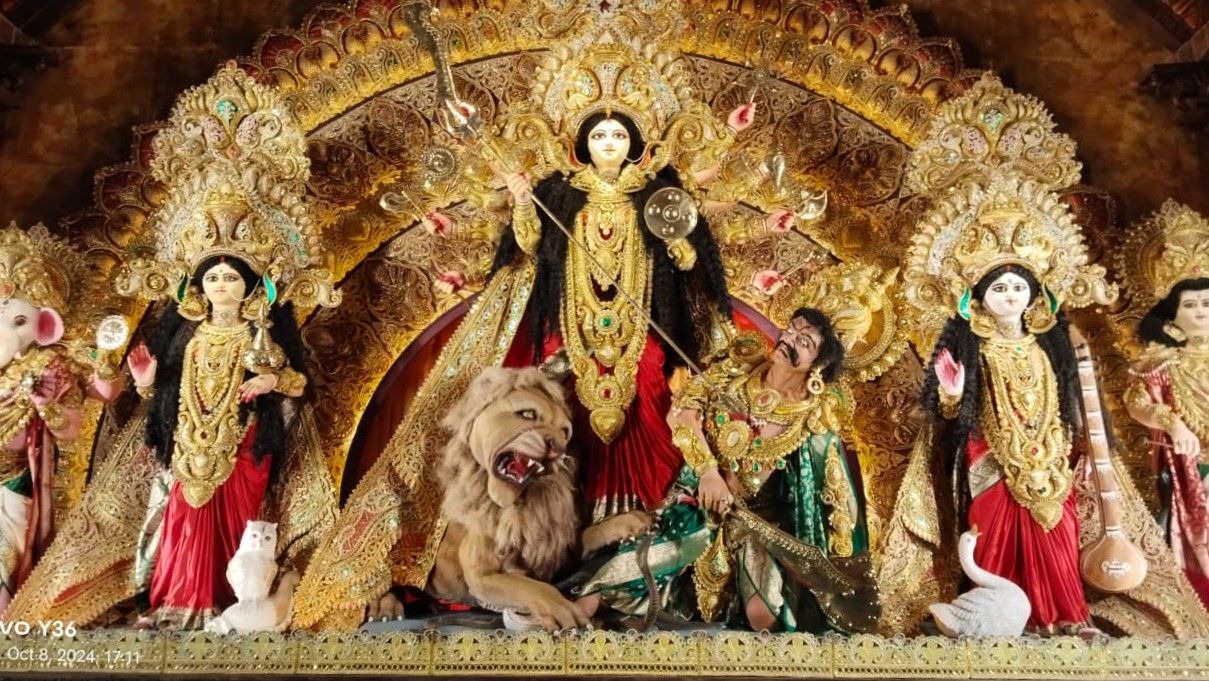
The first time I truly understood the spirit of Kolkata was during Durga Puja. The entire city transforms into an open-air art gallery. Pandals designed like palaces, spaceships, or ancient temples rise overnight. The smell of incense, the sound of dhaks (drums), and the joy on people’s faces during the five days of puja can’t be described—it has to be lived.
Cultural Capital of India
Kolkata is often referred to as the “Cultural Capital of India.” And rightly so. It is the land of Rabindranath Tagore, Satyajit Ray, Swami Vivekananda, and Mother Teresa. Literature, theatre, music, dance, and cinema have always thrived here.
Bookstores like College Street’s Boi Para are not just shops; they are cultural institutions. Rabindra Sangeet plays from radios in trams and rickshaws. Theatre groups rehearse in community halls and perform in auditoriums filled with passionate audiences. The city breathes art.
Kolkata International Film Festival, Dover Lane Music Conference, and the Kolkata Book Fair are some of the many events that celebrate this spirit. In fact, every Bengali household has at least one poet, singer, or painter—amateur or professional!
Education and Intellect
Kolkata is known for its deep intellectual roots. Institutions like Presidency University, Jadavpur University, Calcutta University, and the Indian Statistical Institute have shaped the minds of generations. The city has always respected knowledge over wealth, intellect over influence.
The coffee houses of College Street are legendary for heated discussions on politics, philosophy, cricket, and poetry. The adda (casual conversations) culture is intrinsic to the Bengali identity. These conversations are not idle chatter—they are passionate, persuasive debates that often continue for hours.
Food – A Gastronomic Wonderland
If there is one thing that binds all Kolkatans together, it is their love for food. From the iconic rosogolla to spicy phuchkas, from steaming mutton biryani at Arsalan to kathi rolls at Nizam’s, the city offers a feast for every palate.
Street food is an essential part of the city’s culture. A stroll down Park Street, Gariahat, or Hatibagan offers delicacies that are both cheap and delicious. Kolkata’s Chinese community has gifted us with the famous Tangra-style Indo-Chinese cuisine—a unique blend of flavours found nowhere else in India.
Food here is not just for sustenance. It’s a celebration. A Bengali meal is an elaborate affair, often ending with multiple desserts. And during festivals, especially Durga Puja, every home turns into a mini-restaurant, with family recipes passed down generations.
People – The Soul of the City
Kolkata’s biggest asset is its people. Warm, welcoming, argumentative, affectionate, and fiercely proud of their city. There is a deep sense of community here. Whether it’s helping a stranger with directions or participating in a neighbourhood puja, Kolkatans are always involved and emotionally invested.
The city is also inclusive. It celebrates diversity—be it religion, language, or lifestyle. Hindu, Muslim, Christian, and Sikh festivals are celebrated with equal fervour. Christmas at Park Street, Eid at Zakaria Street, and Kali Puja in South Kolkata draw people from all backgrounds.
A City of Contrasts
Despite its cultural richness, Kolkata is not without its problems. Potholes, traffic jams, power cuts, and political protests are part of daily life. Unemployment remains a challenge, and many young people migrate to other cities for better job prospects.
Yet, there’s a strange resilience in Kolkata. People adapt. They protest, they argue, but they don’t give up on their city. In fact, it is this contrast between struggle and satisfaction that makes Kolkata so unique. The slow pace of life may frustrate some, but for many, it is what gives the city its charm.
Kolkata’s Public Life
Life in Kolkata is largely lived in public. Parks like Rabindra Sarobar and Maidan are popular meeting places. Lakes, roadside tea stalls, footpaths, and even trams serve as venues for gossip and gathering. Trams, by the way, still run here, making Kolkata the only Indian city where they do.
Public transport, despite its flaws, is extensive. The Metro, buses, trams, auto-rickshaws, and ferries connect the vast sprawl of the city. The recent expansion of the Metro network is helping reduce congestion and improve connectivity.
Sports and Passion
Kolkata’s passion for sports, especially football and cricket, is legendary. The city is home to two iconic football clubs—East Bengal and Mohun Bagan—and the rivalry between them is nothing short of war for fans. Salt Lake Stadium has witnessed countless memorable matches.
Cricket too has a devoted following. Eden Gardens, often called the “Mecca of Indian cricket,” is a pilgrimage site for every cricket lover. The roars of 60,000 fans during an India-Pakistan match are unforgettable.
Chess, table tennis, and athletics also have a strong base here. The city has produced many national-level players across disciplines.
Festivals – The City That Celebrates
If there’s one thing Kolkata excels at, it is celebrating. The Kolkata Durga Puja is the crown jewel, but the city doesn’t stop there. From Saraswati Puja (the "Bengali Valentine’s Day") to Diwali, from Eid to Christmas, every festival is embraced with joy.
Even political rallies here feel like festivals—with slogans, songs, and slogans echoing through the air. The people of Kolkata know how to make noise, and more importantly, how to make that noise meaningful.
https://www.visitsunderbans.com/durga-puja-packages.html
Changing Kolkata – Modern Yet Rooted
Over the years, Kolkata has changed. New flyovers, malls, office parks, and IT hubs have sprung up. Salt Lake Sector V and New Town have emerged as IT destinations. International brands are making their presence felt, and a younger, more global crowd is emerging.
Yet, Kolkata has managed to preserve its soul. Modern cafes exist beside age-old coffee houses. Startups and coding bootcamps thrive next to book fairs and poetry readings. This balance between the new and the nostalgic is what makes the city special.
The Future Ahead
The future of Kolkata depends on how it manages to modernise without losing its identity. Infrastructure development, improved governance, job creation, and environmental preservation are key challenges. But given the resilience and creativity of its people, I am hopeful.
Kolkata needs to promote its tourism potential better. The rich colonial history, literary legacy, and cultural diversity make it a global treasure. Sustainable development and inclusive growth should be the way forward.
Kolkata in My Heart
To an outsider, Kolkata might look chaotic, slow, or even old-fashioned. But for those who have lived here, it is home. A home that teaches you to think, to feel, to protest, and to celebrate. It may not offer the glitz of Mumbai or the pace of Delhi, but it offers depth, warmth, and authenticity.
As I walk through the rain-washed streets of North Kolkata, or sip tea at a roadside stall in Gariahat, I feel a quiet pride. This city has given me memories, values, identity, and a way of life. Kolkata is not perfect—but then, what home ever is?
Conclusion
Kolkata is not just a city I live in—it is a city I belong to. Its imperfections are part of its charm. Its contradictions are part of its character. As the poet Jibanananda Das once wrote, “Kolkata does not let go easily.” And indeed, it hasn’t let go of me.
Appreciate the creator