Keloid Treatment: What Everyone Should Know
Keloid Treatment is an important consideration for individuals who develop raised, thickened scars that continue growing beyond the boundaries of an original wound. Understanding the causes, symptoms, and available treatment approaches can help people make informed decisions about their skin health. Keloid Treatment in Dubai has gained increasing attention due to growing awareness of advanced dermatological procedures and personalized treatment options available in the region. For individuals seeking professional guidance, facilities such as Dynamic Clinic in Dubai have contributed to raising awareness about modern scar management approaches.
Understanding What a Keloid Is
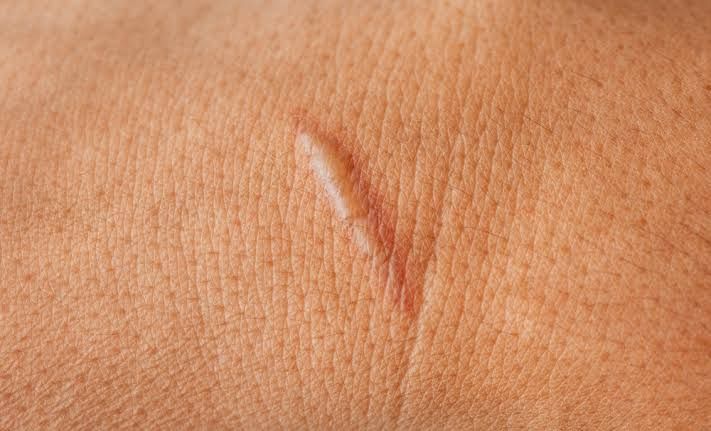
A keloid is a type of scar that forms when the body's healing process produces excessive collagen after skin injury. Unlike regular scars, keloids extend beyond the original wound site and may continue growing over time. They can develop after:
Surgical procedures
Acne breakouts
Ear piercings
Burns
Cuts and injuries
Vaccination sites
Insect bites
Keloids may appear pink, red, brown, or darker than the surrounding skin, depending on an individual's skin tone. They often feel firm, raised, and sometimes itchy or uncomfortable.
Why Do Keloids Develop?
The exact cause of keloid formation remains unclear, but researchers believe genetics and abnormal wound-healing responses play significant roles. Certain individuals are more likely to develop keloids due to inherited tendencies.
Several factors may increase the likelihood of keloid formation:
Family history of keloids
Darker skin tones
Younger age groups
Hormonal changes
Repeated skin trauma
Delayed wound healing
Not every injury leads to a keloid, which is why identifying personal risk factors is an important part of prevention and treatment planning.
Common Areas Where Keloids Appear
Keloids can develop anywhere on the body, but some areas are more susceptible due to increased skin tension and healing patterns.
The most commonly affected areas include:
Chest
Shoulders
Upper back
Earlobes
Jawline
Neck
The size and appearance of keloids vary significantly from person to person, with some remaining small while others become more prominent over time.
Signs That a Scar May Become a Keloid
Recognizing early symptoms can help individuals seek timely medical evaluation. Keloids usually develop gradually over weeks or months after skin injury.
Common signs include:
Persistent scar enlargement
Raised or thickened tissue
Redness or dark discoloration
Itching or irritation
Tenderness or discomfort
Smooth, shiny skin texture
Early intervention may help improve treatment outcomes and reduce further growth.
Modern Approaches to Keloid Treatment
There is no universal treatment that works for every keloid. Dermatology specialists often recommend individualized treatment plans based on the size, location, and severity of the scar.
Corticosteroid Injections
Steroid injections remain one of the most frequently used approaches for reducing inflammation and slowing excessive collagen production. Multiple treatment sessions may be recommended to achieve gradual improvement.
Laser Therapy
Laser-based treatments can help reduce redness, improve texture, and minimize the appearance of keloid scars. Different laser technologies may be selected depending on the characteristics of the scar.
Cryotherapy
Cryotherapy involves controlled freezing of the scar tissue. This method is often considered for smaller keloids and may be combined with other treatments for enhanced results.
Surgical Removal
Surgical excision may be recommended for larger or resistant keloids. Because surgery alone can sometimes trigger recurrence, additional therapies are often used alongside surgical treatment.
Silicone-Based Therapy
Silicone sheets and gels are widely used to improve scar appearance and help manage ongoing scar formation. Consistent use is often necessary for optimal results.
Can Keloids Return After Treatment?
Recurrence remains one of the biggest challenges in keloid management. Some keloids may return after treatment, particularly if preventive strategies are not followed.
To reduce recurrence risks, specialists may recommend:
Combination therapies
Regular follow-up appointments
Proper wound care practices
Avoiding unnecessary skin trauma
Early treatment of new scar formation
A personalized treatment strategy often provides better long-term outcomes than relying on a single approach.
Preventing Keloid Formation
Although keloids cannot always be prevented, certain precautions may help reduce the risk in susceptible individuals.
Preventive measures include:
Avoiding unnecessary piercings or cosmetic procedures
Treating acne promptly
Protecting wounds during healing
Following post-surgical care instructions carefully
Using physician-recommended scar management products
Individuals with a history of keloids should inform healthcare providers before undergoing any elective skin procedures.
Frequently Asked Questions
Is keloid treatment permanent?
Treatment can significantly improve the appearance and symptoms of keloids, but some cases may require ongoing monitoring because recurrence is possible.
Are keloids dangerous?
Keloids are generally benign and non-cancerous. However, they can cause physical discomfort, cosmetic concerns, and emotional distress.
Who is more likely to develop keloids?
People with a family history of keloids, darker skin tones, and previous abnormal scar formation may have a higher risk.
When should someone seek treatment for a keloid?
Medical evaluation is recommended when a scar continues to grow, becomes painful, causes itching, or affects appearance and daily comfort.
Conclusion
Keloid treatment requires an individualized approach that considers the patient's skin type, scar characteristics, and risk factors. Understanding how keloids develop, recognizing early symptoms, and exploring evidence-based treatment options can help individuals make informed decisions and achieve better scar management outcomes.
Appreciate the creator