Kedarkantha Trek from Mumbai: Distance, Route, Cost, Travel Time & Complete Guide
Travelling to Kedarkantha (https://kedarkanthatrek.in/) from Mumbai takes more planning than travelling from Delhi, but the journey is straightforward if you break it into two parts. The easiest route is Mumbai → Dehradun → Sankri → Kedarkantha. Dehradun is the main transport hub, while Sankri is the base village where the actual trek begins.
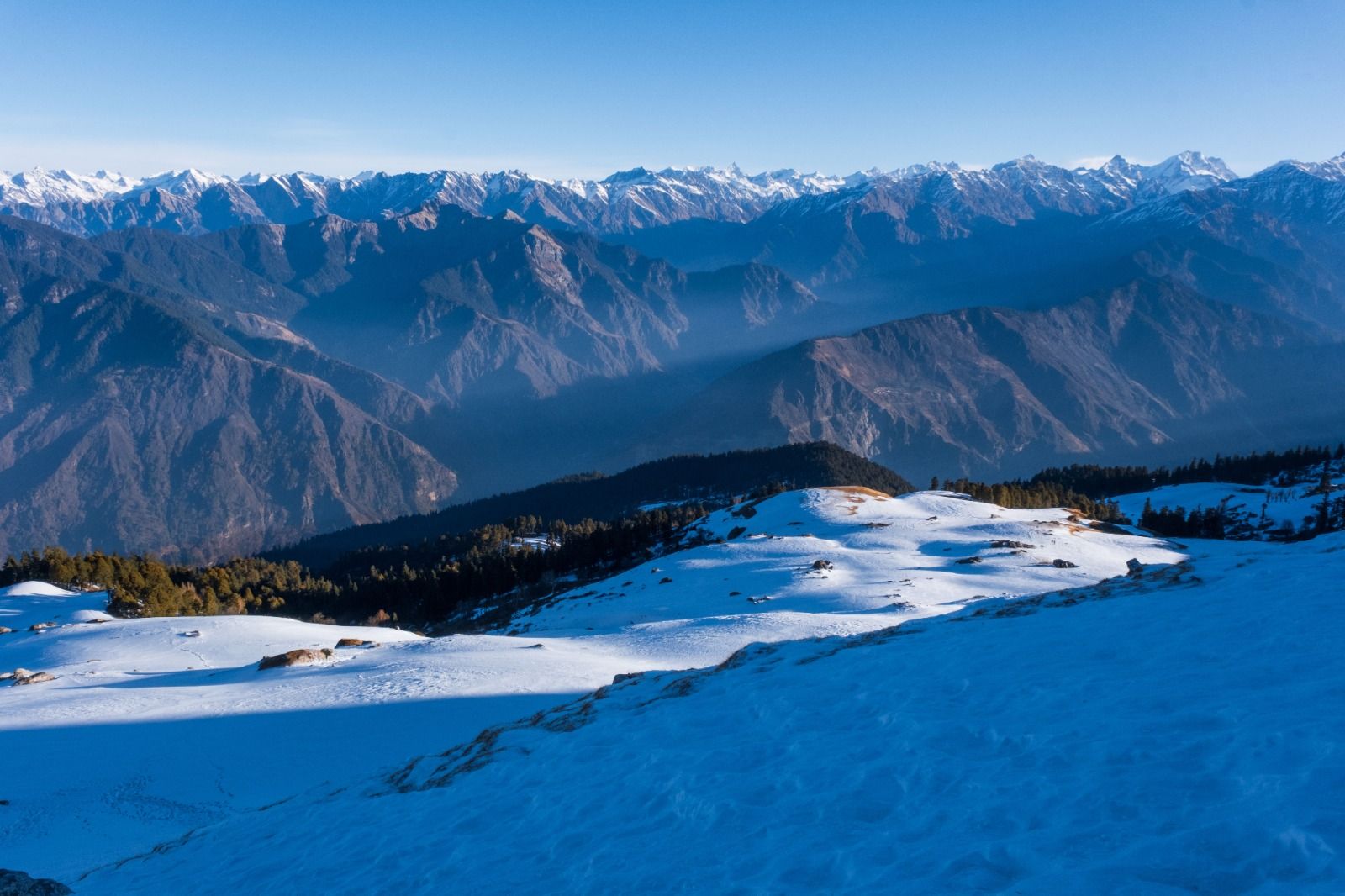
Kedarkantha is one of Uttarakhand's most popular winter treks. The trail climbs from Sankri through forests and snowy campsites before reaching the summit at around 12,500 ft. The trekking section is generally around 20 km, although the exact distance depends on the route and campsites used.
Mumbai to Kedarkantha Distance
There is no single road distance that works for every traveller because most people do not drive all the way from Mumbai to Sankri.
The practical journey is divided into two sections. First, you travel from Mumbai to Dehradun by flight or train. From Dehradun, you travel by road to Sankri, which is roughly 190–200 km away.
Once you reach Sankri, the trekking route begins.
For most Mumbai travellers, flying to Dehradun is the quickest option. Travelling entirely by train is cheaper in some cases but takes considerably longer.
Mumbai to Dehradun by Flight
Flying is usually the most convenient option for Mumbai residents who have limited leave.
You can fly from Mumbai to Dehradun and then continue towards Sankri by road. Depending on your flight schedule, you may reach Dehradun on the same day and stay overnight before beginning the mountain journey.
The main advantage is time.
The disadvantage is that flights can cost more during weekends, holidays and peak trekking periods.
If you are travelling during the popular winter season, booking your flight early can help you avoid paying much higher last-minute fares.
Mumbai to Dehradun by Train
Train travel is another option for budget-conscious travellers.
The journey from Mumbai to Dehradun is much longer than flying, but it can make sense if you have enough leave and want to reduce your travel costs.
An overnight train can also save the cost of one hotel night, depending on the schedule.
However, check your arrival time carefully. You need enough time between reaching Dehradun and your onward journey to Sankri.
A train delay should not make you miss your trek departure.
Dehradun to Sankri
Once you reach Dehradun, the next stage is the mountain road journey.
Dehradun to Sankri is around 190–200 km, but the journey can take about 9–10 hours depending on traffic, road conditions and weather.
The route gradually moves into the mountains and includes winding roads.
During winter, snow and bad weather can increase the travel time.
If your trek package includes transport from Dehradun to Sankri, follow the operator's pickup instructions carefully.
Why Should You Stay in Dehradun?
If your flight or train reaches Dehradun late in the day, staying overnight is usually more comfortable than immediately trying to continue towards Sankri.
It also gives you a buffer if your journey from Mumbai is delayed.
You can use the evening to organise your backpack, buy any last-minute essentials and get some rest before the long road journey.
For a first-time Himalayan trekker, arriving relaxed is much better than reaching Sankri exhausted.
Mumbai to Kedarkantha Travel Route
The simplest travel plan is:
Mumbai → Dehradun → Sankri → Juda Ka Talab → Kedarkantha Base Camp → Kedarkantha Summit
After reaching Sankri, the trekking route normally passes through Juda Ka Talab and the higher camps before the summit attempt.
The summit is around 12,500 ft, so the trekking part should not be rushed.
How Many Days Do You Need from Mumbai?
If you are flying from Mumbai, keeping around 7–8 days for the complete trip is a sensible approach.
This allows time for the Mumbai–Dehradun journey, the road trip to Sankri, the trek itself and the return journey.
A shorter plan is possible with tight connections, but it leaves very little room for delays.
Mountain travel does not always follow your timetable.
If a road is delayed or a flight is cancelled, a little extra time can save the entire trip.
A Comfortable Mumbai Itinerary
A practical plan can look like this.
Day 1: Mumbai to Dehradun by flight and overnight stay.
Day 2: Dehradun to Sankri by road.
Day 3: Sankri to Juda Ka Talab.
Day 4: Juda Ka Talab to Kedarkantha Base Camp.
Day 5: Base Camp to Kedarkantha Summit and descent.
Day 6: Return towards Sankri and Dehradun.
Day 7: Dehradun to Mumbai.
The exact trekking schedule can differ between operators. Some itineraries use different campsites or combine travel and trekking days.
Mumbai to Kedarkantha Cost
Your total cost depends heavily on how you travel between Mumbai and Dehradun.
Flights can make the trip more expensive, while trains can reduce the transport budget.
You also need to consider the trek package, Dehradun–Sankri transport, food outside the package, accommodation, trekking equipment and personal expenses.
A trek package may start around ₹7,500 with some operators, but this should not be treated as the complete Mumbai-to-Kedarkantha trip cost.
Calculate the whole journey before booking.
What Should You Carry from Mumbai?
You do not need to carry every item from Mumbai.
If you already own suitable winter clothing, trekking shoes and basic equipment, bring them with you.
If you do not have proper winter gear, check whether your trek operator provides or rents items such as sleeping bags, trekking poles or other equipment.
Your personal essentials should include warm layers, trekking shoes, gloves, socks, a cap, sunglasses, sunscreen, a headlamp, personal medicines and identification documents.
Keep important items in your cabin or day luggage when flying rather than putting everything in checked baggage.
Do Mumbai Travellers Need Special Fitness Preparation?
The long journey from Mumbai to the Himalayas does not change the fitness requirements of the trek.
You should prepare for several hours of uphill walking, cold weather and an altitude of around 12,500 ft.
Start training at least several weeks before your trip.
Regular walking, jogging, stair climbing and basic leg exercises can help. If possible, include longer weekend walks in your training.
You do not need to become a professional athlete.
You simply need enough endurance to keep walking when the trail becomes steep and snowy.
When Should You Travel from Mumbai?
If your main goal is snow, winter is the obvious choice.
December through March is generally the popular winter period, while January and February are often preferred by trekkers looking for stronger snow conditions.
However, snowfall changes from year to year.
Do not book your trip based only on photographs from previous seasons. Check recent snowfall and trail conditions before leaving Mumbai.
Winter Travel Tips
Winter requires extra planning because the final road journey and trekking trail can be affected by snow.
Keep a flexible schedule, especially on your return.
Do not book a flight from Dehradun with only a few hours of buffer after returning from Sankri. A delayed mountain road journey could cause you to miss it.
Keep some extra money for unexpected accommodation or transport.
Most importantly, check weather conditions before leaving.
Should You Choose Flight or Train?
If your priority is saving time, choose a flight to Dehradun.
If your priority is saving money and you have more time, a train can work.
For most working professionals travelling from Mumbai for a short trek, flying is more practical because the actual trek already requires several days.
However, compare current fares before booking. A cheaper flight on a different date can sometimes make the decision easier.
Final Verdict
The easiest way to travel from Mumbai to Kedarkantha is Mumbai → Dehradun → Sankri.
Fly or take a train to Dehradun, continue by road to Sankri and then begin the trek. Keep enough buffer time between each stage, especially during winter.
The journey from Mumbai is long, but the reward is a Himalayan trek through forests and snow followed by a summit climb to around 12,500 ft.
Plan your transport first, prepare your fitness several weeks in advance and do not try to squeeze the entire trip into an overly tight schedule. A relaxed journey gives you a much better chance of enjoying Kedarkantha from the first kilometre to the summit.
Appreciate the creator