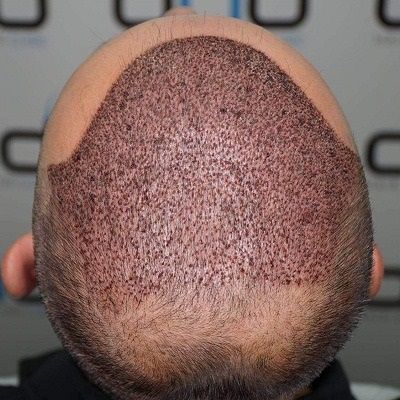
Is hair transplant a permanent solution for hair loss?
Hair loss is a common concern that affects both men and women worldwide. It can stem from various causes including genetics, hormonal changes, medical conditions, and environmental factors. As the issue continues to grow, so does the demand for effective and lasting solutions. One of the most frequently asked questions by individuals considering restoration options is: Is a hair transplant a permanent solution for hair loss? Understanding the nature of this procedure, how it works, and what results can realistically be expected is essential for anyone seeking a long-term remedy.
If you're exploring advanced and proven options like a Hair transplant in Islamabad, it’s important to know how this procedure addresses hair loss and what permanence really means in this context.
Understanding How Hair Transplant Works
A hair transplant is a surgical technique that involves removing hair follicles from a donor site—typically the back or sides of the scalp, where hair is genetically resistant to balding—and transplanting them to areas experiencing hair thinning or baldness. The most commonly used methods are:
FUE (Follicular Unit Extraction): Individual follicles are extracted and transplanted.
FUT (Follicular Unit Transplantation): A strip of skin containing hair follicles is removed, dissected into units, and implanted into the recipient area.
DHI (Direct Hair Implantation): A more precise method where follicles are implanted directly using a specialized tool.
In each of these methods, the core principle is the same: using your own hair to cover thinning or bald areas in a natural, undetectable manner.
Is the Transplanted Hair Permanent?
The short answer is yes, hair transplants offer a permanent solution—but with important qualifications. The permanence of results depends on several factors, primarily the source of the transplanted hair. Hair taken from the back and sides of the scalp typically retains its characteristics because these areas are usually not affected by dihydrotestosterone (DHT), the hormone responsible for pattern baldness. This means once these follicles are transplanted, they continue to grow as they would have in their original location.
However, it’s crucial to note that while the transplanted hair is generally permanent, this doesn’t mean that a person is immune to further hair loss in non-transplanted areas. Patients may continue to lose hair in other regions of the scalp, which can affect the overall density and appearance over time. This possibility often leads to the need for future maintenance or follow-up procedures to maintain aesthetic balance.
How Long Do Results Last?
In most cases, the transplanted hair begins to grow naturally after the shedding phase, which typically occurs 2–4 weeks post-procedure. Substantial growth is visible within 6 months, with full results generally apparent after 12–18 months. These results, once established, are intended to last a lifetime, especially if the patient maintains good scalp health and follows post-operative care guidelines.
That said, aging, hormonal changes, and genetic predisposition can still lead to thinning in areas not covered by the transplant. This is why long-term planning and consultation with experienced surgeons are essential parts of the process.
What Factors Can Influence Longevity?
While the transplant itself is designed to be permanent, several external and internal factors can influence the outcome and durability:
Age: Younger patients may still be in the early stages of hair loss and could experience continued thinning outside of the transplant area.
Type of Hair Loss: Patients with pattern baldness are ideal candidates. Those with diffuse thinning or alopecia areata may not see long-lasting results.
Surgeon’s Skill: The expertise of the performing surgeon plays a significant role in ensuring that the grafts are placed correctly for maximum survival.
Post-Operative Care: Following post-transplant care instructions, avoiding smoking, and managing stress contribute to the longevity of the transplanted hair.
Health and Nutrition: Overall wellness, including a healthy diet rich in vitamins and proteins, supports strong hair growth.
Is a Second Transplant Ever Needed?
While the transplanted hair follicles are permanent, the progression of hair loss in untreated areas may create the need for additional sessions. In such cases, a second or even third hair transplant may be recommended to maintain a natural, dense appearance.
Secondary sessions are not due to the failure of the initial transplant but are part of a long-term hair restoration strategy tailored to individual hair loss progression. Periodic evaluations help monitor changes and determine if future treatments are required.
Alternatives and Complementary Treatments
Though hair transplants are the most effective permanent solution, some individuals may benefit from non-surgical alternatives either alone or in combination. These include:
PRP (Platelet-Rich Plasma) Therapy: Enhances healing and stimulates dormant follicles.
Medications: Finasteride and minoxidil can slow further hair loss and support transplant success.
Low-Level Laser Therapy (LLLT): Encourages hair regrowth by stimulating scalp circulation.
Such treatments can optimize the outcome of a transplant and extend the lifespan of native, non-transplanted hair.
Realistic Expectations Matter
One of the most important aspects of evaluating whether a hair transplant is a permanent solution is managing expectations. While the transplanted hair will not fall out due to male or female pattern baldness, it doesn’t mean your entire scalp will be immune to future hair loss. Open communication with a qualified surgeon, realistic goals, and a customized treatment plan are key to achieving long-term satisfaction.
Appreciate the creator