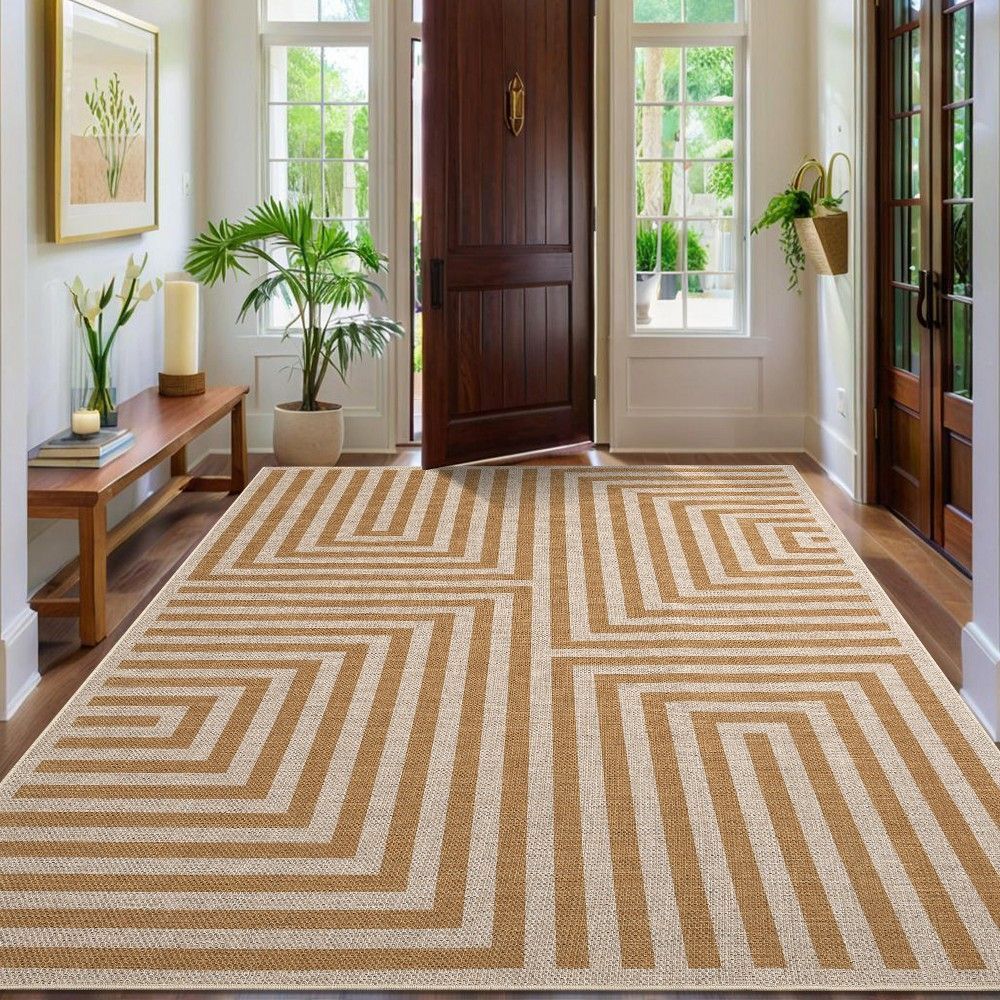
Is a Sisal Carpet Right for High-Traffic Areas? Everything You Need to Know
When choosing flooring for busy spaces, durability becomes one of the most important factors. Hallways, living rooms, stairs, offices, and entryways experience constant foot traffic, making it essential to select a carpet that can withstand daily wear and tear while still looking stylish. Among the many natural flooring options available today, sisal carpets have become increasingly popular for their strength, texture, and eco-friendly appeal.
But is a sisal carpet really the right choice for high-traffic areas? The answer depends on your lifestyle, maintenance expectations, and interior design preferences. In this guide, we’ll explore everything you need to know about sisal carpets, including their advantages, disadvantages, maintenance requirements, and whether they are suitable for heavily used spaces.
What Is a Sisal Carpet?
Sisal carpet is made from the fibers of the agave sisalana plant, a natural plant species mainly grown in Brazil, Africa, and parts of Central America. These fibers are extracted, dried, and woven into durable rugs and carpets known for their coarse texture and earthy appearance.
Unlike synthetic carpets, sisal is completely natural and biodegradable, making it a favorite choice among homeowners who prefer sustainable and environmentally friendly materials.
Sisal carpets are available in various patterns, weaves, and shades, ranging from soft beige tones to darker natural hues. Their neutral appearance easily complements modern, rustic, coastal, and minimalist interiors.
Why Sisal Carpets Are Popular for High-Traffic Areas
One of the biggest reasons people choose sisal carpets is their exceptional durability. The natural fibers are incredibly strong and resistant to everyday wear, making them suitable for spaces with constant movement.
1. Exceptional Durability
Sisal fibers are among the strongest natural fibers used in flooring. They can handle heavy foot traffic without flattening quickly, unlike some softer carpet materials.
This makes sisal ideal for:
Hallways
Entryways
Living rooms
Office spaces
Staircases
Dining areas
In homes with children or frequent guests, sisal carpets can maintain their structure and appearance for many years when properly maintained.
2. Natural and Stylish Appearance
Sisal carpets offer a sophisticated organic look that works beautifully in contemporary interiors. Their textured finish adds warmth and depth to a room without overwhelming the décor.
Because sisal is available in many weave styles, homeowners can choose from subtle patterns or bold textured designs depending on their aesthetic goals.
3. Eco-Friendly Flooring Option
As sustainability becomes increasingly important, sisal carpets stand out as an environmentally responsible choice. Sisal is:
Renewable
Biodegradable
Free from harmful chemicals
Naturally sourced
Unlike synthetic carpets made from petroleum-based materials, sisal has a smaller environmental footprint.
4. Low Static and Allergen-Friendly
Sisal carpets do not trap dust and allergens as heavily as thick synthetic carpets. This makes them a better option for people with allergies or sensitivities.
Additionally, sisal produces very little static electricity, improving comfort in dry indoor environments.
The Challenges of Using Sisal in Busy Areas
Although sisal carpets offer many advantages, they are not perfect for every situation. Before installing sisal in high-traffic areas, it’s important to understand their limitations as well.
1. Sensitivity to Moisture
One of the biggest disadvantages of sisal is that it absorbs moisture easily. Excessive water exposure can cause staining, warping, or weakening of the fibers.
Because of this, sisal carpets are generally not recommended for:
Bathrooms
Kitchens
Basements with humidity issues
Outdoor uncovered spaces
If installed in entryways, homeowners should ensure the area remains dry and clean.
2. Rough Texture
Unlike plush carpets, sisal has a naturally coarse feel. While some people appreciate its texture, others may find it uncomfortable under bare feet.
For spaces where comfort is a priority, such as bedrooms or family lounges, softer carpet materials may be preferred.
3. Stain Susceptibility
Sisal fibers can absorb spills quickly, making stain removal more difficult if not addressed immediately.
Liquids like:
Coffee
Wine
Juice
Pet accidents
can leave permanent marks if cleaning is delayed.
This means sisal carpets require quick action and regular maintenance to stay looking fresh.
How Durable Is Sisal Compared to Other Carpets?
When compared to synthetic carpets or wool rugs, sisal performs extremely well in terms of structural strength.
Here’s a simple comparison:
Carpet TypeDurabilitySoftnessMoisture ResistanceSisalVery HighLowLowWoolModerateHighModerateNylonHighModerateHighPolyesterModerateSoftHigh
Sisal’s main advantage lies in its ability to maintain its shape and texture over time, even in busy environments.
Best Places to Use Sisal Carpets
If you’re considering sisal flooring, choosing the right location is essential for maximizing its lifespan.
Ideal Areas
Sisal works best in:
Hallways
Home offices
Living rooms
Stair runners
Reception areas
Dining rooms
These spaces benefit from sisal’s strength and elegant texture.
Areas to Avoid
Avoid using sisal in places prone to moisture or spills, including:
Bathrooms
Kitchens
Laundry rooms
Damp basements
Using protective mats near entrances can also help reduce moisture exposure.
Tips for Maintaining Sisal Carpets
Proper maintenance plays a major role in extending the life of a sisal carpets, especially in high-traffic areas.
Vacuum Regularly
Frequent vacuuming helps remove dirt and debris trapped between the fibers. Dirt buildup can wear down the carpet over time, so cleaning once or twice a week is recommended.
Clean Spills Immediately
Since sisal absorbs liquid quickly, blot spills immediately using a dry cloth or paper towel. Avoid rubbing the stain, as this may spread moisture deeper into the fibers.
Use Dry Cleaning Methods
Excess water can damage sisal, so dry carpet cleaning methods are preferred. Specialized sisal cleaning powders or low-moisture cleaning systems work best.
Rotate Rugs Periodically
If you’re using a sisal area rug, rotating it occasionally helps distribute wear evenly and prevents one section from fading or flattening faster.
Is Sisal Good for Homes With Pets and Kids?
Sisal can work well in homes with children because of its durability, but pet owners should consider a few factors carefully.
Cats may scratch sisal fibers, while pet accidents can cause staining and odor problems if not cleaned immediately.
For busy family homes, using sisal in moderate-traffic spaces rather than messy play areas may be a more practical choice.
Cost of Sisal Carpets
Sisal carpets are generally considered a premium natural flooring option. Prices vary depending on weave quality, customization, and installation.
Although they may cost more upfront than some synthetic carpets, their durability and timeless style often make them a worthwhile long-term investment.
Final Verdict: Is Sisal Carpet Right for High-Traffic Areas?
Yes, sisal carpets can be an excellent choice for high-traffic areas if you value durability, natural beauty, and eco-friendly materials. Their strong fibers hold up remarkably well under constant use, making them ideal for hallways, living rooms, offices, and staircases.
Appreciate the creator