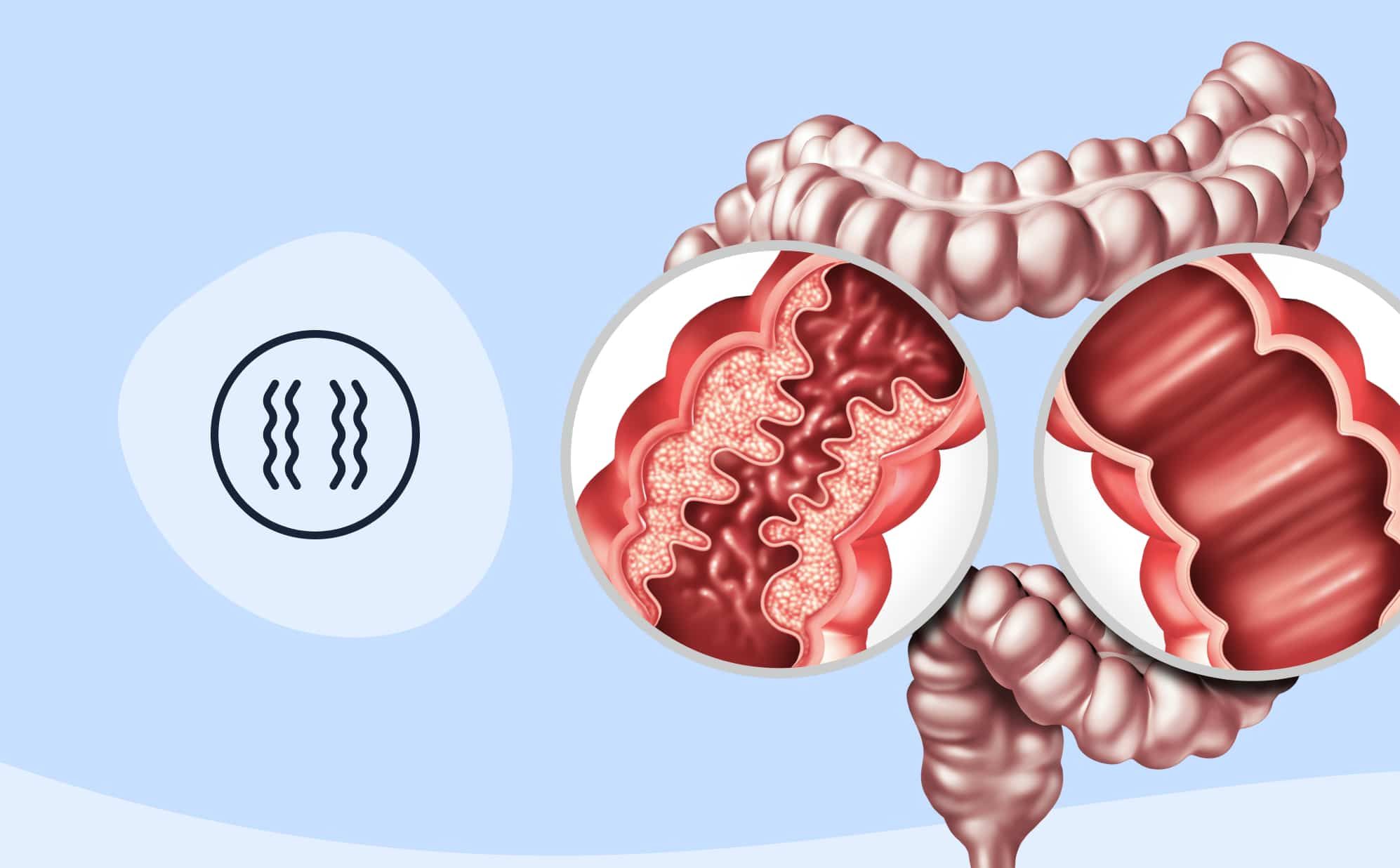
Irritable Bowel Syndrome: Symptoms, Triggers, and Management
Irritable Bowel Syndrome (IBS) is a common digestive disorder that affects the large intestine and can significantly impact daily life. Symptoms often include abdominal discomfort, bloating, and changes in bowel habits. Early consultation with a trusted digestive health specialist can help manage symptoms effectively and improve long-term gut health.
Although IBS is not life-threatening, it can be chronic and require ongoing lifestyle adjustments, dietary changes, and medical guidance.
What is Irritable Bowel Syndrome?
IBS is a functional gastrointestinal disorder, meaning the digestive system appears normal but does not function properly. It is often triggered by stress, diet, hormonal changes, or gut sensitivity.
IBS is different from serious conditions like inflammatory bowel disease (IBD) treatment, which involves inflammation and structural damage in the intestines.
Common Symptoms of IBS
IBS symptoms vary from person to person but commonly include:
Abdominal pain or cramping
Bloating and gas
Diarrhea or constipation (or both)
Mucus in stool
Urgency to pass stool
Feeling of incomplete bowel movement
If these symptoms persist, it is important to consult a gastroenterologist near me for proper diagnosis and treatment.
What Triggers IBS Symptoms?
IBS triggers can vary widely, and identifying them is key to managing the condition.
Common triggers include:
Stress and anxiety
Certain foods (spicy, fatty, or processed foods)
Dairy products in some individuals
Caffeine and alcohol
Irregular eating habits
Hormonal changes
Keeping a food and symptom diary can help identify personal triggers and improve symptom control.
How IBS is Diagnosed
Doctors usually diagnose IBS based on symptoms, medical history, and exclusion of other conditions.
In some cases, tests may be recommended such as:
Blood tests
Stool tests
Ultrasound
Colonoscopy or endoscopy in Bangalore
These tests help rule out other digestive disorders and confirm IBS diagnosis.
An experienced GI doctor can guide patients through accurate diagnosis and personalized treatment plans.
Lifestyle Changes for IBS Management
Managing IBS often involves long-term lifestyle adjustments rather than a single treatment.
Helpful strategies include:
Eating smaller, frequent meals
Increasing fiber intake gradually
Staying hydrated
Reducing stress through yoga or meditation
Avoiding trigger foods
Maintaining regular sleep patterns
These changes can significantly reduce the frequency and severity of IBS flare-ups.
Diet Tips for Better Digestive Health
Diet plays a major role in IBS management. A balanced diet helps maintain gut health and reduce discomfort.
Recommended foods:
Oats and whole grains
Bananas and apples
Yogurt (probiotics)
Cooked vegetables
Lean proteins
Foods to avoid:
Fried and greasy foods
Carbonated drinks
Excess caffeine
Artificial sweeteners
If symptoms worsen, consulting a best gastroenterologist in Bangalore can help design a personalized diet and treatment plan.
Medical Treatment Options for IBS
While IBS has no permanent cure, symptoms can be effectively managed with medical support.
Treatment options may include:
Antispasmodic medications
Probiotics
Fiber supplements
Anti-diarrheal or laxatives (as needed)
Stress management therapy
In some cases, underlying acidity or digestive discomfort may require acidity treatment in Bangalore alongside IBS management.
When to See a Doctor
You should seek medical advice if you experience:
Persistent abdominal pain
Blood in stool
Unexplained weight loss
Severe diarrhea or constipation
Symptoms lasting more than a few weeks
Understanding when to see a gastroenterologist is important to rule out serious conditions and receive timely care.
Advanced Diagnostic Care for Digestive Disorders
Modern hospitals offer advanced diagnostic tools to accurately assess digestive health conditions. Procedures like endoscopy, imaging scans, and lab tests help doctors evaluate the condition in detail.
A trusted gastroenterologist near me can recommend appropriate tests based on symptoms and medical history.
Importance of Specialist Care
Digestive disorders like IBS require expert evaluation for long-term management. Consulting a qualified specialist ensures accurate diagnosis and effective treatment.
A reputed experienced GI doctor can provide comprehensive care, including dietary guidance, medication, and lifestyle support tailored to individual needs.
Final Thoughts
Irritable Bowel Syndrome is a manageable condition with the right combination of lifestyle changes, dietary adjustments, and medical support. Early diagnosis and consistent care play a key role in improving quality of life.
If you experience persistent digestive discomfort, consulting a digestive health specialist is essential. Visiting the best gastroenterologist in bangalore or seeking advanced care such as endoscopy ensures accurate diagnosis, effective treatment, and long-term relief from IBS symptoms.
Appreciate the creator