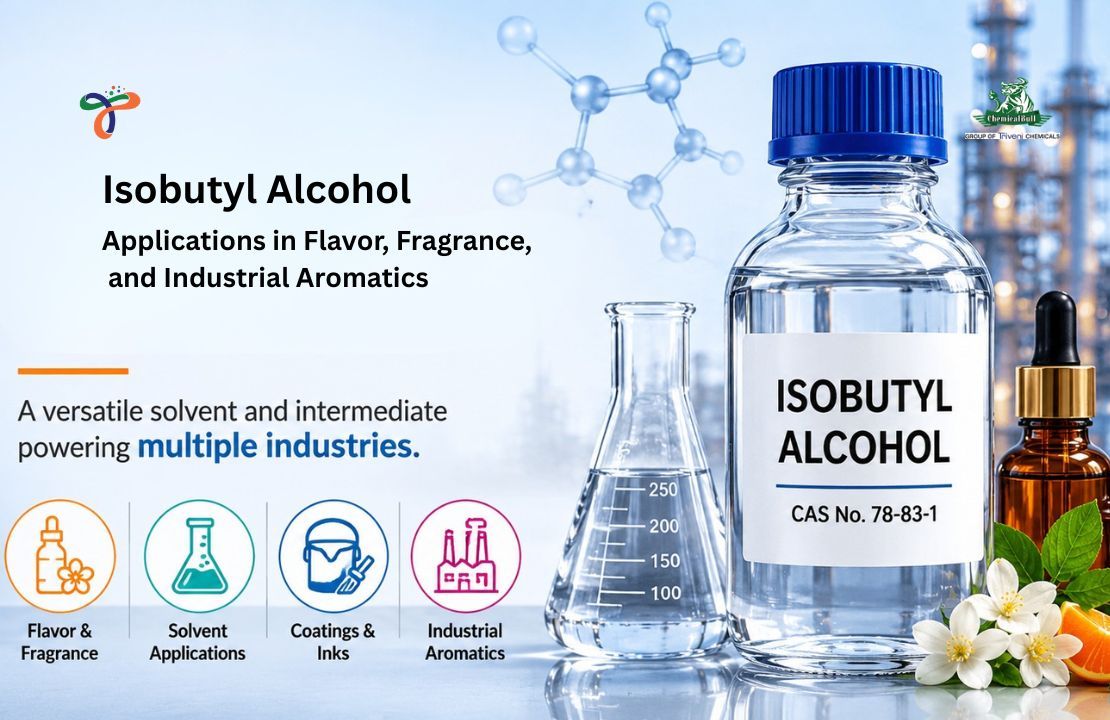
In the modern chemical landscape, the efficiency of your production line is only as strong as the quality of y
In the modern chemical landscape, the efficiency of your production line is only as strong as the quality of your raw materials. Isobutyl Alcohol (CAS 78-83-1), often referred to by industry professionals as isobutanol, is a versatile primary alcohol that serves as a cornerstone for various high-performance applications. Whether you are a formulator in the coatings industry, a specialist in aroma chemistry, or a procurement manager seeking reliable supply chains, understanding the technical value of this branched-chain alcohol is essential for operational excellence.
What is Isobutyl Alcohol?
Isobutyl Alcohol is a clear, colorless, and mobile liquid with the chemical formula $(CH_3)_2CHCH_2OH$. Unlike linear alcohols such as n-butanol, the branched-chain structure of isobutanol confers unique physical properties that differentiate it in the marketplace. With a boiling point of approximately 108$ and a high purity standard of 99.5%, it provides a "sweet spot" in evaporation profiles, making it a critical component for high-quality film formation and consistent chemical reactivity.
Why Industrial Formulators Rely on Isobutanol
The decision to utilize isobutyl alcohol is driven by its exceptional performance-to-cost ratio across various solvent-based systems. Modern manufacturing facilities prioritize high-purity isobutanol for several key operational advantages:
Superior Leveling: In paints and coatings, isobutanol acts as a latent solvent, promoting uniform surface tension and eliminating common defects like "orange peel" or pinholes.
Aroma Stability: Within the flavor and fragrance sector, isobutanol ensures that volatile fruity notes do not degrade, providing a stable foundation for complex scent profiles.
Cost-Efficient Extraction: Its low viscosity and moderate volatility allow for high-efficiency liquid-liquid extraction in pharmaceutical synthesis, which helps reduce cycle times and improve overall throughput.
Predictable Reactivity: As a reliable precursor for esterification, it provides consistent yields, allowing factories to maintain high throughput and minimize batch variation.
Strategic Applications in Industrial Chemistry
The versatility of isobutyl alcohol extends well beyond simple solvency. Its role as a "workhorse" solvent is evident across multiple sectors:
1. Flavors & Fragrances
Isobutanol is a hidden powerhouse in the aroma industry. It acts as the primary building block for synthesizing fruity esters (such as Isobutyl Acetate and Isobutyl Formate). Furthermore, it serves as a "bridging agent" that harmonizes diverse scent molecules, while its specific evaporation profile provides a "lift" to delicate floral notes, improving the longevity and diffusion of perfumes.
2. Paints, Coatings, and Adhesives
As a latent solvent in automotive lacquers and wood finishes, isobutanol prevents blushing even under high-humidity conditions. In the adhesives sector, it is frequently used as a resin viscosity modifier to impart the necessary strength and elasticity to the final product.
3. Pharmaceuticals and Lubricants
Its balanced hydrophilic/hydrophobic nature makes isobutanol an ideal extraction solvent for active pharmaceutical ingredients (APIs). Additionally, in the field of lubricant engineering, it serves as a reactive component in the creation of high-performance anti-wear additives that are essential for machine longevity.
Procurement Excellence: Choosing the Right Partner
For industrial-scale operations, sourcing from verified Isobutyl Alcohol manufacturers is the most effective way to ensure lot-to-lot reproducibility. Whether you are coordinating with Isobutyl Alcohol distributors for localized technical support or utilizing Isobutyl Alcohol wholesalers for large-scale feedstock requirements, reliability is non-negotiable.
A high-quality supply chain should include:
Documentation: Every batch should be accompanied by a technical Certificate of Analysis (COA) to guarantee purity 99.5%).
Compliance: Suppliers must ensure full adherence to REACH and IFRA guidelines for all chemical shipments.
Safety Protocols: Reliable partners provide guidance on handling requirements, such as the use of non-sparking tools and proper PPE in well-ventilated storage areas.
Cross-Sourcing for Efficiency
To streamline broader factory procurement, it is often strategic to cross-source highly compatible compounds alongside your isobutanol orders. Compounds such as n-Propanol (a premium carrier), Butyl Acrylate (for adhesive strength), Ethyl Acetate (a common fruity ester), and Isobutyraldehyde (a precursor for fruity esters) are often sourced from the same expert suppliers to reduce logistics complexity.
Conclusion
In the competitive landscape of chemical manufacturing, selecting the right raw material is a strategic choice for performance. High Purity Isobutyl Alcohol remains a cornerstone of modern efficiency, offering manufacturers a balanced evaporation profile, superior solvency, and reactive versatility. By sourcing from proven industry leaders like Chemical Bull, manufacturers can achieve tighter control over their formulation outcomes, ensuring long-term operational success and high-quality production standards.
Appreciate the creator