Ice Bath Dubai: A Practical Buying Guide for UAE Homes
A buying guide fits the target page naturally. It educates readers on tub types, materials, cooling and UAE heat. It does not repeat the product page, and the link works as a reference for browsing options. I left out the page's unverified claims (percentage hormone increases, "proven" benefits, price comparisons) and kept prices out so the article stays evergreen.
Ice Bath Dubai: A Practical Buying Guide for UAE Homes
Cold water immersion has moved from athletes' locker rooms into Dubai villas and apartment balconies. But shopping for an ice bath in the UAE raises questions that generic guides rarely answer. Will the water stay cold in summer? How much space do you need? Is a portable tub good enough?
This guide explains how ice baths and cold plunges differ, what the UAE climate means for your setup, and which factors are worth comparing before you buy, whether you're in Dubai, Abu Dhabi or elsewhere in the Emirates.
What Is the Difference Between an Ice Bath and a Cold Plunge?
An ice bath is a tub of cold water, traditionally cooled by adding ice. A cold plunge usually refers to a dedicated tub that holds a set temperature, often with a chiller. In everyday use the terms overlap, and you'll also see ice tub, plunge tub and ice plunge used for much the same thing.
The practical difference is convenience. Manual icing suits occasional use. A chilled system suits people who plan to use it several times a week.
Why the UAE Climate Changes the Buying Decision
The main challenge in the UAE is keeping the water cold. In summer, tap water can already be warm, and a tub on a terrace or in a garden picks up heat from the air and sun. A setup that works well in a cooler climate may need constant ice here.
That is why cooling method matters more in the Emirates than almost any other feature. It's also why shade, indoor placement or a good cover can make a noticeable difference to how often you need to top up ice or run a chiller.
How to Choose the Right Ice Bath Tub
Start With Space and Placement
Apartment owners usually do best with portable or inflatable tubs that can be stored away. Villa owners and gyms have room for freestanding barrels or larger tubs that stay in place.
Before ordering, measure the footprint and check delivery access, such as lifts, doorways and stairs. Remember that a filled tub is heavy, since each liter of water weighs about a kilo. Confirm that your floor or balcony can carry the load and that drainage and a power socket are nearby if you plan to use a chiller.
Compare the Materials
Each material has trade-offs:
Stainless steel: durable and easy to clean, with a modern look.
Red cedar and other wood: a warmer, spa-like appearance that suits gardens, though wood generally needs more care.
Acrylic: smooth and comfortable, common in integrated all-in-one units.
Inflatable or portable: the most affordable and easiest to move, but usually less insulated and shorter-lived than rigid tubs.
Decide How You'll Cool the Water
You have two main options. You can add ice manually, or you can connect a chiller that keeps water at a target temperature. Some tubs have a chiller built in, while others pair with a separate unit.
If you choose a chiller, check that its capacity suits the tub volume and local temperatures. Also check the noise level, the electrical requirements and whether it includes filtration. A chiller that struggles in July will frustrate you quickly.
Factor In Running Costs and Upkeep
The purchase price is only part of the cost. Ice bags add up for frequent users, chillers use electricity, and filters need replacing. Water also needs regular changing and sanitizing, and the right schedule depends on how often you use the tub, the filtration and the manufacturer's guidance.
Ask whether replacement filters and spare parts are available locally. A cover keeps debris out and helps hold temperature when the tub isn't in use.
How to Use an Ice Bath Safely
Many beginner guides suggest starting with water around 10–15°C for one to three minutes and building up gradually. Enter slowly, breathe steadily and avoid holding your breath. If you're new to cold water, don't plunge alone, and skip a session if you're unwell or have been drinking alcohol.
People with heart conditions, high blood pressure or circulation problems such as Raynaud's, and anyone who is pregnant, should speak to a doctor first.
It also helps to keep expectations realistic. Some research suggests cold water immersion may reduce perceived muscle soreness after exercise. Evidence for other benefits is less settled, and using cold immersion straight after strength training may blunt muscle-building adaptations. If strength gains are your priority, timing matters.
What to Check Before You Buy an Ice Bath in Dubai or Abu Dhabi
When you start browsing ice baths for sale, compare suppliers on more than price. Look for clear information on capacity, materials, chiller compatibility, delivery and setup terms, warranty and local after-sales support. Some suppliers also offer rental, which can be a low-risk way to try cold immersion before committing.
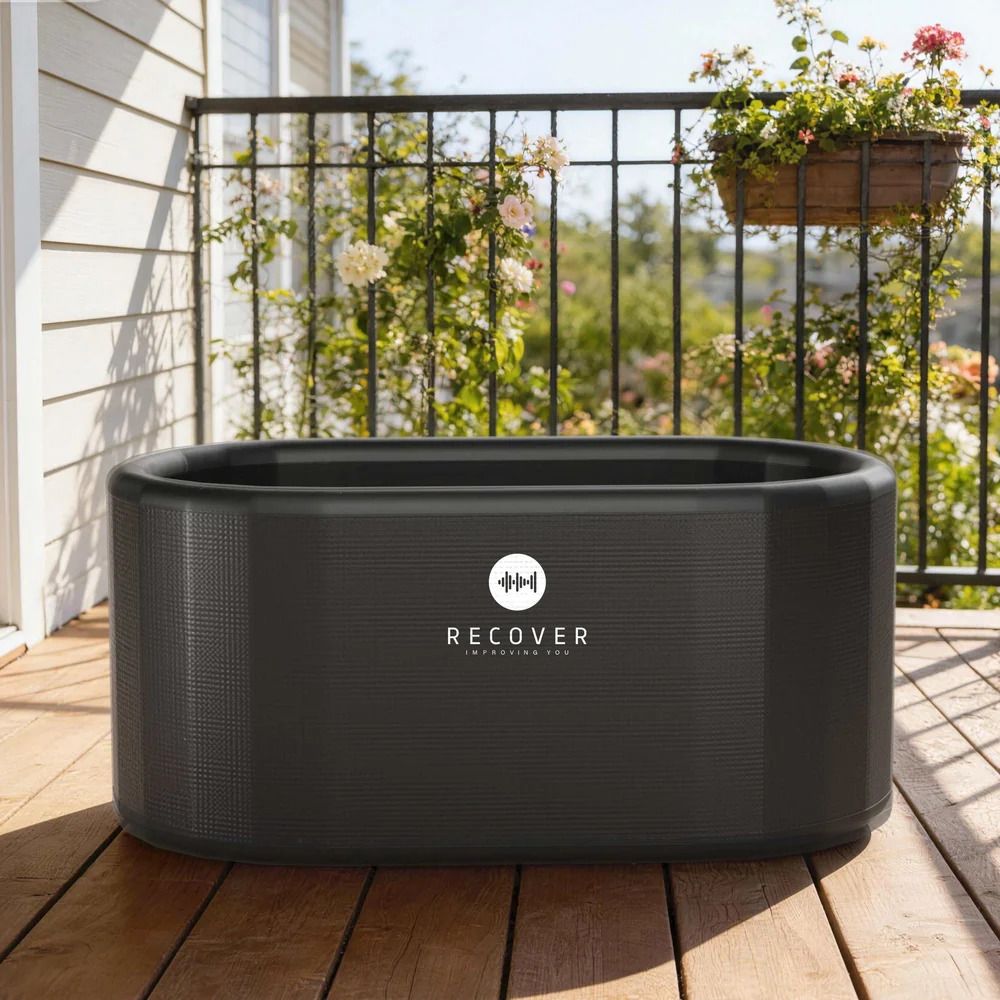
Retailers such as Recover list portable, barrel, ellipse, stainless steel and chiller-ready tubs, and viewing a full ice bath range for Dubai and Abu Dhabi is a quick way to compare shapes, sizes and materials side by side before you decide what suits your space.
Frequently Asked Questions
Do I need a chiller for an ice bath in Dubai?
ANS: Not strictly, but it's strongly worth considering for regular use. In hot conditions the water warms quickly, so manual icing means buying and adding ice often. A chiller keeps temperature consistent and usually adds filtration, which reduces water changes.
What is the best ice bath for a small apartment?
ANS: A portable or inflatable tub is usually the most practical, as it can be stored when not in use. Check the weight when filled, confirm your balcony or bathroom can handle it, and make sure there's an easy way to drain it.
How cold should a beginner's ice bath be?
ANS: Many beginner guides suggest roughly 10–15°C for one to three minutes. Start warmer and shorter, then adjust gradually. Colder isn't automatically better, and comfort and safety matter more than chasing low numbers.
How often should I change the water?
ANS: It depends on how often you use the tub, whether it has filtration and how you sanitize it. Follow your manufacturer's guidance, and change the water sooner if it looks cloudy or smells off.
Conclusion
The right ice bath is the one that suits your space, your climate and your routine. In the UAE, that usually means thinking about cooling first, then material, placement and upkeep, with safety basics in mind from the first session.
Take time to compare options, ask about chillers, filters and after-sales support, and be realistic about how often you'll use it. Browsing a specialist catalogue such as Recover's is a useful way to see how designs and sizes differ before you choose.
Appreciate the creator