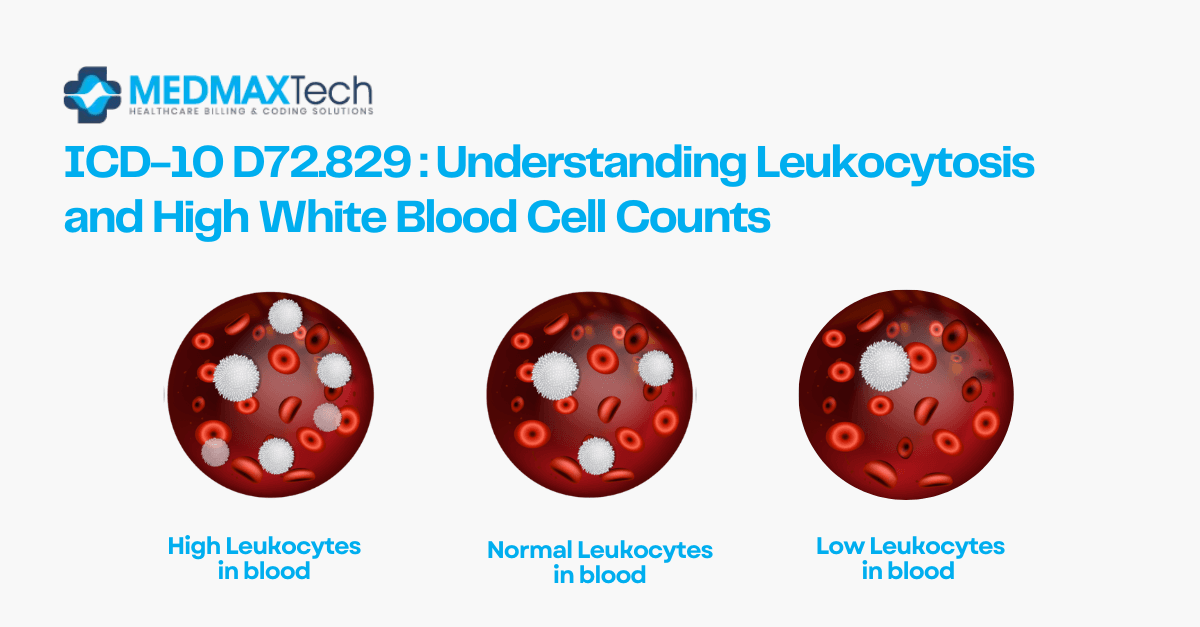
ICD-10 Codes for Leukocytosis
The main ICD-10-CM code for leukocytosis (unspecified elevated white blood cell count) is D72.829 (Elevated white blood cell count, unspecified), which became effective on October 1, 2025. This is a billable code used when a patient has a high leukocyte count but the exact cause has not been identified or documented.
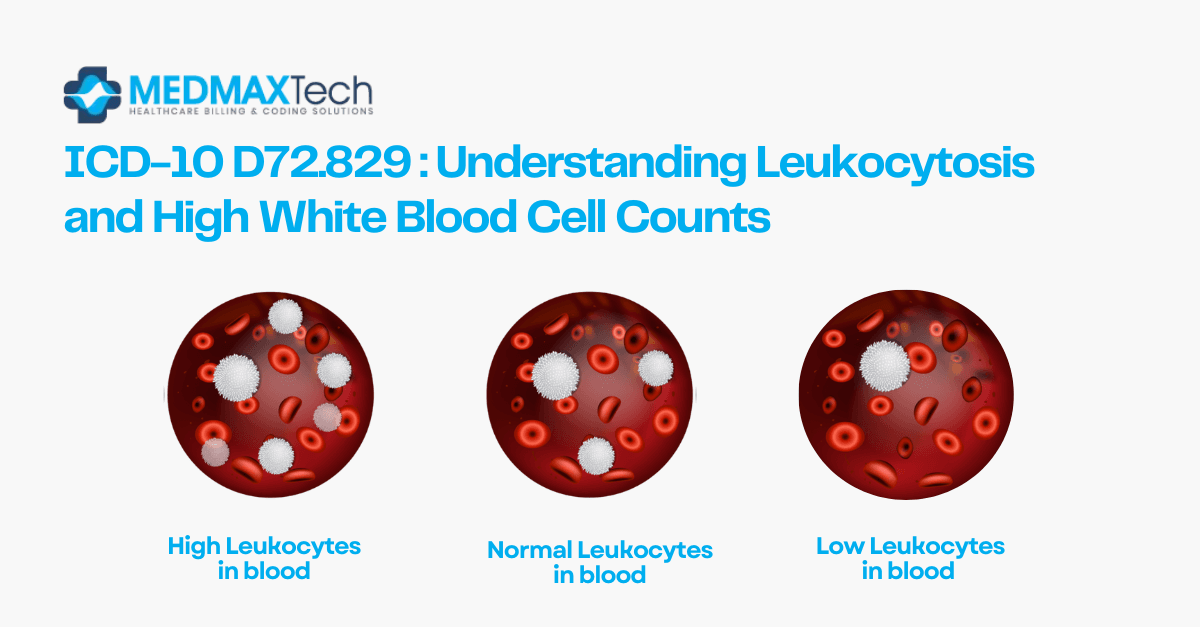
Key ICD-10 Codes for Leukocytosis
D72.829 - Elevated white blood cell count, unspecified:
This code is used for general leukocytosis when the medical record shows an increased white blood cell count, but the exact type of cell causing the increase is not specified. It is commonly used when the cause of leukocytosis is still being investigated.
D72.820 - Lymphocytosis (symptomatic):
This code is used when there is an increased number of lymphocytes in the blood. Lymphocytosis may occur due to infections, immune system disorders, or other medical conditions. Proper documentation must indicate that the condition is symptomatic.
D72.821 - Monocytosis (symptomatic):
This code is assigned when there is a higher than normal level of monocytes in the blood. Monocytosis can be associated with infections, inflammatory diseases, or certain blood disorders.
D72.822 - Plasmacytosis:
This code is used when there is an elevated number of plasma cells in the bloodstream. Plasmacytosis may appear in some immune-related conditions or blood disorders.
D72.823 - Leukemoid reaction:
This code is used when the body shows a very high white blood cell count that can resemble leukemia. However, in this situation, the increase is usually caused by another condition such as severe infection, stress, or inflammation rather than actual leukemia.
D72.828 - Other elevated white blood cell count:
This code includes other specific increases in white blood cells that are not classified under the previous codes. For example, it may include increases in neutrophils or other types of white blood cells when they do not fall into a standard category.
Coding Guidelines
Documentation Requirement:
Proper documentation is very important when coding for leukocytosis. The code should only be used if the elevated white blood cell count is clearly mentioned in the patient’s medical record and is being evaluated, monitored, or treated by the healthcare provider. Coders should avoid using this code for incidental findings that do not affect patient care.
Specificity:
Medical coders should always try to use the most specific code available. If the medical record identifies the exact type of leukocytosis, such as an increase in lymphocytes, monocytes, or neutrophils, then a more specific code from D72.820–D72.828 should be used instead of the general code D72.829.
Exclusions:
These codes should not be assigned if the elevated WBC count is clearly linked to a specific diagnosed disease. For example, if the patient has Acute Myeloid Leukemia, ICD-10 C92.0, the leukocytosis is considered a symptom of that disease and should not be coded separately.
Disclaimer:
Medical coding guidelines may change over time as new updates are released. Healthcare providers and coders should always review the official ICD-10-CM coding manual or updated coding resources to ensure they are using the most accurate and current information.
For more details Read artical: ICD-10 D72.829: Understanding Leukocytosis and High White Blood Cell Counts
Appreciate the creator