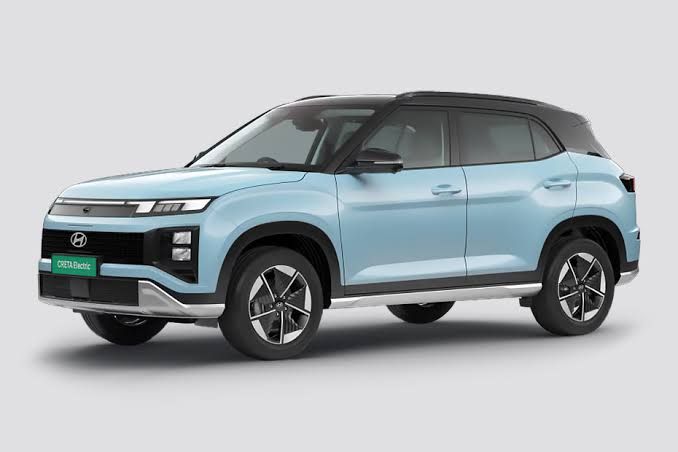
Hyundai CRETA Electric Car Price Expectations and India's EV Transition
The Indian automotive market is witnessing a gradual shift towards electric mobility as consumers become more aware of alternative powertrain options. The CRETA electric represents Hyundai's entry into an evolving segment that combines familiar SUV characteristics with electric technology. Alongside factors such as range, charging infrastructure, and technology features, buyers often consider ownership costs and market positioning when evaluating electric cars. These considerations have made electric mobility an important topic within the broader automotive landscape.
Understanding India's EV Transition
Electric mobility has gained attention across India due to changing consumer preferences, regulatory support, and improvements in charging infrastructure.
Many consumers now evaluate electric cars alongside conventional petrol and diesel cars. Factors such as lower tailpipe emissions, reduced dependence on fossil fuels, and advancements in battery technology have contributed to increasing interest in EVs.
The transition is not limited to one category of automobiles. Manufacturers have introduced electric options across hatchback, sedan, and SUV segments to meet varying consumer requirements.
Within this environment, the Hyundai CRETA Electric enters a market where buyers increasingly seek practical electric alternatives.
Hyundai CRETA Electric and Market Relevance
The Hyundai CRETA Electric builds on the established identity of the Hyundai CRETA while incorporating an electric powertrain.
For many consumers, familiarity with an existing car can influence interest in an electric variant. Buyers often prefer products that combine recognised design elements with newer technology.
The CRETA Electric features modern EV capabilities, such as battery-powered propulsion, connected technology, digital interfaces, and safety systems. These features contribute to its relevance within the growing electric SUV category.
As electric mobility expands, established car names continue to help consumers understand and compare available options.
Factors Influencing Electric Car Purchasing Decisions
Several considerations influence how consumers evaluate electric cars.
Driving range remains one of the most discussed aspects of EV ownership. Buyers often assess whether an electric car can meet daily commuting needs as well as occasional long-distance travel.
Charging infrastructure is another important factor. Public charging networks continue to expand across many cities and highways, supporting wider EV adoption.
Technology features also influence purchasing decisions. Consumers expect connectivity, digital displays, smartphone integration, and convenience functions comparable to those available in conventional automobiles.
The CRETA Electric reflects these expectations through its integration of modern technology and connected features.
Safety Expectations in Electric Vehicles
Safety remains a key priority regardless of powertrain type.
The Hyundai CRETA Electric incorporates safety technologies designed to support occupant protection and vehicle control. Features available across Hyundai's modern product portfolio include multiple airbags, Electronic Stability Control, Vehicle Stability Management, parking assistance technologies, and Advanced Driver Assistance Systems (ADAS) in selected variants.
Consumers often compare safety features when assessing electric car options. The inclusion of advanced safety technologies contributes to confidence during everyday use. Safety considerations remain central to purchasing decisions across both conventional and electric categories.
Technology and Connected Features
Technology has become an essential part of the ownership experience.
The Hyundai CRETA Electric features digital displays, an infotainment system, smartphone connectivity, and connected-car functions. These systems provide access to vehicle information, navigation, communication features, and convenience tools.
Electric cars often place greater emphasis on digital interfaces because owners regularly interact with charging information, energy consumption data, and battery management systems. For many consumers, technology contributes significantly to the overall ownership experience and influences purchasing decisions.
Understanding Pricing Considerations
Pricing remains one of the most researched aspects of any new automobile.
Many buyers search for the CRETA Electric car price when comparing available EV options. Pricing often influences how consumers evaluate features, battery specifications, technology offerings, and ownership considerations.
The Hyundai Creta Electric has a base price of ₹18,02,800 (ex-showroom)*, which positions it in the electric SUV segment. Buyers often compare this figure with those of competing cars when assessing available features and overall usability.
Research into the CRETA Electric car price typically forms part of a broader comparison process that includes charging convenience, safety equipment, and expected usage patterns. Buyers increasingly assess overall value rather than focusing solely on purchase cost.
Understanding pricing helps consumers place a car within the wider EV market and evaluate whether it aligns with their requirements.
Conclusion
The CRETA electric represents Hyundai's participation in India's ongoing transition towards electric mobility. Consumer interest in EVs continues to be shaped by factors such as technology, charging infrastructure, safety features, and ownership considerations. Understanding these elements helps explain the growing attention surrounding electric SUVs and their role within the automotive market. For buyers evaluating electric mobility, pricing, practicality, and everyday usability remain important aspects of the decision-making process.
Appreciate the creator