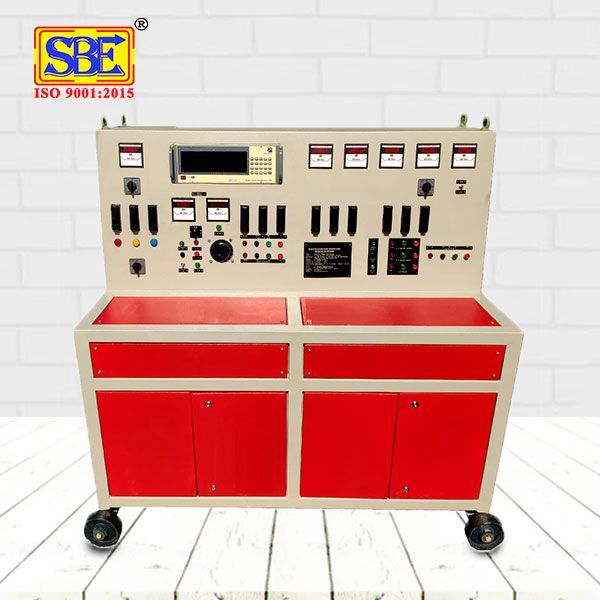
How Transformer Test Benches Assess Efficiency and Power Loss
Transformers play a crucial role in electrical power systems, facilitating the efficient transmission and distribution of electrical energy. As transformers are key components in power networks, it is essential to evaluate their performance and efficiency. One of the primary methods for assessing transformer efficiency is through efficiency testing on specialized Transformer Test Bench. These test benches allow for precise measurements and analysis of the power loss characteristics of transformers under different load conditions. In this article, we will delve into the process of efficiency testing, explore the parameters evaluated, and discuss the significance of such testing in ensuring optimal transformer performance.
Efficiency Testing: An Overview
Efficiency testing aims to determine the energy efficiency of a transformer by measuring its power losses under different load conditions. Transformers inherently have some level of energy losses due to resistive, magnetic, and core losses. The efficiency of a transformer refers to the ratio of its output power to its input power, with losses taken into account. By conducting efficiency tests, manufacturers, utilities, and maintenance professionals can evaluate the performance of transformers and identify any inefficiencies or deviations from expected values.
Transformer Test Benches and Load Conditions
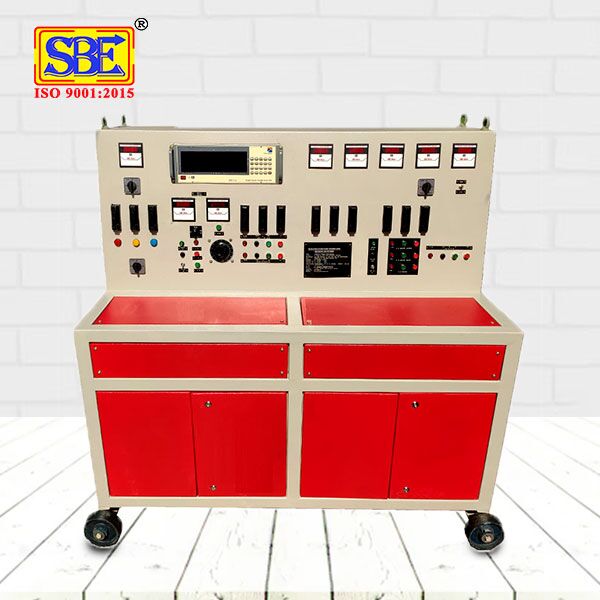
Efficiency testing is typically performed using specialized test benches offered by Transformer Test Bench Manufacturers in India. These test benches simulate real-world operating conditions and enable controlled variations in load, voltage, and other parameters. The test benches consist of various components, including precision instruments, voltage and current sources, and data acquisition systems. They are designed to handle different types and sizes of transformers and provide accurate and reliable measurement capabilities.
During efficiency testing, transformers are subjected to various load conditions, ranging from light to full load. Load conditions can be adjusted by varying the connected resistive or inductive loads on the test bench. Testing at different load levels allows for a comprehensive evaluation of the transformer's performance across its operating range.
Parameters Evaluated in Efficiency Testing
Efficiency testing involves measuring several parameters to assess the transformer's efficiency and power loss characteristics. The key parameters evaluated include:
1. Input Power: The total power supplied to the Contact Resistance Meter, which is calculated by multiplying the input voltage and input current.
2. Output Power: The power delivered by the transformer to the load, calculated using the output voltage and output current.
3. Copper Losses: Copper losses occur due to the resistance of the transformer windings. These losses can be measured by determining the winding resistance and calculating the corresponding power loss.
4. Iron Losses: Iron losses, also known as core losses, are caused by magnetic hysteresis and eddy currents in the transformer's core. These losses are typically evaluated by no-load testing and are relatively constant across different load conditions.
5. Total Losses: The sum of copper losses and iron losses, representing the total power dissipated as losses in the transformer.
6. Efficiency: The efficiency of the transformer is calculated by dividing the output power by the input power, taking into account the total losses. It indicates how effectively the transformer converts electrical energy from the input side to the output side.
7. Load Losses: Load losses are the losses that vary with the load current. These losses are primarily attributed to the resistance of the transformer windings and are measured at different load conditions.
Significance of Efficiency Testing
Efficiency testing holds significant importance for several reasons:
1. Performance Evaluation: Efficiency testing provides an accurate assessment of a transformer's performance by quantifying the power losses it incurs. It helps in identifying any deviations from expected values and ensures that the transformer operates optimally.
2. Energy Conservation: By determining the efficiency of transformers, energy losses can be quantified. This information enables utilities and industries to identify inefficient transformers and take corrective measures to improve energy conservation and reduce operating costs.
3. Compliance with Standards: Efficiency testing helps ensure that transformers comply with industry standards and regulations. Standards organizations, such as the International Electrotechnical Commission (IEC) and the Institute of Electrical and Electronics Engineers (IEEE), set specific efficiency requirements for transformers. Efficiency testing allows manufacturers to validate their products' compliance and helps utilities and regulatory bodies verify the performance of transformers in the field.
Conclusion: The benches are indispensable tools for assessing the performance and efficiency of transformers. With their precise measurements and controlled load conditions, they ensure optimal operation and compliance with industry standards. For reliable transformer test benches, trust S.B. Electrotech, a leading Transformer Test Bench Suppliers in India.
Appreciate the creator