How to Use a Solar Generator During Power Outages?

Picture this: It's a stormy Tuesday evening, and suddenly—click—everything goes dark. The hum of the refrigerator stops. Your Wi-Fi router blinks off. But instead of fumbling for candles or worrying about spoiled groceries, you calmly walk over to your solar generator, flip a switch, and watch your essential devices come back to life.
That's not a fantasy. It's the reality for thousands of people who've made the switch to solar generators as their go-to home backup power solution. Unlike noisy, gas-guzzling generators that require constant refueling and maintenance, solar generators offer a clean, quiet, and surprisingly simple way to keep your household running when the grid goes down.
If you've been curious about how these devices actually work—or if you already own one and want to maximize its potential—this guide will walk you through everything you need to know about using a solar generator during power outages.
Understanding What a Solar Generator Actually Does
Let's clear up any confusion first. A solar generator isn't really a "generator" in the traditional sense. It doesn't generate electricity from fuel combustion. Instead, it's essentially a portable power station that stores energy collected from the sun.
Here's the simple breakdown:
Solar panels capture sunlight and convert it into direct current (DC) electricity. That electricity flows into the battery (usually lithium-ion), where it's stored for later use. When you need power, the built-in inverter converts that stored DC power into alternating current (AC)—the kind your household appliances use. A charge controller manages the flow to protect the battery from overcharging.
The beauty of this system? Once it's charged, you have silent, emission-free portable solar power ready whenever you need it. No fumes, no noise, no trips to the gas station.
Step-by-Step: How to Use a Solar Generator During a Power Outage
Using a solar generator isn't complicated, but a little preparation goes a long way. Here's how to do it right:
Step 1: Charge It Before You Need It
This might sound obvious, but the biggest mistake people make is waiting until the power goes out to think about their generator. Keep your solar generator charged and ready at all times.
You have two main charging options:
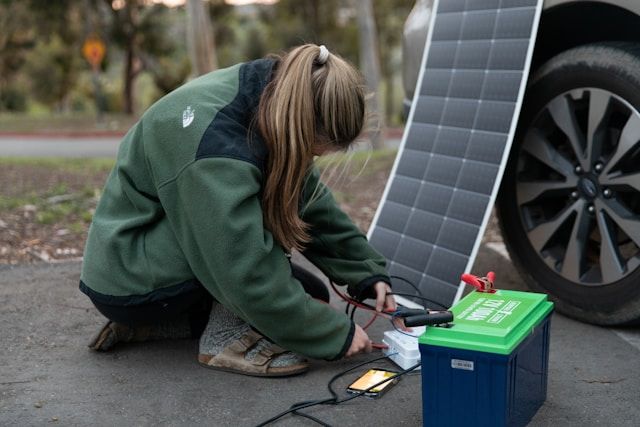
Solar panels: Set them up in a sunny spot—your yard, balcony, or even a south-facing window. Depending on your panel size and battery capacity, a full charge might take 4–8 hours of good sunlight.
Wall outlet: Most solar generators can also plug into a standard outlet. This is great for topping off before a predicted storm or during cloudy weeks.
Pro tip: If you know bad weather is coming, charge your unit fully using the wall outlet the night before. Don't rely solely on solar charging during an emergency.
Step 2: Connect Your Essential Devices
When the outage hits, prioritize what really matters. Don't try to run your entire house—focus on the essentials:
Refrigerator: Keep food safe (run intermittently, not continuously)
Phone chargers: Stay connected with family and emergency services
Wi-Fi router/modem: Maintain internet access if lines are still up
Medical devices: CPAP machines, nebulizers, etc.
LED lights: Low-draw lighting for safety and comfort
Laptop or tablet: Stay informed and entertained
Most solar generators have multiple output options—standard AC outlets, USB ports, and sometimes 12V car ports. Match your devices to the appropriate outlet and plug them in just like you would into a wall socket.
Step 3: Monitor Your Power Levels
Modern solar generators typically have displays showing battery percentage, wattage being used, and estimated runtime. Keep an eye on this. If you notice the battery draining faster than expected, unplug non-essential items.
During daylight hours, connect your solar panels to recharge the battery while you're still using it. This extends your runtime significantly and creates a sustainable off-grid energy setup.
Step 4: Use Energy Wisely
Think of your solar generator's battery like your phone's battery—the more you demand from it, the faster it drains. Some quick energy-saving strategies:
Run the fridge for 15 minutes every hour instead of continuously (most fridges stay cold for hours when closed)
Switch to LED lights instead of incandescent bulbs
Avoid high-wattage appliances like hair dryers, space heaters, or electric stoves
Charge multiple devices during peak solar hours
Safety Tips Worth Remembering
Never use your solar generator indoors while charging with solar panels in direct sunlight (heat buildup can occur)
Keep the unit in a dry, ventilated area
Don't overload the system—check the wattage limits
Store the generator in a cool place when not in use to preserve battery health
Getting the Most Out of Your Solar Generator
Panel placement matters. Position your solar panels facing south (in the Northern Hemisphere) at an angle that maximizes sun exposure. Clear away any shade from trees or buildings. Even partial shade can significantly reduce charging efficiency.
Battery maintenance is simple. Charge your unit every 3–6 months even if you're not using it. Letting lithium batteries sit completely drained for months can damage them permanently.
Pair with efficiency. The lower your energy needs, the longer your generator lasts. Invest in Energy Star appliances, LED bulbs, and energy-efficient chargers. It makes a real difference during extended outages.
A Real-Life Lesson from Last Winter
My neighbor Sarah learned the value of her solar generator last February when an ice storm knocked out power for three days. While others scrambled for hotel rooms or borrowed generators, she kept her fridge running, charged everyone's phones, and even powered a small electric blanket at night.
"I didn't realize how much peace of mind it would give me," she told me afterward. "I wasn't worried. I just let the sun do its thing during the day and used the power carefully at night."
That's the real benefit—not just electricity, but confidence.
Your Quiet Partner in Any Blackout
Power outages are unpredictable, but your response to them doesn't have to be. A solar generator gives you independence, reliability, and comfort when the grid fails. Whether you're weathering a storm, dealing with rolling blackouts, or simply want the security of home backup power, these systems deliver without the noise, fumes, or hassle of traditional generators.
If you're planning for emergencies—or just want the freedom of portable solar power—a solar generator can be your quiet, reliable partner in any blackout. Charge it up, know how to use it, and rest easy knowing you're prepared for whatever comes next.
Appreciate the creator