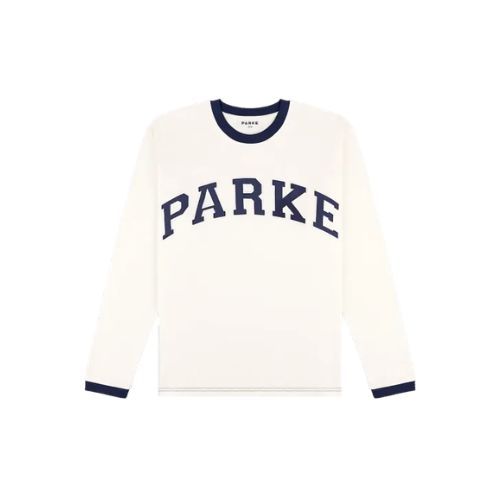
How to Store Your Parke Collection & Keep That Boxy Shape
The Architectural Appeal of the Boxy Silhouette
Streetwear has undergone a massive structural shift over the last decade. We have moved away from the slim, body-hugging aesthetics of the early 2010s and transitioned into an era defined by volume, drape, and intentional geometry. At the heart of this movement is the "boxy" fit—a specific silhouette characterized by dropped shoulders, wide chests, and a cropped length that sits perfectly at the waistline.
Maintaining this shape is not just about style; it is about preserving the structural integrity of the garment. When you invest in a premium collection, you are buying into the craftsmanship of heavyweight cotton and specific GSM (grams per square meter) weights that provide that sought-after stiffness. However, gravity, moisture, and improper storage are the silent enemies of high-quality fabric. If handled incorrectly, a structured mockneck or a heavyweight hoodie can quickly lose its "snap," becoming stretched, pillowed, or misshapen.
To keep your collection looking as crisp as the day it arrived, you need a storage strategy that respects the fabric’s weight and the garment’s intended lines.
The History of the Boxy Fit in Streetwear
Understanding how to care for these items requires a quick look at where they come from. The boxy silhouette is deeply rooted in 1990s athletic wear and workwear. Originally designed for functionality, oversized sweatshirts allowed athletes to move freely and laborers to layer up against the elements.
In the modern context, this shape has been refined. It is no longer just "too big"; it is "engineered oversized." This means the ribbing on the hem is often tighter to create a gathered look, while the sleeves are cut with extra room. Because these garments often use high-density loops or fleece backing, they carry significantly more physical weight than a standard retail tee. This weight is exactly why traditional storage methods—like thin wire hangers—are the quickest way to ruin your favorite piece.
To Hang or to Fold? The Ultimate Debate
The most common mistake collectors make is treating a heavyweight cotton piece like a formal dress shirt. Here is the breakdown of how to choose your method based on the garment's construction.
The Case Against Traditional Hanging
Heavyweight hoodies and mocknecks are heavy. When you place a high-GSM garment on a standard hanger, the entire weight of the piece pulls down on the shoulder seams. Over time, this creates "hanger bumps"—those unsightly pointed protrusions at the top of the sleeve. Furthermore, gravity will eventually stretch the vertical fibers, turning your intentional "boxy and cropped" fit into a "long and narrow" one.
Pro Tip: If you must hang, use wide, padded shoulders or "suit hangers" that distribute the weight across a larger surface area. Never use wire or thin plastic hangers for heavyweight knits.
The Superiority of the Flat Fold
For maintaining a boxy shape, folding is almost always the winner. By allowing the garment to rest on a flat surface, you eliminate the tension on the seams. However, not all folds are created equal. To prevent deep creases that can break down the fibers over time, use the "soft roll" or the "boutique fold" method.
Lay the garment face down on a clean, flat surface.
Fold the sleeves inward toward the center, ensuring they lie flat without bunching.
Fold the bottom third of the body up, then the top third down.
Store them in small stacks (no more than 3-4 high) to prevent the bottom garment from being crushed by the weight of the others.
Seasonal Storage and Fabric Health
If you are rotating your collection between summer and winter, how you store items long-term is critical. Heavyweight cotton is breathable, but it is also a magnet for moisture and dust.Visit parkeestore.com for more parke designs.
Breathability is Key
Avoid plastic dry-cleaning bags or airtight plastic bins for long-term storage. Cotton needs to breathe. If moisture is trapped inside a plastic container, it can lead to mildew or a "musty" smell that is incredibly difficult to remove from thick fleece. Instead, opt for cotton canvas storage bags. These protect against dust and pests while allowing air circulation.
Temperature Control
Store your collection in a cool, dry place. Avoid attics or damp basements. High heat can actually "bake" the fibers, making them brittle and causing the vibrant pigments of the fabric to fade or shift. A climate-controlled closet is the gold standard for preservation.
Maintaining the Structural Integrity of the Neckline
One of the defining features of a premium collection is a tight, structured neckline—especially on mocknecks and heavy tees. A sagging collar is the first sign of a garment past its prime.
To preserve the neck:
Don't stretch it over your head: This sounds simple, but aggressive dressing/undressing is the primary cause of collar fatigue.
Wash cold, air dry: Heat is the enemy of the elastic fibers often found in ribbed collars.
The "Inside-Out" Rule: Always fold and wash your items inside out. This protects the outer face of the fabric and any embroidery or screen printing from friction.
The Role of Humidity and Pests
Because premium streetwear often utilizes high-quality organic fibers, it can be attractive to moths. While we often associate moths with wool, they can occasionally target soiled cotton.
Ensure every piece is completely clean before long-term storage. Body oils and skin cells can degrade the fabric over time. Using cedar blocks or lavender sachets in your drawers is a natural way to repel pests without resorting to harsh smelling mothballs. Cedar also helps manage minor humidity fluctuations within your closet.
Engineering the "New" Look Every Time
If you find that a piece has lost a bit of its "crispness" after being folded for a while, do not reach for the iron. Traditional ironing can flatten the natural loft of the fleece or French terry loops.
Instead, use a handheld steamer. Steaming relaxes the fibers and allows them to return to their original "boxy" state without the crushing pressure of a heavy iron. After steaming, lay the garment flat on a bed for ten minutes to let it cool and set its shape before wearing.
Summary of Best Practices
Maintaining a collection is about consistency. Streetwear is an investment in your personal brand and aesthetic. By treating these garments with the same respect as a tailored suit, you ensure that the silhouette remains striking and the fabric remains plush.
Prioritize folding over hanging to avoid vertical stretching.
Use cedar and canvas for long-term seasonal storage.
Avoid high heat in both washing and storage environments.
Steam, don't iron, to maintain the fabric's volume.
Frequently Asked Questions
Why did my boxy hoodie get longer after hanging it?
This is due to gravitational pull. Heavyweight fabrics (high GSM) exert significant downward force on the shoulder seams. Over time, the knit stretches vertically, which ruins the intended cropped and wide silhouette. Switching to a flat-fold storage method can prevent this.
How do I get rid of hanger bumps on my shoulders?
If your garment has developed "horns" or bumps from a hanger, do not panic. You can usually fix this by lightly dampening the area with water and using a steamer to reshape the fibers. Once steamed, massage the fabric back into place and lay it flat to dry.
Is it okay to use vacuum-seal bags for clothes?
While vacuum-sealing saves space, it is not recommended for heavyweight streetwear. It crushes the fibers and can create permanent creases in thick cotton. It also prevents the fabric from breathing, which can lead to a yellowing of the fabric or a stale odor over several months.
Appreciate the creator