How to Regrow Hair Naturally: 5 Handy Tips
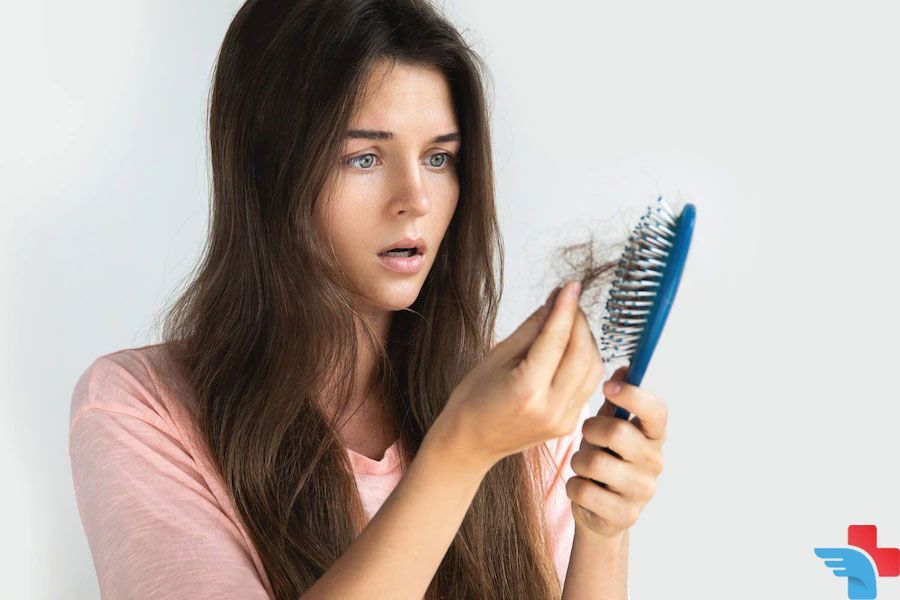
Hair loss is the most frustrating issue concerning your hairstyle. In case you didn't know, the stress of constantly finding hairs on your clothes, pillow, and couch only makes the situation worse. In a nutshell, it is an endless loop that needs to be broken immediately. But there's some good news. Well, what if we told you that you could solve this annoying hair problem without leaving the comfort of your own home? You'll find all the information you need here on natural methods for stopping hair loss and promoting new growth.
What Is Hair Loss?
As was previously stated, it does not cause alarm if some hair ends up on the floor, pillow, or towel. However, if you notice a significant amount of hair falling out over a period of weeks, in addition to any other symptoms like thinning hair or baldness, you may be experiencing hair loss. Alopecia is the medical word for this condition.
According to studies, some of the most frequent signs of hair thinning are:
Lack of hair on the top of the head, particularly on the crown
Hair loss, thinning, and bald patches
the thinning of one's hairline
When you run your fingers through your hair, there are too many strands to count.
Why do people lose their hair?
Most cases of hair loss are just temporary, but it's still vital to check into what's causing it and how to manage it so that you don't have to worry about any underlying medical issues. The triggers behind this may include:
Medication: hair loss can be a side effect of some medications, including cancer treatments. This loss, though hopefully transitory, won't lessen until after therapy has ended.
Hair thinning is a typical side effect of hormonal shifts or imbalances. Forty to fifty percent of women have hair loss in the year after giving birth, but menopause, thyroid problems, and other factors can also contribute to hair thinning or loss.
People who have experienced a traumatic event, either physically or emotionally, often find that they are physically and emotionally weakened.
Traction alopecia is a type of hair loss that can be caused by wearing tight hairstyles, such as ponytails or cornrows, on a daily basis.
The usage of hair extensions, especially those attached by the hot fusion bonding technique, is another known cause of traction alopecia. It's better to have a professional do the work if you want to get hair extensions and to take breaks from getting them every few weeks.
Hair can experience physical stress from salon procedures such as hot oil treatments, coloring, relaxing, and perming, all of which can result in hair loss. Fallout can be increased by using hair styling equipment too frequently, whether at home or in the salon. In order to keep your locks in good condition, you should limit your contact with harsh chemicals and cool your tools down.
How to Promote Healthy Hair Regrowth
People can choose from a variety of treatments and approaches. Including:
1. Oil head massage
When it comes to preventing hair loss, nothing beats a relaxing massage with heated oil. Oil massages of the scalp have been a tried-and-true remedy for hair loss amongst women for decades. You can bet your mom and grandparents would back us up on this. Also, this is a fantastic choice for women who are too busy to devote significant time to their hair care routines even if they wish to.
2. Onion Juice
When applied topically, onion juice has been shown to stimulate hair growth, prevent hair loss, and lessen the appearance of thinning or bald areas. The high levels of sulfur in onion juice have led to it being touted as a beauty mineral that aids in both hair growth and scalp circulation. Inflammation and hair loss caused by infections of the scalp are two of sulfur's many benefits.
Onion juice is loaded with vitamins and minerals necessary for healthy hair development, such as magnesium, potassium, folate, and Vitamin C.
3. Aloe vera
There is a long history of using aloe vera to combat baldness. The scalp is calmed and the hair is conditioned. This helps remove excess oil from the hair and scalp, which can lead to dandruff.
4. Fatty acid
Arachidonic acid, an omega-6 fatty acid, has been found to stimulate hair growth by increasing follicle development.
5. Pumpkin Seed Oil
Pumpkin Seed oil, if taken orally on a daily basis, may help regrow hair in people aged 10 to 15. Men who took four capsules of PSO daily for six months observed a 40% rise in hair count, according to a small study; nevertheless, additional research is needed. Pumpkin Seed oil, like saw palmetto, may prevent testosterone from being converted into DHT, a chemical associated with hair loss.
Conclusion
You should give your hair the care and attention it deserves by making it a daily habit. If your hair loss is caused by emotional or stress-related factors, it may help to take this step and engage in self-care. Staying healthy will help your hair treatment plan work better.
If these non-invasive strategies are unsuccessful, consult the best dermatologist for hair about further options.
FAQs
1. Can we naturally recover lost hair?
The answer is "maybe." If a hair follicle has been dormant for a long period of time (years), has scarred over, or has closed for any of these reasons, no new hair will grow there. But if the follicle is unharmed, new hair can come in, or the quality of the thinning hairs can be improved.
2. What happens to bald spots and thinning hair?
Alopecia can be either transient or permanent, and it can affect only the scalp or the entire body. Hereditary factors, hormonal shifts, medical disorders, and the natural aging process can all play a role. Hair loss on the scalp is frequent among men but can happen to anyone.
3. How long does hair take to regrow?
For a while, the hair can just grow back as a fuzzy top layer. Hair typically grows between 4 and 6 inches each year, so you may notice it beginning to grow back after approximately a month. Keep in mind that it may take up to a year for hair to begin growing back after chemotherapy.
Appreciate the creator