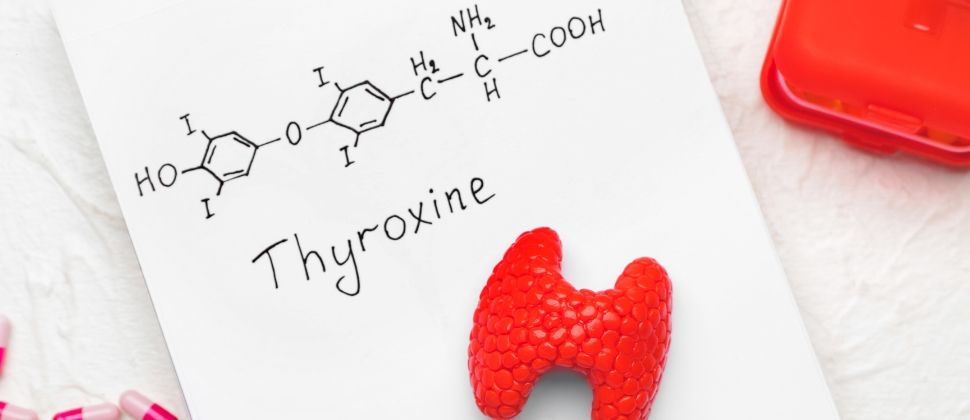
How to Prepare for Your Thyroid RFA Consultation and Process
Thyroid health is a vital component of overall well-being, and for many individuals diagnosed with benign thyroid nodules, a treatment option called thyroid RFA (Radiofrequency Ablation) is becoming increasingly popular. It offers a minimally invasive solution that avoids traditional surgery and preserves thyroid function. If you've been referred for this procedure or are considering it, understanding how to prepare for your thyroid RFA consultation and the treatment process is essential to ensure the best possible outcome.
In this comprehensive guide, we’ll walk you through everything you need to know to get ready for your thyroid RFA consultation and what to expect before, during, and after the procedure.
Understanding Thyroid RFA
Thyroid RFA is a minimally invasive, image-guided procedure that uses thermal energy to shrink benign thyroid nodules without the need for surgical removal. It’s especially useful for patients experiencing symptoms such as neck discomfort, difficulty swallowing, or cosmetic concerns due to visible swelling.
Unlike surgery, thyroid RFA leaves no scars, preserves thyroid tissue, and significantly reduces the risk of lifelong hormone replacement therapy. It's usually performed under local anesthesia and allows for a quick recovery, often with patients returning to their normal activities within a day or two.
Step 1: Scheduling Your Thyroid RFA Consultation
The first step in the process is to schedule a thyroid RFA consultation with a specialist, usually an endocrinologist or interventional radiologist trained in thermal ablation techniques. This consultation is crucial for assessing your candidacy for the procedure.
During your appointment, the physician will:
Review your medical history
Evaluate any symptoms you are experiencing
Examine results from imaging tests such as thyroid ultrasound or CT scans
Review prior thyroid function tests and biopsy reports (like fine needle aspiration cytology)
Bring all relevant documents and imaging reports to the consultation, including any recent blood tests (especially thyroid hormone levels like TSH, T3, T4), previous ultrasound images, and pathology reports. The more comprehensive your records, the better the specialist can tailor the treatment to your needs.
Step 2: Confirming Eligibility for Thyroid RFA
Not everyone with a thyroid nodule is an ideal candidate for thyroid RFA. Your eligibility will depend on several factors:
Ideal Candidates Typically:
Have benign, non-cancerous thyroid nodules (confirmed via at least two benign cytology results)
Experience compressive symptoms such as neck pressure or swallowing difficulty
Have nodules that are growing or causing cosmetic issues
Prefer a non-surgical alternative
Have normal or near-normal thyroid function
Nodules treated with thyroid RFA can be solid or cystic, though the procedure is generally more effective for solid or predominantly solid nodules. Large nodules (greater than 2–3 cm) are especially good candidates, as they can cause visible or symptomatic issues over time.
If there is any doubt about the nodule’s nature (e.g., if cancer cannot be ruled out), your doctor may recommend additional testing or surgery instead of RFA.
Step 3: Preparing for the Procedure
Once you're approved for thyroid RFA, the next step involves pre-procedure planning. Here's what you can expect:
1. Medication Review
Let your doctor know about all the medications and supplements you’re taking, especially blood thinners like aspirin, warfarin, or clopidogrel. You may be advised to stop these medications several days before the procedure to reduce bleeding risks.
2. Thyroid Function Tests
Additional lab tests may be ordered before your thyroid RFA appointment, including updated thyroid hormone levels, to ensure your gland is functioning normally.
3. Fasting and Hydration
Your physician may recommend fasting for 6–8 hours before the procedure. In most cases, though, local anesthesia is used, and the fasting requirement is minimal.
4. Comfortable Clothing
Wear a shirt with a loose collar or buttons to make access to your neck easier. Avoid wearing jewelry or makeup around the neck area on the day of your appointment.
Step 4: The Day of the Procedure
On the day of your thyroid RFA procedure, you'll typically check in at an outpatient clinic or specialized treatment center. Here's what the process generally involves:
1. Preparation
You’ll be asked to lie down, and your neck will be cleaned and prepped. A local anesthetic will be administered to numb the area.
2. Ultrasound Guidance
Using high-resolution ultrasound, your doctor will guide a small, thin needle electrode into the thyroid nodule. The ultrasound helps ensure precise targeting and avoids surrounding vital structures.
3. Ablation
Once in position, the radiofrequency energy heats and destroys the tissue inside the nodule, causing it to shrink over time. This part usually takes 20 to 40 minutes, depending on the size of the nodule.
Most patients remain awake and alert, with minimal discomfort thanks to the local anesthesia and careful technique.
4. Observation
After the procedure, you’ll be monitored for a short period (30 minutes to an hour) before being discharged. You’ll receive instructions for at-home care and a follow-up plan.
Step 5: Post-Procedure Care and Recovery
Recovery from thyroid RFA is generally quick and uncomplicated. Here's what to expect:
1. Mild Symptoms
You might experience mild swelling, bruising, or soreness at the treatment site. Over-the-counter pain relievers like acetaminophen are usually sufficient.
2. Return to Normal Activities
Most patients return to work and normal activities within 24 to 48 hours. However, strenuous exercise or heavy lifting may be restricted for a few days.
3. Voice Monitoring
A rare but possible complication is temporary voice changes due to irritation near the vocal nerves. Let your doctor know if you experience hoarseness, though this usually resolves within a few weeks.
4. Follow-Up Ultrasounds
You’ll be scheduled for follow-up ultrasounds at intervals (usually 1 month, 3 months, 6 months, and 12 months) to monitor the shrinkage of the nodule. Most nodules shrink by 50% or more within six months and continue to reduce in size over the year.
Common Questions About Thyroid RFA
1. Is thyroid RFA painful?
No, the procedure is performed under local anesthesia, and most patients report only mild discomfort.
2. Will I need thyroid hormone replacement?
Unlike surgery, thyroid RFA preserves the healthy parts of the gland, making hormone replacement therapy unnecessary in the vast majority of cases.
3. Can RFA treat multiple nodules?
Yes, multiple nodules can be treated, either in the same session or in multiple sessions, depending on their size and location.
4. What happens if the nodule grows back?
In rare cases where regrowth occurs, thyroid RFA can be repeated safely.
Conclusion: Be Prepared and Empowered
Preparing for your thyroid RFA consultation and treatment process doesn’t have to be stressful. By understanding the steps involved—from initial evaluation to post-procedure care—you’ll feel more confident and ready to move forward with this effective, non-surgical treatment.
Whether you're seeking relief from bothersome symptoms or simply want to avoid surgery, thyroid RFA offers a modern, safe, and patient-friendly alternative. Speak openly with your doctor, ask questions during your consultation, and make informed decisions about your thyroid health.
With proper planning and follow-up, thyroid RFA can offer long-term relief and improve your quality of life—without the scars or downtime of traditional thyroid surgery.
Appreciate the creator