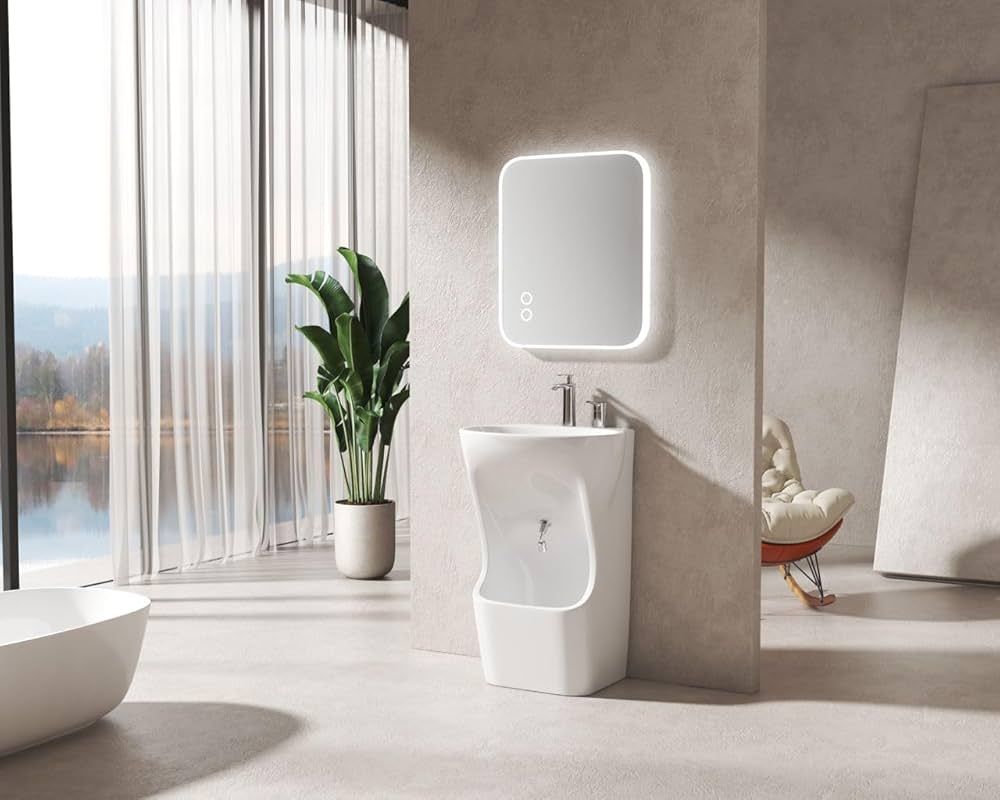
How to Plan Efficient Plumbing for Wudu Wash Basin Installations
Efficient plumbing design is a critical factor in ensuring the long-term performance, hygiene, and sustainability of mosque ablution areas. As mosques continue to accommodate growing congregations, the demand for well-planned water systems has increased significantly. Poor plumbing layouts can lead to water wastage, drainage issues, and hygiene challenges that affect the overall user experience.
Modern mosque infrastructure now emphasizes integrated plumbing solutions that support high-traffic usage while maintaining cleanliness and water efficiency. A properly designed Wudu Wash Basin system relies heavily on behind-the-scenes plumbing planning that ensures smooth water flow, rapid drainage, and minimal maintenance requirements.
Importance of Plumbing Design in Ablution Areas
Plumbing is the backbone of any functional ablution facility. Since wudu involves repeated washing throughout the day, the system must handle continuous water usage without pressure loss or drainage blockages.
An efficient plumbing layout ensures that water supply and waste removal operate seamlessly, even during peak prayer times. Without proper planning, issues such as stagnant water, leakage, or uneven pressure can quickly arise, affecting hygiene and safety.
Key objectives of good plumbing design include:
Consistent water pressure across all washing points
Rapid and efficient drainage to prevent pooling
Reduced water wastage through controlled flow systems
Easy maintenance access for repairs and inspections
These elements are essential for maintaining both functionality and hygiene in high-usage religious environments.
Water Supply System Design and Distribution
A well-planned water supply system ensures that each washing station receives equal and reliable water flow. Uneven pressure can lead to user inconvenience and inefficient water usage, especially in large mosque facilities.
Engineers typically design a balanced distribution network that connects all basin units to a central supply line. Pressure regulators may also be installed to maintain consistent flow across multiple outlets.
Proper pipe sizing and material selection are equally important. Durable, corrosion-resistant pipes help prevent leaks and ensure long-term system stability, even under continuous use.
Drainage Planning for Hygiene and Safety
Drainage is one of the most critical components of wudu plumbing systems. Poor drainage design can lead to water accumulation, slippery floors, and hygiene issues such as mold or bacterial growth.
Modern systems use sloped flooring and strategically placed drainage channels to ensure that water flows away quickly and efficiently. Each basin unit should be directly connected to a drainage outlet to prevent overflow or backflow.
Key drainage considerations include:
Proper floor gradient to guide water flow
Individual drainage outlets for each washing point
Use of anti-clogging filters and traps
Separation of greywater systems for improved sanitation
These measures ensure that the ablution area remains clean, safe, and easy to maintain.
Integration of Plumbing with Modern Basin Design
Contemporary mosque design increasingly integrates plumbing systems directly into the structure of ablution units. This approach reduces installation complexity and improves overall efficiency.
Pre-engineered basin systems are designed with built-in plumbing channels that simplify water connection and drainage setup. This reduces installation time and ensures consistent performance across multiple units.
Integrated systems also help minimize visible piping, creating a cleaner and more organized appearance in the ablution area.
Maintenance Efficiency and Long-Term Performance
A well-planned plumbing system not only improves daily functionality but also reduces long-term maintenance costs. Easy access to pipes, valves, and drainage points allows for quick repairs without disrupting mosque operations.
Routine maintenance planning should include:
Regular inspection of water pressure systems
Cleaning of drainage channels to prevent blockages
Monitoring for leaks or pipe wear
Periodic testing of flow efficiency
By incorporating maintenance-friendly design principles, mosque administrators can ensure long-term reliability and hygiene.
Export Opportunities and Global Demand
The demand for efficient mosque infrastructure is increasing globally, particularly in regions such as the Middle East, Southeast Asia, and Africa. As mosque construction projects expand, developers are seeking advanced plumbing and ablution solutions that combine durability with efficiency.
For manufacturers and export-focused businesses, this creates significant opportunities in international markets. Highlighting plumbing efficiency as a key feature of ablution systems can help attract architects, contractors, and procurement agencies.
Effective strategies for export growth include:
SEO-driven content targeting mosque infrastructure and plumbing systems
Digital marketing campaigns focused on construction professionals
Participation in international trade fairs and building expos
Collaboration with global distributors and contractors
By positioning products as complete, engineered solutions rather than standalone fixtures, businesses can strengthen their competitiveness in the global market.
Conclusion
Efficient plumbing design is essential for creating functional, hygienic, and sustainable ablution facilities in modern mosques. From water supply distribution to drainage planning, every element plays a vital role in ensuring smooth operation and user comfort.
As global demand for modern mosque infrastructure continues to grow, well-engineered Wudu Wash Basin systems supported by efficient plumbing networks offer strong potential for both improved facility performance and international market expansion. Businesses that prioritize technical precision and sustainability will be best positioned to succeed in this evolving sector.
Appreciate the creator