How to Pick the Right Ear Piercing That Fits Your Style and Comfort
Getting an ear piercing is more than choosing a piece of jewelry. The placement you select can influence your comfort, your healing experience, and even how you build your collection in the future. Some people choose a single piercing as a personal milestone, while others enjoy creating a balanced look by adding new piercings over time.
Before making a decision, it helps to understand the differences between each placement. Read more about the ear piercing chart to explore the location of every piercing and understand what may work best for your ear shape before scheduling an appointment.
Every Ear Is Different
No two ears are exactly alike. The size of the cartilage, the shape of the outer rim, and even the thickness of the lobe can affect where jewelry looks best. This is one reason professional piercers evaluate each client individually instead of recommending the same placement to everyone.
Looking at different ear piercing charts gives you a better idea of how various piercings sit on the ear. It also makes it easier to communicate your preferences during your consultation.
Understanding Popular Piercing Placements
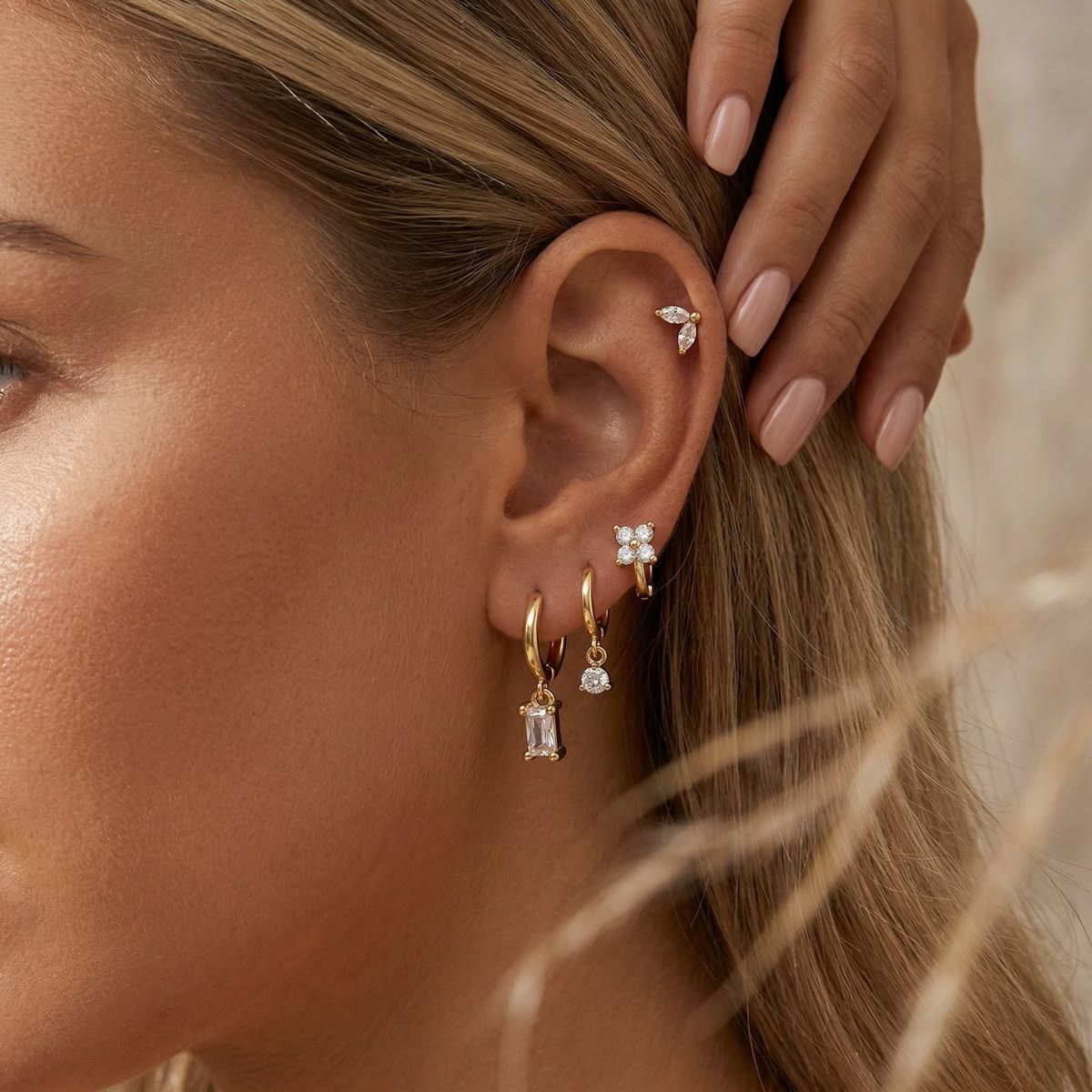
The lobe remains one of the most common choices because it is soft, heals relatively quickly, and works with almost every jewelry style. Many people later add second or third lobe piercings to create a layered appearance.
The helix sits along the outer cartilage and is often selected by people who want something different without choosing a more complex placement. The forward helix creates a unique look near the front of the ear, while the tragus offers a distinctive position just outside the ear canal.
Piercings like the conch, rook, daith, and snug each have their own appearance and healing requirements. Comparing an all ear piercings chart makes it much easier to understand how these placements differ before making your decision.
Why Jewelry Size Matters
Choosing the right jewelry size is just as important as selecting the piercing itself. Every piercing uses a specific gauge and length depending on the thickness of the tissue and the amount of swelling expected during healing.
Jewelry that fits correctly allows the piercing to recover more comfortably. Pieces that are too small may create unnecessary pressure, while oversized jewelry can move around excessively and increase irritation.
Many people review an ear piercing size chart before purchasing jewelry so they understand the measurements recommended for different parts of the ear.
Healing Requires Patience
Healing times vary from one piercing to another. Lobe piercings generally recover more quickly because the tissue is softer and receives better blood flow. Cartilage piercings usually require several months before they fully settle.
During healing, following aftercare instructions consistently is more important than changing jewelry for appearance. Keeping the area clean, avoiding unnecessary touching, and protecting the piercing while sleeping all help reduce irritation.
Everyone heals differently, so patience often leads to better long-term results.
Planning Multiple Piercings
Many people eventually decide to build a complete ear arrangement instead of stopping after one piercing. Rather than getting several piercings during one appointment, adding them gradually often makes the healing process much easier.
Spacing out appointments also allows you to see how each piercing complements your ear before choosing the next placement. Looking at an ear piercing types chart can provide inspiration while helping you create a balanced combination that feels comfortable.
Matching Your Lifestyle
Your daily routine should also influence your decision. If you regularly wear helmets, headphones, or protective equipment, certain cartilage piercings may feel uncomfortable during the first stages of healing.
People who sleep on one side may also want to consider which ear will be pierced first. Small details like these can make the recovery process much smoother.
An ear chart for piercings allows you to compare different positions and identify options that fit your everyday activities.
Learning Before Your Appointment
Research helps you feel more confident before getting pierced. Understanding placement, jewelry sizes, healing expectations, and aftercare reduces uncertainty and helps you ask better questions during your consultation.
Many first-time clients spend time reviewing a types of ear piercing chart to become familiar with the names and locations of different piercings before visiting a professional studio.
Reliable educational resources, including those shared by Antiquecut, can help you understand the differences between popular piercing placements and make the entire experience less overwhelming.
Choosing a Style That Feels Right
There is no single arrangement that works for everyone. Some people enjoy keeping one simple lobe piercing for years, while others gradually create an ear filled with carefully chosen jewelry.
Your preferences may also change over time. Starting with one piercing gives you the opportunity to experience the healing process before adding another. This slower approach often results in better decisions because each new piercing is selected with more confidence.
Reviewing an all ear piercing chart before every new appointment can help you visualize how future piercings may work together.
Final Thoughts
An ear piercing is something you'll likely enjoy for many years, so taking time to understand your options is worthwhile. Learning about placement, jewelry sizing, healing time, and aftercare allows you to make choices that fit both your personality and your daily routine.
Whether you're planning your very first piercing or adding another to your collection, exploring an ear piercing chart beforehand gives you a clearer picture of what each placement offers. With the right preparation, you'll feel more confident about choosing a piercing that suits both your style and your comfort.
Appreciate the creator