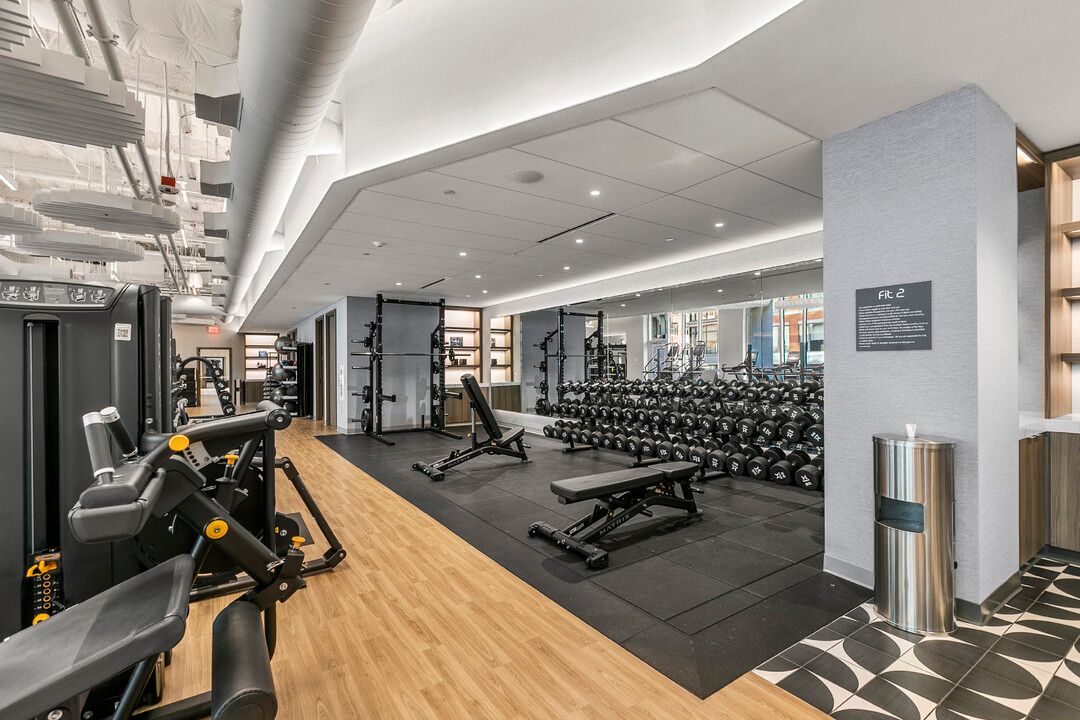
How to Choose the Right Gym Flooring for Different Workout Areas
Not all workouts put the same demands on a floor. Dropping heavy weights, running on a treadmill, and stretching through a yoga routine each require different levels of support and protection. Gym Flooring Dubai solutions are designed with exactly this in mind, offering options tailored to specific workout types rather than a one-size-fits-all surface. This guide explains how to choose the right gym floor based on how the space will actually be used.
Why Gym Flooring Matters
The right gym floor does more than just look functional — it directly affects safety, comfort, and how well the space performs over time. Proper flooring provides shock absorption during high-impact movements, protects both joints and the subfloor beneath, and helps reduce noise from dropped weights or footfall. Without suitable flooring, workout spaces are more prone to damage, slips, and discomfort, especially in areas used for repetitive or intense training.
Flooring for Weight Training Areas
Weight training zones need flooring that can absorb heavy impact without cracking or shifting. Rubber gym flooring is the standard choice here, as it offers strong impact resistance and helps prevent damage to both the equipment and the subfloor from dropped weights. Thicker rubber tiles or interlocking mats are typically used in these areas, since added thickness improves shock absorption and floor protection during heavy lifting sessions.
Flooring for Cardio and Fitness Zones
Cardio areas, including spaces for treadmills, bikes, and other fitness equipment, benefit from flooring that balances stability with comfort. Anti-fatigue flooring properties are especially useful here, reducing strain on joints during longer sessions of repetitive movement. Slip-resistant flooring is also important in cardio zones, where sweat and movement increase the risk of slipping if the surface lacks adequate grip.
Flooring for Functional Training and Stretching
Functional training and stretching areas often require a slightly different approach, since these spaces involve varied movement patterns rather than concentrated impact in one spot. A slightly softer rubber surface can provide comfort for floor-based exercises while still offering enough stability for functional movements like jumps or agility drills. Flooring in these zones should also be easy to clean, given the frequent contact with hands, mats, and bare skin during stretching routines.
Rubber Tiles vs Rubber Rolls
Gym flooring is typically available in two main formats: tiles and rolls. Gym floor tiles are modular, making them easier to install, replace individually if damaged, and adapt to irregular room shapes. Gym floor rolls, on the other hand, create a more seamless surface with fewer seams, which can be advantageous in larger, uniform spaces where continuous coverage is preferred. The right choice often depends on room size, layout complexity, and how frequently sections might need replacing over time.
Choosing the Right Flooring Thickness
Thickness plays a major role in how well gym flooring performs under different conditions. Thinner flooring, often used in cardio or stretching areas, provides adequate comfort without excessive cushioning that could affect stability. Thicker flooring, generally recommended for weightlifting zones, offers superior shock absorption and floor protection against dropped weights and heavy equipment. Selecting the appropriate thickness for each zone helps balance safety, comfort, and equipment protection throughout the space.
Safety, Grip and Impact Protection
Traction is a critical safety factor in any workout space. Slip-resistant flooring reduces the risk of falls, particularly in areas prone to sweat or moisture buildup. Impact protection is equally important, not only for reducing injury risk but also for minimizing wear on both the floor and any equipment used above it. A textured rubber surface generally offers a good balance of grip and cushioning suitable for most workout types.
Gym Flooring for Home and Commercial Spaces
Home gym flooring needs to balance performance with practicality, often fitting into a smaller, multi-purpose room. Interlocking rubber tiles are a popular choice here, since they're easy to install without professional help and can be reconfigured if the space changes use. Commercial gym flooring, by contrast, must withstand constant heavy use across weight rooms, cardio areas, and studio spaces, making durability and noise reduction particularly important in shared, high-traffic fitness centers.
Cleaning and Maintenance Requirements
Gym flooring maintenance is generally straightforward, particularly with rubber surfaces designed for durability. Regular sweeping or vacuuming removes dust and debris, while damp mopping with a mild cleaner helps manage sweat and general grime. Avoiding harsh solvents preserves the rubber's texture and grip over time, ensuring the flooring continues to perform safely across repeated use.
Common Gym Flooring Mistakes
A frequent mistake is using flooring that's too thin for weight training areas, leading to subfloor damage or increased noise. Choosing rolls where tiles would allow easier repairs, or vice versa, can also create unnecessary maintenance challenges later. Skipping proper installation preparation, such as ensuring a level subfloor, is another common issue that can shorten the flooring's lifespan.
Conclusion
Choosing the right gym flooring comes down to understanding how each area of the space will be used, from heavy weightlifting to cardio and stretching. By considering thickness, format, traction, and maintenance needs, both home and commercial gyms can create safer, longer-lasting workout environments. For those exploring flooring solutions suited to their specific fitness space, Gym Flooring Dubai (https://fixitdesigndubai.ae/gym-flooring-dubai/) offers a practical starting point.
Appreciate the creator