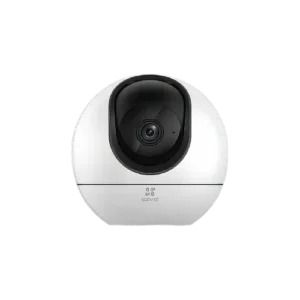
How to Choose a Door Phone Intercom System
A reliable entrance communication system can make it easier to identify visitors and control access to a property. Whether you are securing a family home, apartment building, office, clinic, school, or commercial facility, choosing the right door phone intercom system (https://www.larksolutions.pk/product/ezviz-hp7-2k-smart-home-video-doorphone/) requires more than simply selecting the most affordable option. The system should match the property's layout, communication requirements, installation conditions, and expected level of security.
Modern intercom solutions are available with different communication methods, cameras, door release functions, displays, and connectivity options. Some systems are designed for simple voice communication, while others provide video monitoring and remote access. Understanding these differences can help buyers select equipment that provides practical value over the long term.
Understand Your Security Requirements
The first step is to determine why the intercom system is needed. A small house may require a simple unit that allows residents to communicate with someone standing outside the entrance. A larger property may need multiple indoor stations, outdoor panels, cameras, and access control functions.
Consider how many entrances need to be monitored and how many people will use the system. If the property has a main gate, pedestrian entrance, and separate building entrance, a multi-station solution may be more suitable than a basic single-door setup.
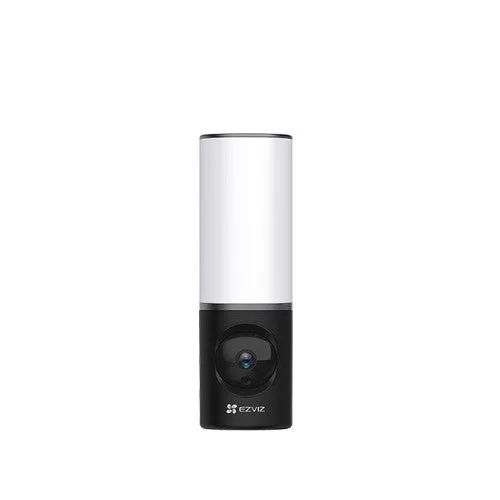
It is also useful to consider whether visitors need to be visually identified before the door or gate is opened. Video-enabled systems can provide an additional layer of awareness by allowing occupants to see the person outside.
Choose Between Audio and Video Communication
Audio intercoms are generally suitable when voice communication is the primary requirement. They can be useful for apartments, offices, residential gates, and locations where visual identification is not essential.
Video systems provide additional information because users can see visitors before granting access. Depending on the model, the outdoor unit may include a camera, microphone, speaker, and call button, while the indoor monitor can display the visitor's image.
For properties where security is a major concern, video communication can be particularly useful. It can help occupants identify delivery personnel, guests, workers, or unfamiliar visitors without opening the entrance.
Consider Wired and Wireless Connectivity
Connectivity is one of the most important factors when selecting an intercom. Traditional wired systems can provide stable communication and are often suitable for new construction projects where cables can be installed during the building process.
Wireless solutions can be more convenient for completed properties where installing new cables would require extensive modification. A wireless intercom (https://www.larksolutions.pk/product/ezviz-dp2c-wire-free-peephole-doorbell/) can reduce the need for physical wiring between certain components, depending on the system's design and communication method.
However, wireless connectivity should be evaluated according to the property's construction, distance between devices, walls, interference, and network conditions. A solution that works well in a small house may not provide the same performance across a large building.
Check the Door Release Function
An intercom becomes more useful when it can work with an electronic door or gate release mechanism. This allows an occupant to communicate with a visitor and unlock the entrance without physically walking to the door.
Before purchasing, check whether the intercom supports the type of lock or access mechanism already installed. Compatibility may vary between electric strikes, magnetic locks, automated gates, and other access-control equipment.
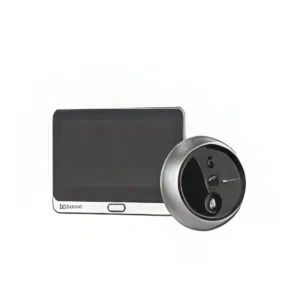
For offices and multi-unit buildings, integration with access control can make visitor management more convenient. It can also reduce unnecessary movement around the property when staff need to verify visitors.
Evaluate Camera Quality and Night Performance
For video intercoms, camera performance should not be overlooked. Resolution is important, but it is not the only factor affecting image quality. Lens coverage, exposure handling, low-light performance, and positioning can all influence how clearly visitors can be identified.
If the entrance is poorly illuminated, choose a system capable of producing usable images in low-light conditions. Some models include infrared illumination or other technologies designed for nighttime monitoring.
The camera should also cover the appropriate viewing area. A narrow viewing angle may make it difficult to see visitors who stand slightly away from the center of the entrance.
Consider Audio Quality
Clear two-way communication is essential for an intercom. A visitor should be able to hear the occupant clearly, while the occupant should also be able to understand the visitor without excessive background noise.
Look for equipment with a suitable microphone and speaker arrangement. Noise reduction and echo management can be helpful in busy environments where traffic, machinery, wind, or other sounds may interfere with communication.
For outdoor installations, the speaker and microphone should also be designed for the conditions in which they will operate.
Assess Installation Requirements
Installation requirements can vary significantly between different intercom systems. Wired equipment may require cable routing through walls, ceilings, gates, or conduits. Wireless systems can reduce some installation challenges but still require appropriate placement and power arrangements.
Before purchasing equipment, inspect the distance between the entrance and indoor monitor. Also consider wall construction, available electrical outlets, network coverage, and the location of existing access-control equipment.
Professional installation can be especially important for larger properties because incorrect positioning or wiring can affect communication reliability and security.
Compare Features With the Intercom Price in Pakistan
Cost is naturally an important consideration, but the lowest purchase price does not always represent the best value. Property owners can assess the intercom price in Pakistan (https://www.larksolutions.pk/product/ezviz-lc3-smart-security-wall-light-camera/) by considering system capacity, installation conditions, communication range, and long-term usage requirements.
A basic audio unit may have a lower initial cost, while a video system with multiple monitors, remote access, door release functionality, and additional security features may cost more. Installation, cabling, power supplies, locks, and other accessories can also affect the total project cost.
Instead of comparing prices based only on the main unit, calculate the complete installation requirement. This provides a more realistic understanding of the investment.
Think About the Number of Users
The number of people using the system should influence the selection. A single-family home may only need one indoor station, while an apartment building could require communication between several residential units and the entrance.
Offices may also benefit from multiple indoor stations if reception, security staff, and management need to respond to visitors.
Choosing equipment with appropriate expansion capabilities can be beneficial if the property may grow in the future. Replacing an entire system later can be more expensive than selecting a scalable solution from the beginning.
Check Power Requirements
Power reliability is another important factor. Intercom equipment needs a dependable power source to maintain communication and access-control functions.
In areas where electricity interruptions are common, buyers should consider whether backup power can be integrated into the system. A suitable backup arrangement can help maintain essential communication during temporary power failures.
For wireless units, battery requirements should also be considered. Check battery life, charging requirements, and how easily batteries can be replaced if applicable.
Consider Weather Resistance for Outdoor Units
The entrance panel is normally installed outdoors, which means it may be exposed to rain, dust, humidity, heat, and temperature changes. Outdoor equipment should therefore be selected according to the environmental conditions at the installation location.
A durable enclosure and suitable weather protection can help improve long-term reliability. The mounting position should also protect the equipment from unnecessary exposure while maintaining a clear view of visitors.
Look at Future Expansion
Security requirements can change as a property develops. A homeowner may later add another entrance, while a business may expand into additional offices or floors.
Selecting an expandable system can make future upgrades easier. Before purchasing, determine whether additional indoor monitors, outdoor panels, cameras, or access-control devices can be integrated.
This approach can reduce the need for major replacement work when the property's requirements increase.
Prioritize Reliability and Ease of Use
A sophisticated system is only useful if occupants can operate it easily. Buttons, touchscreens, call functions, door release controls, and visitor notifications should be straightforward.
Reliability should also be considered alongside features. A system that provides consistent communication and dependable access control can be more valuable than one with numerous functions that are rarely used.
Buyers should therefore focus on practical features that support everyday security rather than selecting equipment simply because it has a long list of specifications.
Appreciate the creator