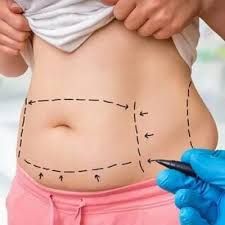
How Tajmeels Clinic Evaluates Patients for Liposuction in Dubai
Liposuction is a cosmetic surgical procedure designed to remove localised fat deposits and improve body contours. For people considering Liposuction in Dubai (https://tajmeels.ae/en/plastic-surgery/liposuction-surgery-in-dubai/), an initial evaluation helps determine whether the procedure is appropriate for their body shape, health status, and aesthetic goals.
A thorough assessment is important because liposuction is not a weight-loss treatment or a solution for every body concern. It is generally intended for people with persistent areas of fat that remain despite a balanced diet and regular physical activity. A qualified medical professional must assess each patient's circumstances before recommending surgery.
The evaluation process also helps patients understand realistic outcomes, possible limitations, recovery requirements, and potential complications before making an informed decision.
Reviewing Medical History and Overall Health
One of the first steps in a liposuction assessment is reviewing the patient's medical history. General health can influence surgical suitability, anaesthesia planning, healing, and the risk of complications.
During the consultation, the medical professional may ask about existing medical conditions, previous operations, allergies, current medications, and supplements. Smoking habits, alcohol consumption, and any history of bleeding or clotting problems may also be relevant.
Patients should provide accurate information about their health and disclose any previous complications associated with surgery or anaesthesia. Certain conditions may require additional investigations, medical clearance, postponement, or an alternative approach.
This stage is not simply a formality. It helps the treating team identify potential risks and decide whether liposuction can be considered safely. If the procedure is unsuitable, the patient should receive a clear explanation of the concerns and possible alternatives.
Assessing Fat Distribution and Target Areas
Every patient has a different body structure and pattern of fat distribution. Some people are concerned about the abdomen and waist, while others want to address the thighs, hips, upper arms, back, or another specific area.
A physical examination helps the clinician evaluate the location, amount, and characteristics of the fat deposits. The assessment may also consider body proportions and how the targeted area relates to the surrounding contours.
For example, abdominal liposuction planning may differ from treatment involving the thighs or upper arms. Each area has distinct anatomical features that influence surgical planning and the potential result.
The clinician should also establish whether the patient's expectations match what liposuction can realistically achieve. Removing localised fat may improve contour, but it does not guarantee perfect symmetry or a particular body shape.
Evaluating Skin Elasticity and Tissue Quality
Skin elasticity is another important consideration when assessing a candidate for liposuction. After fat is removed, the skin needs to adapt to the body's new contours. The degree of adaptation varies between individuals.
The medical professional may examine skin firmness, existing looseness, stretch marks, and the quality of the underlying tissues. Age, genetics, previous weight changes, pregnancy, and natural skin ageing can influence these characteristics.
Patients with relatively good skin elasticity may experience better skin adaptation after fat removal. However, people with significant loose skin may need to discuss whether liposuction alone is likely to address their concerns.
In some cases, another procedure or a different treatment plan may be more appropriate. Understanding these limitations before surgery helps patients make realistic decisions and reduces the likelihood of disappointment.
Discussing Weight Stability and Personal Goals
Liposuction is generally most suitable for people who are near a stable, healthy weight and have specific areas of unwanted fat. Significant weight fluctuations can affect the long-term appearance of the treated area.
During the consultation, the clinician may discuss recent weight changes, lifestyle habits, and future plans that could influence the results. Patients should understand that liposuction does not prevent future weight gain or replace healthy daily habits.
Personal goals are equally important. One patient may want a more defined waistline, while another may be concerned about the appearance of the upper arms. The assessment should focus on the individual's priorities rather than applying the same treatment approach to everyone.
Clear communication allows the clinician to explain which improvements may be achievable and which concerns may remain after treatment.
Explaining Risks, Recovery, and Expected Results
A responsible liposuction evaluation includes a discussion of the procedure's potential benefits and risks. Possible complications include infection, bleeding, fluid accumulation, contour irregularities, changes in skin sensation, and complications related to anaesthesia. Blood clots and other serious complications can also occur.
Patients should receive information about the proposed surgical technique, anaesthesia, preparation requirements, and follow-up care. Recovery can involve bruising, swelling, soreness, and temporary restrictions on physical activities. Compression garments may be recommended, depending on the surgical plan.
The final contour develops gradually as swelling subsides, and recovery times vary. Patients should not expect immediate final results or assume that every individual will achieve the same outcome.
A detailed discussion gives patients an opportunity to ask questions and understand the practical responsibilities involved in surgery.
How Tajmeels Clinic Approaches Patient Evaluation
At tajmeels clinic dubai (https://tajmeels.ae/en/), patients considering liposuction should have the opportunity to discuss their body-contouring concerns, medical background, and desired outcomes during a consultation. An appropriate evaluation should consider health history, fat distribution, skin quality, and individual expectations before any treatment recommendation is made.
Personalised planning is important because the most suitable approach depends on the patient's anatomy and clinical circumstances. The consultation should also clarify the procedure's limitations, possible risks, recovery requirements, and whether further medical assessment is necessary.
Patients should confirm the qualifications of the operating surgeon, the surgical facility's credentials, and the arrangements for anaesthesia and follow-up care. These checks support informed decision-making and help patients understand the standards of care involved.
The aim of an evaluation is not simply to determine whether a patient wants liposuction, but whether the procedure is medically appropriate and likely to address their concerns within realistic limits.
Who May Be a Suitable Candidate for Liposuction?
A potential candidate generally has localised fat deposits, a relatively stable weight, and realistic expectations about body contouring. Good overall health and an understanding of the recovery process are also important considerations.
However, suitability cannot be determined from appearance or weight alone. Pregnancy plans, certain medical conditions, smoking, medication use, skin laxity, and individual surgical risks may affect the decision.
People seeking major weight reduction or treatment for significant excess skin may need different options. Only an appropriate medical assessment can establish whether liposuction is suitable for an individual patient.
Making an Informed Decision About Liposuction in Dubai
Choosing liposuction involves more than selecting a treatment area. A comprehensive evaluation helps identify potential risks, assess body-contouring goals, and establish realistic expectations before surgery.
Patients should take time to discuss their concerns, understand the proposed plan, and review recovery and follow-up arrangements. Asking clear questions and providing complete medical information can make the consultation more productive.
Ultimately, the purpose of a liposuction evaluation is to support patient safety and informed choice. A personalised medical assessment provides a more responsible starting point for deciding whether liposuction in Dubai aligns with an individual's health needs and aesthetic goals.
More Information
Tajmeels Clinic Dubai
WhatsApp: +971 56 203 8751 (https://api.whatsapp.com/send?phone=971562038751&text=%0A%E2%80%AC)
Phone: tel:+971 43739000
Social Media:
Facebook (https://www.facebook.com/people/Tajmeels-Clinic/61592863252149/)
Instagram (https://www.instagram.com/tajmeelsclinic.ae/)
YouTube (https://www.youtube.com/@TajmeelsClinic-wr3ni)
Pinterest (https://www.pinterest.com/tajmeelsclinicae/)
Appreciate the creator