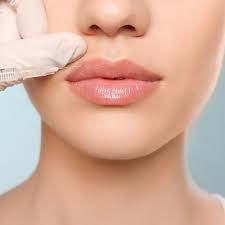
How Tajmeels Clinic Assesses Facial Features Before Recommending Fillers
Dermal Fillers in Dubai (https://tajmeels.ae/en/cosmetic-injectables/fillers-injection-in-dubai/) are injectable treatments used to restore lost facial volume, soften certain lines, and enhance selected facial features. However, achieving natural-looking results involves more than choosing a filler or focusing on a single area. Every face has unique proportions, contours, and structural characteristics that influence treatment planning.
A professional facial assessment helps determine whether fillers are appropriate for an individual's concerns and which areas may benefit from treatment. In Dubai, patients considering facial fillers should understand why an individualized evaluation matters before proceeding.
At Tajmeels Clinic, facial assessment can help guide discussions about treatment suitability, aesthetic preferences, and realistic expectations. The aim is to consider facial harmony rather than simply adding volume to a particular feature.
Evaluating Overall Facial Proportions
One of the first considerations in filler planning is the relationship between different facial features. The cheeks, chin, jawline, lips, and under-eye area contribute to the overall appearance of the face. Changes in one area can influence how surrounding features appear.
A facial assessment considers these relationships instead of examining each feature in isolation. For example, adding volume to the cheeks may influence the perceived balance of the lower face, while chin enhancement may change the visual proportions of the profile.
The assessment may include:
Facial symmetry: Identifying natural differences between the left and right sides of the face.
Facial contours: Examining the transitions between the cheeks, temples, jawline, and chin.
Feature relationships: Understanding how the lips, nose, chin, and cheeks relate to one another.
Individual characteristics: Recognizing that facial proportions vary naturally between people.
Perfect symmetry is neither realistic nor necessary. The objective is to understand each person's existing anatomy and preferences before discussing possible treatment options.
Identifying Volume Loss and Specific Concerns
Facial volume can change with age, genetics, and fluctuations in body weight. Some individuals notice reduced cheek fullness, while others are concerned about fine lines, lip definition, or changes in their jawline.
During an assessment, the practitioner evaluates the specific concern and considers whether volume loss is actually responsible for the appearance the patient wants to address.
For example, under-eye hollows may have several contributing factors, and fillers are not suitable for every patient. Similarly, lines around the mouth may relate to skin quality, facial movement, or structural changes rather than volume loss alone.
Understanding the underlying concern helps prevent unnecessary treatment. It also allows the practitioner to explain whether dermal fillers may offer a reasonable option or whether another approach would be more appropriate.
Considering Skin Quality and Facial Anatomy
Skin condition and underlying facial anatomy are important parts of responsible filler planning. Skin thickness, elasticity, existing tissue support, and the characteristics of the treatment area can influence the suitability and expected outcome of an injectable procedure.
The practitioner should also consider relevant medical history, previous filler treatments, allergies, medications, and any history of complications from injectables. Previous treatments may affect the available options and the way a new procedure should be approached.
Certain areas, particularly around the nose, forehead, and eyes, have important blood vessels and require careful anatomical knowledge. Dermal fillers can rarely cause serious complications, including vascular occlusion, tissue damage, and vision loss.
A thorough evaluation therefore involves more than aesthetic preferences. It requires clinical judgment, knowledge of facial anatomy, and an understanding of treatment-specific risks.
Matching Filler Options to Individual Goals
Not all dermal fillers are designed for the same purpose. Different products have different characteristics, including their consistency, flexibility, and capacity to provide structural support or subtle volume.
After evaluating the face, a qualified practitioner can discuss which products and treatment approaches may be suitable for the patient's needs. The decision should account for the treatment area, desired degree of enhancement, medical considerations, and potential risks.
For example, lip filler planning may focus on definition and proportion, while cheek filler planning may consider contour and volume support. Jawline and chin treatments involve different anatomical considerations and should not automatically follow the same approach.
Patients should receive clear information about expected outcomes, limitations, alternatives, and possible side effects before agreeing to treatment. No specific filler can guarantee a particular result, and individual responses vary.
Discussing Natural-Looking Results and Realistic Expectations
A facial assessment also creates an opportunity to discuss the patient's preferred appearance. Some people want a subtle refresh, while others are interested in more noticeable changes to a particular feature.
A responsible consultation explores these preferences without promising perfection. The practitioner should explain what fillers can realistically achieve, how long results may last, and whether staged treatment or no treatment may be the most appropriate option.
Natural-looking outcomes depend on several factors, including facial anatomy, product selection, technique, and the amount of filler used. More product does not necessarily mean a better result.
Patients should also understand that swelling, bruising, and tenderness can occur after treatment. Final appearance may take time to settle, and additional filler should not be considered until the practitioner has evaluated the result and healing process.
The Role of Tajmeels Clinic in Personalized Filler Planning
At tajmeels clinic dubai (https://tajmeels.ae/en/), an individualized approach to facial fillers should begin with understanding the patient's concerns and evaluating their facial features. A consultation provides an opportunity to discuss treatment goals, relevant medical history, facial proportions, and the suitability of available options.
Rather than assuming that every patient needs the same treatment, personalized planning considers the features the patient wishes to address and whether fillers are clinically appropriate. Patients should be encouraged to ask questions about the proposed product, practitioner qualifications, risks, aftercare, and follow-up arrangements.
Clear communication supports informed decision-making. If a concern is unlikely to improve with fillers, an appropriate consultation should explain the limitations and discuss alternatives where relevant. Treatment should proceed only after a qualified practitioner has assessed suitability and obtained informed consent.
Preparing for a Facial Filler Consultation in Dubai
Patients can make their consultation more productive by preparing a few questions in advance. Consider asking:
Which facial concerns could fillers reasonably address?
What are the risks associated with treating the proposed area?
Which filler product is being considered, and why?
What results and recovery time should I expect?
What alternatives are available if fillers are unsuitable?
What follow-up care is provided if complications occur?
Share your medical history and disclose previous cosmetic procedures. Do not stop prescribed medication without advice from the healthcare professional responsible for your care.
Conclusion
Assessing facial features before recommending dermal fillers is essential for individualized treatment planning. Facial proportions, volume distribution, skin quality, anatomy, medical history, and personal goals all contribute to the decision.
For patients considering fillers in Dubai, a thorough consultation helps clarify suitability, realistic outcomes, and potential risks. A thoughtful approach prioritizes facial harmony, patient safety, and informed choices rather than unnecessary enhancement.
More Information
Tajmeels Clinic Dubai
WhatsApp: +971 56 203 8751 (https://api.whatsapp.com/send?phone=971562038751&text=%0A%E2%80%AC)
Phone: tel:+971 43739000
Social Media:
Facebook (https://www.facebook.com/people/Tajmeels-Clinic/61592863252149/)
Instagram (https://www.instagram.com/tajmeelsclinic.ae/)
YouTube (https://www.youtube.com/@TajmeelsClinic-wr3ni)
Pinterest (https://www.pinterest.com/tajmeelsclinicae/)
Appreciate the creator