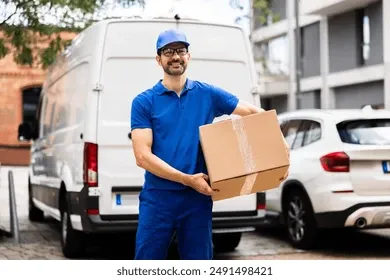
How Same Day Delivery Is Changing eCommerce
Introduction
In today’s on-demand world, consumer expectations have reached unprecedented heights—particularly when it comes to shipping speed. One of the most revolutionary changes in online retail is the rise of same day delivery, a service that once seemed like a luxury but is now becoming the new standard. From groceries and electronics to fashion and medical supplies, customers now expect their orders to arrive within hours, not days. This shift is forcing eCommerce businesses of all sizes to rethink logistics, inventory management, and customer service strategies. In this blog, we explore how same day delivery is transforming the eCommerce industry, enhancing customer satisfaction, and reshaping the future of retail logistics.
The Evolution of Consumer Expectations
Over the past decade, consumer behavior has undergone a massive transformation, heavily influenced by convenience and instant gratification. Modern shoppers are digitally savvy and used to quick results—streaming content instantly, ordering food with a few taps, and now, expecting products to be delivered the same day they buy them. This trend is particularly visible among younger consumers and urban dwellers who prioritize speed and flexibility over traditional delivery models. As a result, the demand for Same Day Delivery has skyrocketed. Businesses that fail to meet these new expectations risk losing customer loyalty to competitors who can. Today’s buyer is not only comparing prices but also comparing delivery speed, making fulfillment a critical component of the overall customer experience.
Technology as the Backbone of Same Day Delivery
The growth of same day delivery would not be possible without advanced technology. Real-time inventory systems, GPS tracking, route optimization software, and warehouse automation have all played essential roles in making ultra-fast delivery feasible. Mobile apps now allow customers to track their parcels in real time, receive instant updates, and communicate directly with couriers. Artificial intelligence and machine learning are being used to predict order trends, optimize delivery routes, and reduce the chance of delays. Additionally, automated picking systems and strategically located fulfillment centers enable orders to be processed and dispatched within minutes of purchase. Norwest Logistic Management has implemented several of these innovations to provide clients with flexible and data-driven delivery services that meet the expectations of modern shoppers. In essence, technology is the invisible engine behind same day delivery, powering everything from customer interfaces to final-mile logistics.
The Impact on Inventory and Warehousing Strategies
To meet the demands of same day delivery, eCommerce businesses have had to overhaul their inventory and warehousing practices. Traditional centralized warehouses are no longer sufficient when customers expect products within hours. Instead, many companies are adopting decentralized fulfillment models, utilizing micro-fulfillment centers located closer to high-demand urban areas. These small but efficient hubs enable faster picking and shipping, drastically cutting down on delivery times. Businesses are also increasingly relying on data analytics to forecast demand, optimize stock levels, and ensure the right products are available in the right locations. This shift not only accelerates the delivery process but also reduces logistics costs in the long run. Brands like Norwest Logistic Management help eCommerce sellers streamline inventory placement and supply chain flow to align with real-time demand patterns. The pressure to offer same day delivery has truly pushed logistics beyond traditional warehousing, making it a more dynamic and responsive system.
Role of Local Couriers and Gig Economy Drivers
A major enabler of same day delivery is the rise of local courier networks and gig economy drivers. Unlike traditional logistics services that rely on fixed schedules and larger transport fleets, gig-based couriers can respond flexibly and rapidly to individual delivery requests. This decentralized model allows companies to fulfill deliveries even during peak hours or holidays. Platforms like Uber, Zoom2u, and Sherpa in Australia have made it easy for eCommerce businesses to partner with local drivers for fast and efficient last-mile solutions. These couriers often use route optimization tools to consolidate multiple deliveries, reducing fuel consumption and delivery time. However, reliance on gig drivers also presents challenges in quality control, training, and scalability. As the gig economy matures, businesses must find ways to maintain service quality while leveraging this flexible labor force. Nonetheless, their contribution to making same day delivery a reality cannot be overstated.
Consumer Psychology and Instant Gratification
The success of same day delivery is deeply rooted in consumer psychology. Instant gratification is a powerful driver of purchasing behavior, especially in the digital age. The knowledge that a product can be received within hours often reduces hesitation and increases the likelihood of impulse buying. This phenomenon is particularly important in highly competitive markets such as fashion, beauty, and electronics, where customer loyalty is fleeting, and the decision window is short. Retailers that offer Same Day Package Delivery often report higher conversion rates and reduced cart abandonment. Moreover, quick delivery enhances customer satisfaction, builds trust, and leads to repeat purchases. Consumers associate speed with efficiency, professionalism, and reliability, giving businesses that offer fast shipping a competitive edge. In essence, the ability to deliver products almost instantly creates a more emotional, gratifying shopping experience that fosters stronger brand relationships.
Competitive Advantage for Small and Medium Businesses
While large retailers like Amazon and eBay have set the standard for same day delivery, smaller and medium-sized businesses are increasingly stepping up to compete. Advances in third-party logistics, shipping platforms, and courier integrations have leveled the playing field. Today, even boutique stores and independent sellers can offer expedited delivery by partnering with local couriers or using software that automates dispatch and routing. This service enables them to differentiate themselves from larger competitors by offering a personalized, high-touch customer experience combined with speed. It’s not just about delivering faster—it’s about exceeding expectations. In this environment, a small online store with strong local presence can match, and sometimes even outperform, corporate giants. By adopting agile shipping strategies and aligning with partners like Norwest Logistic Management, SMBs can tap into reliable and scalable delivery networks that make same day delivery both possible and profitable.
Environmental Concerns and Sustainable Practices
While same day delivery satisfies consumer demand for speed, it also raises valid concerns about environmental impact. Frequent and fast deliveries often require more vehicles on the road, increasing emissions and urban congestion. To address this, logistics providers are investing in eco-friendly practices such as electric delivery vans, bike couriers, and carbon offset programs. Warehousing strategies are also being optimized to reduce excess inventory movement and improve route planning. Consumers are becoming more environmentally conscious and are beginning to favor companies that offer sustainable delivery options—even if it means paying slightly more or receiving consolidated shipments. In 2025, sustainability is no longer a marketing slogan; it's a key differentiator in the logistics industry. Brands that can offer same day delivery while demonstrating a commitment to the environment are more likely to win customer trust and long-term loyalty.
Cost Implications and Profit Margins
Offering same day delivery can be expensive, particularly for businesses operating on tight margins. The logistical complexity of picking, packing, and delivering within hours increases labor, fuel, and infrastructure costs. Many retailers struggle to absorb these costs without passing them onto customers. However, research shows that consumers are often willing to pay a premium for fast shipping, especially when purchasing urgent or high-value items. Subscription models, delivery fee thresholds, and bundling strategies can help offset operational costs while maintaining customer satisfaction. Retailers must also analyze delivery frequency, customer location density, and average order value to determine the feasibility of offering this service. Technology plays a key role here, enabling businesses to forecast demand, reduce delivery failure rates, and optimize routing. Ultimately, when executed strategically, same day delivery can become a profitable service that drives customer retention and justifies the higher logistics investment.
Same Day Delivery and the Future of Retail
The rise of same day delivery is not a passing trend—it’s a fundamental shift in how consumers interact with brands and make purchasing decisions. As eCommerce continues to grow, this fulfillment model will become the norm rather than the exception. Retailers are already exploring ways to further reduce delivery times, potentially moving toward one-hour or even drone-assisted delivery in the coming years. At the same time, physical stores are evolving into local fulfillment centers, blurring the lines between online and offline shopping. The future of retail will be defined by agility, convenience, and customer experience. Companies that invest in smart logistics and real-time fulfillment will not only meet evolving consumer expectations but also secure a sustainable competitive advantage. In this context, same day delivery is more than a shipping option—it’s a strategic pillar of modern retail success.
Conclusion
In an age where time is a premium commodity, same day delivery has become a vital differentiator in the world of eCommerce. From shaping consumer behavior to redefining logistics and supply chain strategies, this fast-paced fulfillment model is pushing businesses to innovate and adapt. As the retail landscape continues to evolve, companies that embrace agility, technology, and customer-centric thinking will thrive in a market where speed is synonymous with value. With logistics partners like Norwest Logistic Management, businesses of all sizes can implement scalable, efficient same-day solutions that delight customers and enhance brand reputation. The future of retail is fast, intelligent, and customer-driven—and same day delivery is leading the way..
Appreciate the creator