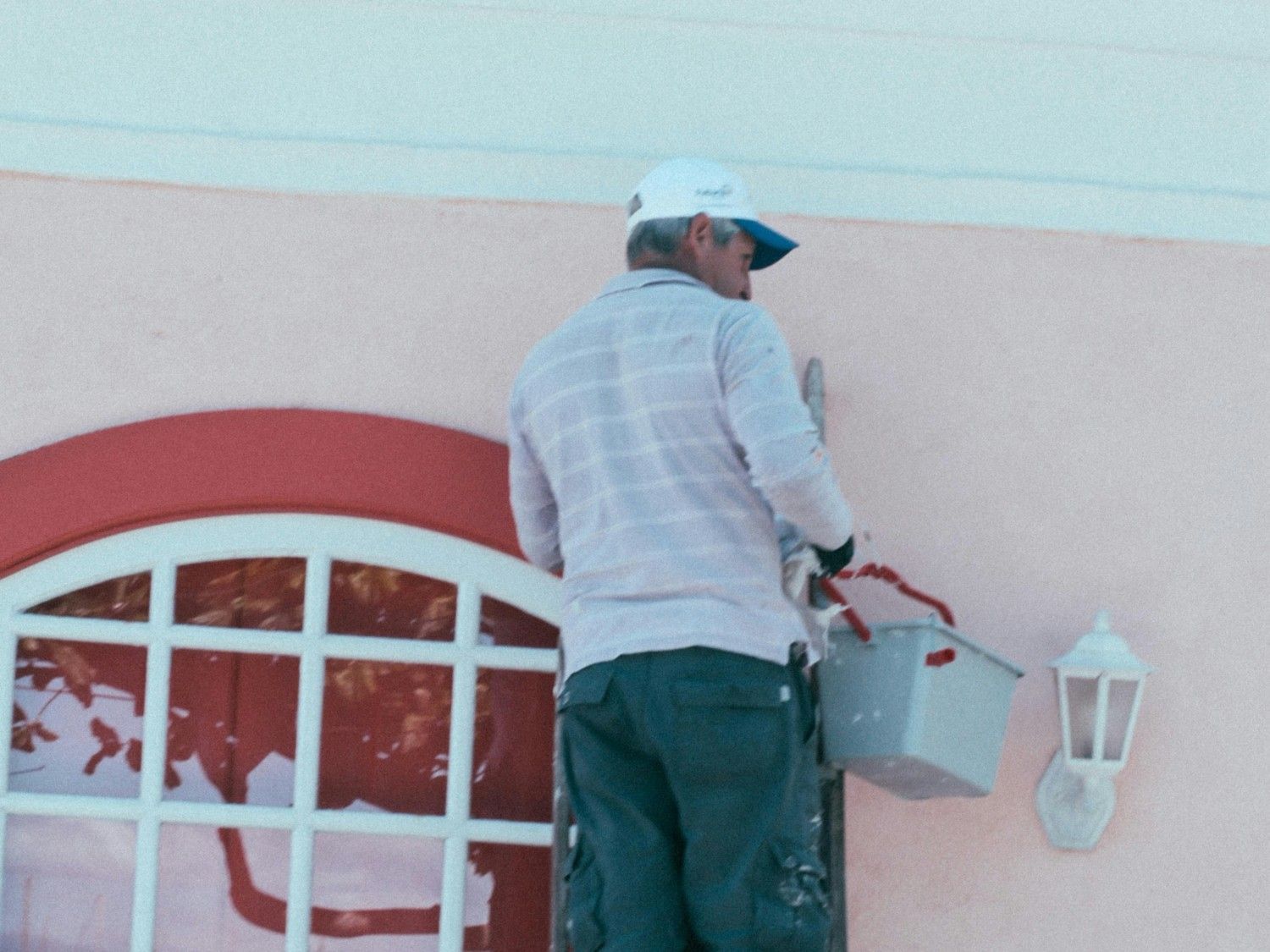
How Professional Exterior Painting Adds Value to Your Home?
Want to give your home a boost without tearing down walls or draining your savings? One of the smartest—and most overlooked—home upgrades is exterior painting.
A professionally painted exterior does far more than freshen up your curb appeal.
It offers a unique combination of aesthetic improvement, structural protection, and financial return, especially if you’re considering putting your home on the market or planning long-term value improvements.
Here’s how professional exterior painting can significantly increase your home’s value and why it might be one of the most cost-effective decisions you make as a homeowner.
1. It Instantly Improves Curb Appeal
First impressions matter—especially in real estate. Whether it’s a guest, an appraiser, or a potential buyer, the exterior of your home sets the tone before anyone even walks through the door.
A fresh coat of exterior paint can:
Modernize an outdated facade
Highlight architectural features
Make your home feel well-maintained and cared for
In competitive housing markets, buyers often make decisions based on emotional response. And a clean, updated exterior can nudge your home to the top of their list.
Pro Tip: Neutral and timeless colors like soft gray, warm beige, classic white, or navy blue tend to offer broad appeal and increase perceived home value.
2. It Offers a Surprisingly Strong ROI
Exterior painting is one of the few home improvement projects that combines visual impact with financial gain.
Various studies have shown that:
A well-executed exterior paint job can yield an ROI of 50% or more
In some cases, homes with freshly painted exteriors sell for up to $5,000–$10,000 more than similar homes without
Unlike large-scale renovations, which can take months and massive budgets, exterior painting offers a high-value transformation with a relatively modest investment.
3. It Protects Against Long-Term Damage
Paint isn’t just for looks—it acts as a barrier between your home’s structure and the elements.
Quality exterior paint helps protect against:
Moisture intrusion (which can lead to wood rot or mold)
UV damage from sun exposure
Pest infestations in vulnerable areas
Flaking, chalking, or surface erosion due to weather changes
This layer of protection can extend the lifespan of your siding, trim, and other exterior surfaces, saving thousands in repair costs over the years.
Think of it as annual maintenance that pays you back with peace of mind and property longevity.
4. It Signals Good Maintenance to Future Buyers
Even if you're not planning to sell right away, exterior painting sends a clear message: this home has been cared for.
Buyers look for move-in-ready homes and often shy away from properties that show visible signs of wear.
Thus, a newly painted exterior:
Makes your home feel fresher and newer
Reduces the buyer’s to-do list
Positions your home as a low-maintenance option
This can be a critical advantage when negotiating price or standing out in a crowded housing market.
5. Professional Work Shows — and Lasts Longer
While DIY projects may be tempting, professional painters bring more than just steady brushwork. They also bring:
Proper surface prep (power washing, scraping, priming)
Use of high-quality, long-lasting materials
Expertise with color coordination and finish selection
Consistency across siding, trim, shutters, and entry points
A professional paint job doesn’t just look better on day one—it maintains its finish for years longer than the average DIY attempt.
Bonus: Professional painters also understand climate-specific techniques and products, ensuring the paint holds up in your region’s weather conditions.
6. The Best Time to Repaint? Before It’s Obvious
Most homes need exterior painting every 5 to 10 years, depending on the material, location, and environmental exposure.
Waiting until your paint is peeling, cracking, or chalking could mean it’s already past due, and potentially cause damage underneath.
If you’re planning to sell your home, timing the repaint before listing gives it a polished, turn-key appearance that invites stronger offers.
Even if you’re staying put, repainting before visible decline helps you preserve the home’s value and avoid costly repairs later on.
Final Thoughts
Exterior painting is often underestimated, but few home upgrades offer its combination of curb appeal, structural protection, and value enhancement.
Whether you're improving your home for resale or simply building long-term equity, a fresh, professionally applied exterior finish can be a wise and rewarding investment.
It’s not just about color. It’s about confidence, protection, and maximizing the value of the place you call home.
Frequently Asked Questions About Exterior Painting
Q1. How often should I repaint the exterior of my home?
Most homes benefit from exterior repainting every 5 to 10 years, depending on factors like siding material, climate, and previous paint quality.
Homes in harsh weather regions or with poor ventilation may need more frequent touch-ups.
Q2. Does exterior painting increase home value?
Yes. A fresh coat of exterior paint can boost curb appeal, signal good maintenance, and improve buyer perception.
Many real estate experts estimate an ROI of 50% or more, especially when combined with neutral, market-friendly color choices.
Q3. What time of year is best for exterior painting?
Spring and fall are typically the best seasons due to moderate temperatures and lower humidity.
However, the ideal timing can vary by region—what matters most is that the weather is dry and stable for optimal paint adhesion.
Q4. Can exterior painting help protect my home?
Absolutely. Quality exterior paint acts as a barrier against moisture, UV rays, pests, and mold.
It also prevents damage to siding and trim, preserving both aesthetics and structural integrity over time.
Appreciate the creator