How Picture Books Build Confidence, Creativity, and Emotional Intelligence
Picture books are often a child’s first introduction to storytelling, imagination, and emotional understanding. Beyond their colorful illustrations and simple narratives, picture books play a powerful role in shaping a child’s inner world. They help children develop confidence, spark creativity, and build emotional intelligence—skills that influence learning, relationships, and self-expression for life.
In a world filled with screens and fast-paced digital content, picture books remain a timeless and meaningful tool for nurturing young minds. When children sit down with a story—alone or with a caregiver—they enter a safe space where emotions can be explored, ideas can grow, and self-belief can flourish.
Building Confidence Through Relatable Stories
Confidence begins with recognition. When children see themselves reflected in a story, they learn that their feelings, fears, and dreams matter. Picture books often feature characters who face challenges, make mistakes, and grow through experience. These moments quietly teach children that it’s okay not to be perfect—and that growth comes from trying.
Stories where characters overcome small obstacles, express emotions, or learn new skills help children internalize positive self-beliefs. Whether it’s a shy character finding their voice or a curious child exploring something new, these narratives reinforce the idea that every child is capable.
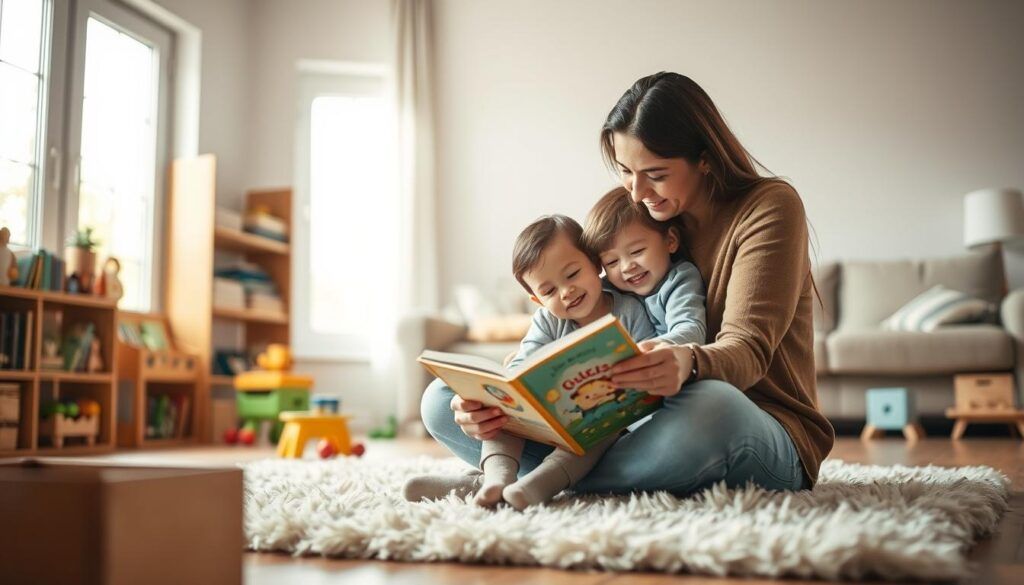
Reading picture books together also builds confidence through connection. When parents or caregivers engage in storytime, children feel heard and valued. Asking questions like “How do you think the character feels?” or “What would you do?” encourages children to express themselves freely—boosting communication skills and self-assurance.
Encouraging Creativity and Imagination
Picture books open doors to worlds beyond reality. With imaginative illustrations and poetic language, they invite children to think creatively and explore possibilities without limits. A simple story can inspire imaginative play, drawing, storytelling, or role-playing—activities that are essential for cognitive and creative development.
Children naturally think in images and symbols. Picture books support this by blending visual storytelling with words, helping young readers connect ideas in new ways. Through fantasy, rhythm, and artistic expression, books encourage children to think creatively and form original ideas.
This is where creative books for children truly shine. These books do more than tell a story—they invite readers to participate. Whether through open-ended illustrations, metaphorical language, or emotional depth, they empower children to imagine alternative endings, invent characters, or interpret meaning in their own way.
Creativity nurtured in early childhood becomes a foundation for problem-solving, innovation, and self-expression later in life. Picture books provide a gentle, joyful path toward that growth.
Developing Emotional Intelligence Early
Emotional intelligence—the ability to recognize, understand, and manage emotions—is one of the most important skills a child can develop. Picture books are uniquely suited to teach this because they present emotions in a clear, accessible, and non-threatening way.
Through stories, children learn to identify feelings such as joy, sadness, fear, frustration, and empathy. Seeing characters experience emotional moments helps children put words to their own feelings. Over time, this builds emotional awareness and emotional vocabulary.
Picture books also teach empathy. When children follow a character’s journey, they learn to see situations from another perspective. This understanding strengthens kindness, patience, and compassion—qualities essential for healthy relationships and social development.
Books that focus on everyday family life, friendships, and personal growth help normalize emotions and reassure children that what they feel is valid. These gentle lessons create emotional safety and resilience.
The Role of Parents and Caregivers
The impact of picture books is amplified when adults actively participate in the reading experience. Reading aloud, discussing illustrations, and connecting story themes to real life deepen a child’s understanding and emotional connection to the story.
Parents and caregivers don’t need to overanalyze a book to make it meaningful. Simple engagement—pausing to talk, asking reflective questions, or sharing personal experiences—helps children internalize lessons naturally.
Storytime also becomes a moment of bonding. In these quiet, shared moments, children associate learning with warmth, attention, and trust. This emotional connection reinforces the benefits of reading and encourages a lifelong love of books.
A Lasting Impact Beyond Childhood
The lessons children absorb from picture books stay with them long after the pages are turned. Confidence gained from relatable characters, creativity sparked by imaginative storytelling, and emotional intelligence nurtured through gentle lessons all contribute to a child’s long-term development.
Picture books are not just stepping stones to chapter books—they are powerful tools that shape character, values, and self-awareness. In nurturing these qualities early, we help children grow into thoughtful, creative, and emotionally grounded individuals.
In a fast-changing world, the simple act of reading a picture book remains one of the most effective ways to guide children toward confidence, creativity, and emotional strength—one story at a time.
Appreciate the creator