How Physiotherapy Treatment Helps Restore Strength and Mobility
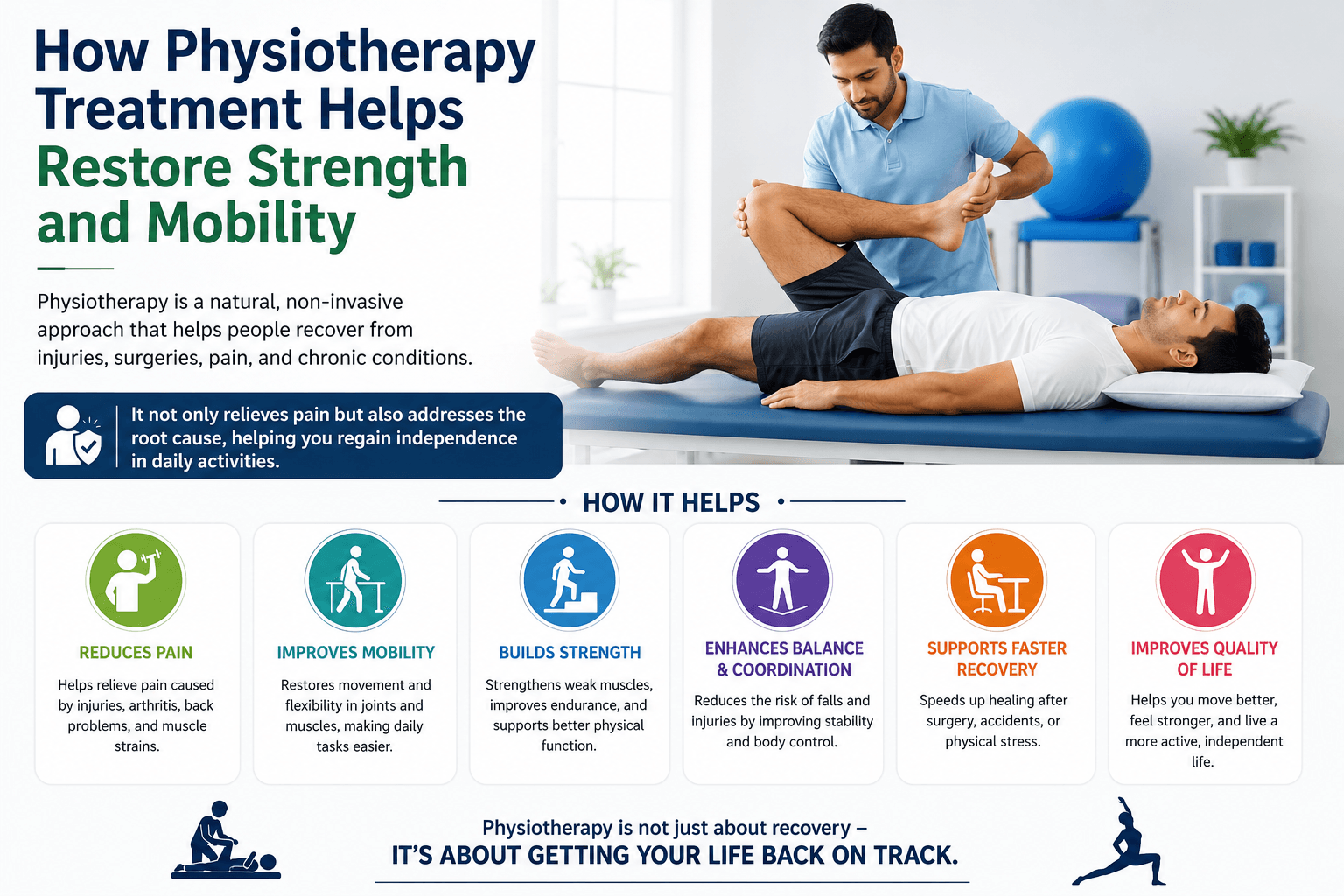
A sprained ankle, a stiff back after a long workday, or the slow struggle to move freely again after surgery — these are situations most people face at some point. What often gets overlooked is how much physiotherapy can speed up that recovery and prevent the same problem from coming back.
Physiotherapy isn't just for athletes or people recovering from major injuries. It plays a role in everyday health, from managing chronic pain to helping older adults stay steady on their feet. This guide explains how physiotherapy works, who benefits from it, and what to expect from treatment. At Mayom Hospital, our physiotherapy team works with patients across all age groups, from young sports injuries to post-surgical rehabilitation in older adults.
What Is Physiotherapy Treatment
Physiotherapy is a branch of healthcare focused on restoring movement and function when the body has been affected by injury, illness, surgery, or aging. A physiotherapist assesses how a person moves, identifies what's causing pain or limited mobility, and builds a treatment plan using exercises, hands-on techniques, and other tools.
The goal is simple: help the body move the way it's supposed to, with less pain and more strength. Treatment can be short-term, like recovering from a muscle strain, or ongoing, like managing a chronic condition such as arthritis.
Common Conditions That Benefit From Physiotherapy
Physiotherapy helps with a wide range of conditions, including:
Back and neck pain
Sports injuries like sprains and ligament tears
Post-surgical recovery, especially after joint replacements
Arthritis and joint stiffness
Stroke recovery and nerve-related weakness
Frozen shoulder and rotator cuff injuries
Balance issues in older adults
Postural problems from desk jobs
If pain or stiffness is limiting daily activities like walking, climbing stairs, or lifting objects, physiotherapy is usually one of the first treatments doctors recommend.
Why People in Gurgaon Are Turning to Physiotherapy More Often
Long working hours, desk jobs, and increasingly sedentary routines have made muscle and joint issues far more common among working professionals in Gurugram. Many people in their 30s and 40s now deal with back pain, neck stiffness, or shoulder discomfort that used to be seen mostly in older adults.
At the same time, more people are staying active through gyms, running, and sports, which brings its own share of injuries. This mix of desk-related strain and activity-related injuries is why the best physiotherapy treatment in Gurgaon (https://mayomhospital.com/) is now in higher demand than ever.
How a Physiotherapy Assessment Works
Before starting treatment, a physiotherapist evaluates:
Your medical history and current symptoms
Range of motion in the affected area
Muscle strength and flexibility
Posture and movement patterns
Pain triggers and daily activity limitations
This assessment helps the physiotherapist understand not just where the pain is, but why it's happening. Two people with the same symptom, like knee pain, might need completely different treatment plans depending on the root cause.
Treatment Techniques Used in Physiotherapy
Physiotherapy treatment plans are rarely one-size-fits-all. Depending on the condition, a physiotherapist may use a combination of:
Manual therapy: Hands-on techniques to reduce stiffness and improve joint movement
Therapeutic exercises: Targeted movements to rebuild strength and flexibility
Electrotherapy: Techniques like ultrasound or TENS to reduce pain and inflammation
Postural correction: Guidance on sitting, standing, and movement habits
Gait training: Helping patients relearn safe walking patterns after injury or surgery
Balance training: Especially useful for older adults at risk of falls
The right combination depends on the specific injury, the patient's age, and their overall health.
Physiotherapy Treatment Comparison
Approach
Best For
What It Involves
Manual therapy
Joint stiffness, muscle tightness
Hands-on stretching and mobilization
Exercise therapy
Strength rebuilding, injury recovery
Guided movements and resistance work
Electrotherapy
Pain and inflammation
Machine-assisted pain relief techniques
Gait and balance training
Post-surgery recovery, elderly care
Walking practice and stability exercises
Benefits of Physiotherapy Treatment
Physiotherapy offers benefits that go beyond just pain relief:
Restores strength and flexibility gradually and safely
Reduces dependence on pain medication over time
Helps prevent re-injury through better movement habits
Supports faster recovery after surgery
Improves balance and reduces fall risk in older adults
Builds long-term body awareness and posture habits
For many patients, the biggest benefit is simply getting back to daily activities, like playing with kids, walking without discomfort, or returning to a sport, without relying on pain management alone.
What Recovery Typically Looks Like
Recovery timelines vary widely depending on the condition and how consistently a patient follows their treatment plan. A mild muscle strain might improve within a few weeks, while recovery from major surgery, like a knee replacement, can take several months of structured therapy.
Here's a general idea of what recovery phases often look like:
Phase
Focus
Typical Duration
Early phase
Pain and swelling management
First 1–2 weeks
Middle phase
Rebuilding strength and mobility
3–8 weeks
Late phase
Returning to normal activity
2–6 months, depending on condition
These timeframes are general estimates. Actual recovery depends on the individual, so it's always best to follow the specific plan given by your physiotherapist.
How to Get the Most Out of Physiotherapy
Physiotherapy works best when patients stay consistent. A few things that make a real difference:
Attending sessions as scheduled, not just when pain flares up
Doing prescribed home exercises between sessions
Being honest with your physiotherapist about pain levels and progress
Avoiding activities that aggravate the injury before it's fully healed
Asking questions if a technique or exercise feels unclear
Skipping sessions or stopping early, once pain reduces slightly, is one of the most common reasons people don't get the full benefit of treatment.
When to See a Doctor or Physiotherapist
Not every ache needs professional treatment, but certain signs suggest it's time to get evaluated:
Pain that lasts more than a couple of weeks
Swelling that doesn't go down with rest
Difficulty bearing weight on a leg or using an arm normally
Reduced range of motion that affects daily tasks
Recurring injuries in the same area
Numbness, tingling, or weakness alongside pain
Ignoring these signs often leads to longer recovery times later, so early evaluation tends to work in the patient's favor.
Summary
Physiotherapy plays a central role in restoring strength, mobility, and confidence after injury, surgery, or the wear and tear of daily life. With the right combination of manual therapy, targeted exercises, and consistent follow-through, most patients see steady improvement over time. Choosing the best physiotherapy hospital in Gurgaon (https://mayomhospital.com/physiotherapy) with experienced therapists and a proper assessment process makes a meaningful difference in outcomes.
Conclusion
Recovering strength and movement takes time, but it doesn't have to be complicated. With a clear assessment, the right treatment plan, and consistent effort, most people regain the mobility they thought they'd lost. Whether it's a minor strain or recovery after a major surgery, physiotherapy offers a structured path back to normal life.
If pain or stiffness is holding you back from your daily routine, Mayom Hospital's physiotherapy team in Gurugram can help you build a recovery plan suited to your specific needs. Book a consultation to take the first step toward better movement.
Frequently Asked Questions
1. How many physiotherapy sessions are usually needed to see improvement?
Most patients notice some improvement within 4 to 6 sessions, though this depends on the condition's severity. Minor strains may improve faster, while post-surgical recovery or chronic conditions often need a longer, structured treatment plan spread across several weeks or months.
2. Is physiotherapy painful?
Physiotherapy shouldn't cause sharp or severe pain. Some mild soreness is normal, especially when regaining strength or flexibility after an injury, similar to how muscles feel after exercise. If a technique causes sharp pain, tell your physiotherapist immediately so they can adjust the approach.
3. Can physiotherapy help with chronic back pain from desk jobs?
Yes, physiotherapy is often very effective for desk-related back pain. It addresses posture, muscle imbalances, and weak core strength, which are common causes of this type of pain. A physiotherapist can also suggest workstation adjustments to prevent the pain from returning.
4. Do I need a doctor's referral to start physiotherapy?
In many cases, you can visit a physiotherapist directly without a doctor's referral, especially for common issues like muscle strain or joint stiffness. However, for post-surgical care or complex conditions, doctors often coordinate directly with the physiotherapy team for a combined treatment plan.
5. What is the difference between physiotherapy and just resting an injury?
Rest alone can reduce pain temporarily but doesn't address muscle weakness, poor movement patterns, or the root cause of an injury. Physiotherapy combines guided rest with targeted exercises and techniques, helping the body heal properly while reducing the chances of the injury coming back.
Appreciate the creator