How Overthinking and Anxiety Affect Couples During ICSI Treatment
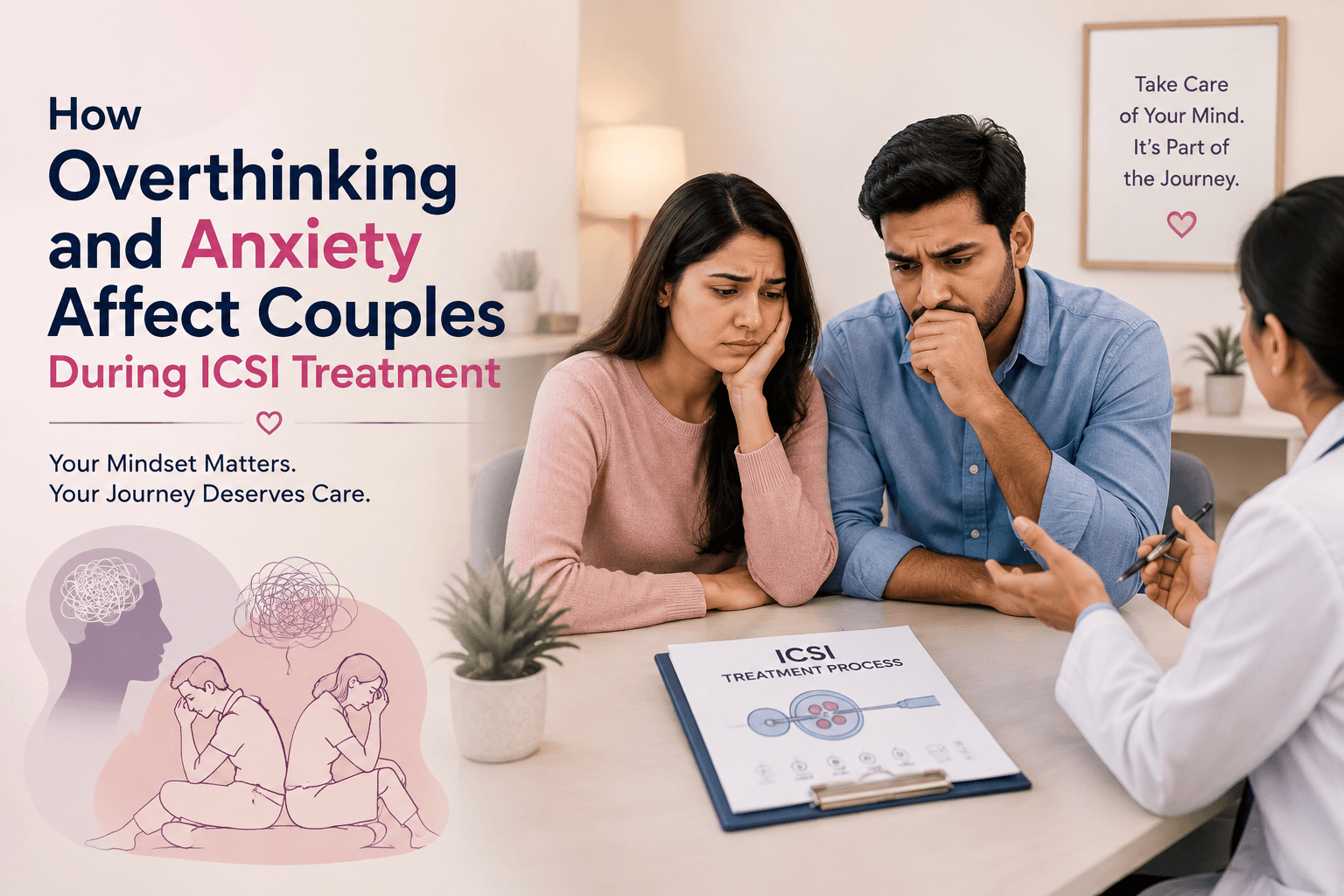
Have you found yourself refreshing symptom searches at 2 a.m., wondering if that small twinge means something or nothing at all? If you're going through ICSI treatment, this kind of overthinking is more common than most couples realise.
Doctors offering the best ICSI treatment in Delhi (https://www.drpoonamgoyal.in/icsi) see this pattern often. The medical procedure is only one part of the journey. The waiting, the uncertainty, and the constant mental replay of "what if" moments can wear couples down just as much as the physical process. This article looks at why that happens and what genuinely helps.
What Is ICSI and Why Does It Involve So Much Waiting?
ICSI, or intracytoplasmic sperm injection, is a fertility procedure where a single sperm is injected directly into an egg to help fertilisation. It's often used when there are male fertility challenges affecting sperm count or movement.
The process involves multiple stages, egg retrieval, fertilisation, embryo development, and transfer, each with a waiting period. This stretched timeline naturally creates space for anxious thoughts to build up.
Why Does Overthinking Happen So Often During This Process?
Short answer: Overthinking happens because ICSI involves several waiting periods where couples have no control over the outcome. Uncertainty about fertilisation, embryo quality, and implantation naturally triggers repeated worry. This is a common emotional response, not a sign of weakness or something being wrong with the couple.
Common Signs of Treatment-Related Anxiety
Constantly checking symptoms or searching for meaning in small body changes
Difficulty sleeping around key appointment dates
Irritability or tension between partners during waiting periods
Avoiding social situations involving pregnancy or children
Feeling unable to focus on daily tasks during treatment weeks
What Causes This Anxiety to Build Up?
Previous failed cycles creating fear of repeated disappointment
Financial pressure tied to treatment costs
Family or social questions about treatment progress
Uncertainty around embryo development and transfer outcomes
Feeling responsible for the outcome, especially around male fertility diagnoses
Risk Factors That Can Intensify Anxiety During ICSI
History of previous pregnancy loss or failed cycles
Limited support system outside the relationship
Underlying anxiety tendencies before starting treatment
Long gaps between appointments without clear updates
One partner carrying most of the emotional and logistical load
How Do Doctors Recognise Anxiety During Treatment?
Short answer: Doctors often notice anxiety through repeated questions, visible tension during appointments, or patients seeking excessive reassurance about normal symptoms. While this isn't a formal diagnosis, acknowledging it openly helps doctors adjust communication and support couples better throughout the ICSI process.
Support Options for Couples Facing Treatment Anxiety
Clear Communication From the Clinic
Understanding what to expect at each stage reduces uncertainty, which often lowers anxious thoughts significantly.
Fertility Counselling
Many clinics offering ICSI treatment also provide counselling support to help couples process emotions during long treatment cycles.
Shared Responsibility Between Partners
When both partners understand the process equally, whether it relates to best male fertility in Delhi (https://www.drpoonamgoyal.in/best-male-infertility-centre-in-delhi) factors or female fertility contributions, the emotional load feels more balanced.
Setting Realistic Expectations
Doctors explaining success rates honestly, without overpromising, helps couples prepare mentally for different outcomes.
Dr. Poonam Goyal often tells couples that asking questions is always welcome, and doing so usually reduces anxiety more than staying silent and assuming the worst.
Lifestyle Tips to Manage Overthinking During Treatment
Limit excessive online searching about symptoms or success stories
Practice simple breathing exercises during waiting periods
Maintain a consistent sleep routine, especially near appointment dates
Talk openly with your partner instead of processing worry alone
Consider short counselling sessions if anxiety feels overwhelming
Focus on one stage at a time instead of the entire treatment timeline
When Should You See a Doctor or Counsellor?
See your doctor or a counsellor if anxiety is affecting your sleep, relationship, or daily functioning significantly. This is especially important if worry feels constant rather than tied to specific appointment days. Addressing this early supports both emotional wellbeing and treatment consistency.
Role of Male and Female Fertility Understanding in Reducing Anxiety
Much of the anxiety during ICSI comes from uncertainty about which partner's fertility factors are involved. Clear diagnosis around best male fertility in Delhi concerns, alongside proper evaluation of best female fertility in Delhi (https://www.drpoonamgoyal.in/best-female-fertility-in-delhi) factors, often reduces blame and confusion between partners.
When couples understand the actual medical reasons behind their treatment plan, the emotional weight tends to shift from guessing to informed acceptance.
Expert Advice
Dr. Poonam Goyal often reminds couples that anxiety during ICSI is common and doesn't reflect poorly on their strength as a couple. Acknowledging it openly, rather than pushing through silently, tends to support both mental wellbeing and treatment consistency.
Key Takeaways
Overthinking and anxiety are common during ICSI due to multiple waiting periods
Previous failed cycles and financial pressure often intensify anxious thoughts
Clear communication from the clinic can significantly reduce uncertainty
Understanding both male and female fertility factors reduces blame between partners
Counselling support alongside medical treatment helps couples manage the emotional side
FAQs
1. Is it normal to feel anxious during ICSI treatment? Yes, anxiety is a common response during ICSI due to the uncertainty involved at each stage. Waiting periods for fertilisation, embryo development, and transfer results naturally create worry. This response doesn't indicate anything is wrong with the couple or the treatment process itself.
2. How can couples manage overthinking during ICSI waiting periods? Limiting excessive symptom searches, practicing breathing exercises, and talking openly with your partner can help. Focusing on one stage at a time, rather than the entire treatment timeline, also reduces the tendency to overthink outcomes that haven't happened yet.
3. Does anxiety affect ICSI success rates? Anxiety hasn't been shown to directly affect ICSI success rates, though chronic stress can influence overall hormone balance. More importantly, high anxiety can affect sleep, communication, and consistency with treatment steps, which is why emotional support is often recommended alongside medical care.
4. Should both partners attend ICSI counselling sessions? Yes, attending together is usually more helpful. ICSI often involves both male fertility and female fertility factors, so shared understanding reduces blame and improves communication. Joint counselling sessions also help partners support each other through the emotional demands of treatment.
5. When should anxiety during fertility treatment be taken seriously? Take it seriously if anxiety affects sleep, daily functioning, or the relationship significantly, or if worry feels constant rather than occasional. Speaking with your doctor or a counsellor early helps address this before it adds unnecessary strain to the treatment process.
Appreciate the creator