How Much Weight Do You Lose After Pregnancy
Understanding Post-Pregnancy Weight Loss
Losing weight after pregnancy is a common concern for many new mothers. Understanding the process of post-pregnancy weight loss can help you set realistic goals and develop a healthy approach to shedding those extra pounds. It's important to remember that every woman's body is different, and the rate at which you lose weight may vary.
Firstly, it's essential to recognize that your body has undergone significant changes during pregnancy. Hormonal shifts, increased blood volume, and an expanding uterus all contribute to weight gain. Additionally, storing fat reserves is necessary for breastfeeding and providing energy during labor and delivery. Therefore, it's crucial not to rush into any drastic diets or intense exercise routines immediately after giving birth.
Secondly, focusing on healthy eating habits is key when trying to lose postpartum weight. Opting for nutrient-dense foods such as fruits, vegetables, lean proteins, whole grains, and healthy fats will provide your body with the necessary nutrients while keeping you satisfied. Avoid crash diets or extreme calorie restrictions as they can be detrimental to both your physical health and milk supply if you are breastfeeding.
Lastly, incorporating exercise into your daily routine can aid in post-pregnancy weight loss. Start slowly with low-impact activities like walking or gentle yoga before gradually increasing intensity over time. Exercise not only helps burn calories but also boosts mood levels by releasing endorphins – something particularly beneficial during this period of adjustment.
By understanding the factors influencing post-pregnancy weight loss and adopting a balanced approach involving healthy eating habits and regular exercise tailored to your individual needs - losing those extra pounds becomes an achievable goal without compromising overall well-being.
The Effects of Pregnancy on the Body
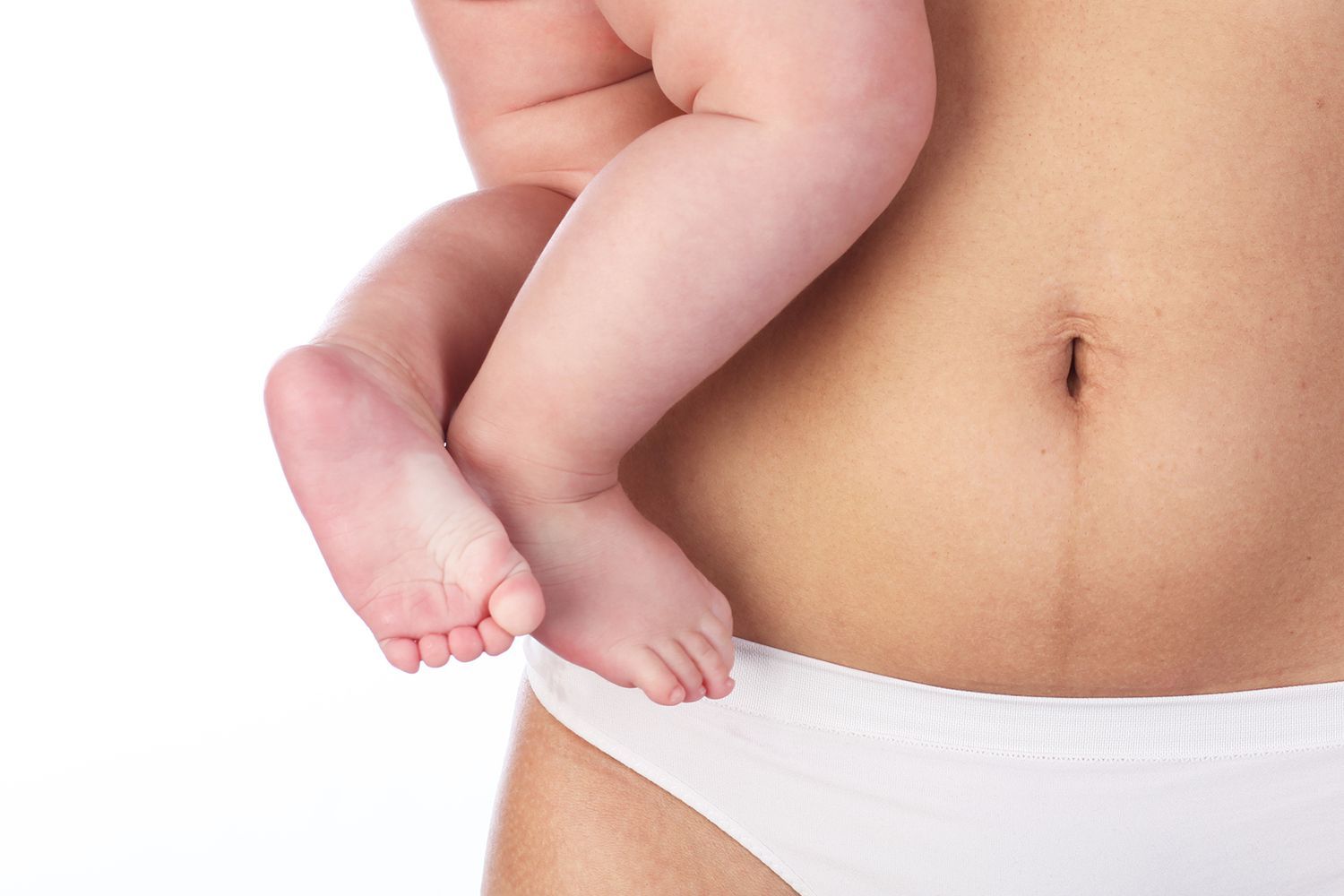
During pregnancy, a woman's body undergoes numerous changes to accommodate the growing fetus. One of the most noticeable effects is weight gain, which is necessary for a healthy pregnancy but can be challenging to lose postpartum. The increased levels of hormones during pregnancy also contribute to changes in the skin, often leading to stretch marks and pigmentation issues. Additionally, many women experience swelling in their feet and ankles due to fluid retention.
Another common effect of pregnancy on the body is muscle separation known as diastasis recti. This occurs when the abdominal muscles separate along the midline, causing a bulge or protrusion in the stomach area. It can take time and targeted exercises to strengthen these muscles and bring them back together.
Furthermore, hormonal fluctuations during pregnancy can affect hair growth patterns. Some women may notice an increase in hair thickness and shine due to higher estrogen levels, while others may experience hair loss after giving birth as hormone levels normalize. These temporary changes are normal and typically resolve within several months postpartum.
Overall, it's important for new mothers to understand that these physical changes are natural parts of pregnancy and childbirth. While they may be frustrating at times, it's crucial not to compare oneself with unrealistic standards or rush into drastic measures for weight loss or body restoration immediately after giving birth. Embracing patience and self-care will allow your body ample time to recover naturally from this transformative journey.
Healthy Eating Habits for Postpartum Weight Loss
One of the key factors in postpartum weight loss is adopting healthy eating habits. After giving birth, it's important to nourish your body with nutrient-dense foods that will support your overall health and aid in shedding those extra pounds. Focus on incorporating plenty of fruits, vegetables, whole grains, lean proteins, and healthy fats into your diet.
Aim for a balanced plate at each meal by including a variety of food groups. Fill half of your plate with colorful fruits and vegetables to ensure you're getting a good dose of vitamins and minerals. Include lean proteins like chicken breast or tofu to help build muscle and promote satiety. Whole grains such as quinoa or brown rice can provide sustained energy throughout the day. Don't forget about healthy fats found in avocados, nuts, and olive oil – they are essential for hormone production and brain function.
In addition to making healthier choices when it comes to food selection, be mindful of portion sizes as well. Pay attention to hunger cues from your body rather than eating out of habit or emotional triggers. It's also helpful to eat smaller meals more frequently throughout the day instead of relying on three large meals. This can help regulate blood sugar levels and prevent overeating.
By implementing these healthy eating habits into your postpartum routine, you'll not only support weight loss but also improve overall well-being. Remember that sustainable progress takes time; be patient with yourself as you navigate this new chapter in life while prioritizing self-care through nutritious food choices.
Incorporating Exercise into Your Post-Pregnancy Routine
Regular exercise is an essential component of post-pregnancy weight loss and overall well-being. However, it is important to approach exercise with caution and gradually increase intensity as your body heals. Begin by incorporating gentle activities such as walking or swimming into your daily routine. These low-impact exercises can help improve cardiovascular health and promote weight loss without placing excessive strain on your healing muscles and joints.
As you regain strength, consider adding resistance training to your workout regimen. Strength training not only helps build lean muscle mass but also increases metabolism, making it easier to shed those extra pounds. Start with light weights or resistance bands and focus on targeting major muscle groups like the legs, arms, back, and core. Remember to listen to your body's cues during exercise – if something feels uncomfortable or painful, modify the movement or consult a healthcare professional for guidance.
In addition to structured workouts, finding ways to incorporate physical activity into everyday life can be beneficial for post-pregnancy weight loss. Take advantage of opportunities for incidental exercise by opting for stairs instead of elevators, parking farther away from destinations, or engaging in active playtime with your little one. By making small changes in your daily routine that prioritize movement and activity, you can gradually increase fitness levels while juggling the demands of motherhood.
Managing Stress and Sleep for Effective Weight Loss
Stress and lack of sleep can have a significant impact on your ability to lose weight after pregnancy. When you are stressed, your body releases cortisol, a hormone that can increase appetite and lead to overeating. Additionally, stress can disrupt your sleep patterns, which in turn affects your metabolism and energy levels. Therefore, it is crucial to manage stress and prioritize quality sleep for effective weight loss.
One way to manage stress is by incorporating relaxation techniques into your daily routine. This could include activities such as deep breathing exercises, meditation, or yoga. Taking time for yourself each day to unwind and relax can help reduce stress levels and promote better sleep.
Another important aspect of managing stress is identifying triggers and finding healthy ways to cope with them. Whether it's through talking with a supportive friend or family member or seeking professional help from a therapist or counselor, addressing the underlying causes of stress can be instrumental in achieving successful weight loss.
In addition to managing stress, getting enough sleep is essential for effective weight loss after pregnancy. Lack of sleep has been linked to increased cravings for unhealthy foods high in sugar and fat. It also affects insulin sensitivity which may lead to difficulties regulating blood sugar levels.
By prioritizing adequate restful sleep each night, you give your body the chance to repair itself both mentally and physically. Aim for seven to nine hours of uninterrupted sleep per night by establishing a consistent bedtime routine that promotes relaxation before bed.
Remember that managing stress and getting enough quality sleep are vital components of the post-pregnancy weight loss journey alongside healthy eating habits and regular exercise routines.
Balancing Hormones for Weight Loss After Pregnancy
Balancing hormones is crucial for effective weight loss after pregnancy. Hormonal changes during and after pregnancy can have a significant impact on the body's metabolism and overall well-being. By understanding how hormones affect weight loss, new mothers can take steps to achieve their postpartum weight loss goals.
One important hormone to consider is insulin. Pregnancy can lead to increased insulin resistance, making it more difficult for the body to regulate blood sugar levels. This can result in weight gain or difficulty losing weight after giving birth. To balance insulin levels, it is essential to focus on a healthy diet that includes whole grains, lean proteins, fruits, and vegetables while limiting processed foods and added sugars.
Another hormone that plays a role in post-pregnancy weight loss is cortisol, also known as the stress hormone. Elevated cortisol levels not only contribute to increased appetite but also promote fat storage around the abdomen area. Managing stress through relaxation techniques such as deep breathing exercises or mindfulness meditation can help lower cortisol levels and support healthy weight loss.
Additionally, estrogen levels may fluctuate during postpartum recovery which could impact metabolism and energy levels. Engaging in regular physical activity like walking or light aerobic exercises helps maintain hormonal balance by promoting endorphin release and supporting overall well-being.
By understanding how hormones influence post-pregnancy weight loss efforts, new mothers can make informed choices about their diet, exercise routine, and stress management techniques, and seek professional advice if needed. Balancing hormones will not only aid in shedding excess pounds but also contribute to an overall healthier lifestyle for both mother and baby.
Breastfeeding and its Impact on Postpartum Weight Loss
Breastfeeding can have a significant impact on postpartum weight loss. Research has shown that breastfeeding mothers tend to lose weight more quickly and easily compared to those who do not breastfeed. This is because breastfeeding burns extra calories, with some estimates suggesting that it can help women burn an additional 300-500 calories per day.
In addition to the calorie-burning benefits, breastfeeding also helps the uterus contract back to its pre-pregnancy size more rapidly. This can aid in reducing belly fat and regaining a flatter stomach. Furthermore, breastfeeding releases hormones that promote relaxation and reduce stress levels, which may contribute to overall weight loss.
It's important for new mothers who are breastfeeding to focus on nourishing themselves properly while providing nutrients for their babies through breast milk. It is recommended to consume a well-balanced diet rich in fruits, vegetables, lean proteins, whole grains, and healthy fats. It's also crucial to stay hydrated by drinking plenty of water throughout the day.
By understanding the impact of breastfeeding on postpartum weight loss and adopting healthy eating habits alongside it, new mothers can effectively shed excess pounds gained during pregnancy while ensuring optimal nutrition for both themselves and their babies. Remember that each woman's body is unique and will respond differently; therefore, it's essential not to compare oneself with others but rather embrace the journey at one's own pace.
Setting Realistic Goals for Losing Weight After Pregnancy
Losing weight after pregnancy is a common goal for many new mothers, but it's important to set realistic expectations. It's natural for the body to hold onto some extra weight during and after pregnancy, so don't be too hard on yourself if you don't see immediate results. Instead of focusing solely on the number on the scale, consider other factors such as overall health and well-being.
When setting goals for post-pregnancy weight loss, it's crucial to take into account your individual circumstances. Every woman's body is different, and what worked for someone else may not work for you. Start by consulting with your healthcare provider who can provide guidance based on your specific needs and medical history.
It's also important to remember that losing weight too quickly can be detrimental to both physical and mental health. Aim for gradual weight loss of 1-2 pounds per week rather than crash diets or extreme exercise regimens. This approach allows your body time to adjust while minimizing the risk of nutrient deficiencies or muscle loss.
By setting realistic goals that prioritize overall health and well-being over quick fixes, you'll be more likely to achieve long-term success in losing weight after pregnancy. Remember that every step forward is an accomplishment worth celebrating, regardless of how small it may seem. Stay positive and patient with yourself throughout this journey toward a healthier postpartum body.
Seeking Support and Accountability for Post-Pregnancy Weight Loss
One of the most important factors in successful post-pregnancy weight loss is having a strong support system. Surrounding yourself with friends, family, or other new mothers who are also trying to lose weight can provide you with encouragement, motivation, and accountability. Sharing your goals and progress with others can help keep you on track and push you to stay committed to your weight loss journey.
In addition to seeking support from loved ones, joining a postpartum exercise class or finding an online community of women going through similar experiences can be incredibly beneficial. These groups often offer guidance from professionals who specialize in post-pregnancy fitness and nutrition. They can provide valuable advice on healthy eating habits, effective exercises for targeting specific areas of the body, and tips for staying motivated during challenging times.
Accountability is another crucial aspect of achieving post-pregnancy weight loss goals. Consider partnering up with a friend or hiring a personal trainer who will hold you accountable for sticking to your diet and exercise plan. Having someone check in on your progress regularly can help ensure that you are staying committed and making consistent efforts toward reaching your desired weight.
Remember that seeking support and accountability does not mean relying solely on others for motivation. Ultimately, it is up to you to make the necessary changes in order to achieve your weight loss goals after pregnancy. However, having a strong support system in place can greatly increase your chances of success by providing guidance, encouragement, and an added level of motivation throughout this transformative journey toward reclaiming your pre-pregnancy body.
Celebrating Your Progress and Embracing Body Positivity
It's important to celebrate your progress and embrace body positivity as you work towards post-pregnancy weight loss. Remember that your body has gone through significant changes during pregnancy, and it will take time for it to return to its pre-pregnancy state. Instead of focusing solely on the numbers on the scale, shift your mindset towards appreciating all that your body has accomplished.
One way to celebrate your progress is by acknowledging and celebrating small victories along the way. Maybe you were able to fit into a pair of jeans that didn't quite zip up before or perhaps you've noticed an increase in energy levels since starting your postpartum weight loss journey. These are all signs of progress, and they deserve recognition.
Embracing body positivity means accepting and loving yourself at every stage of your journey. It's easy to get caught up in comparing yourself to others or feeling pressure from societal standards, but remember that everyone's journey is unique. Focus on what makes you feel good physically and mentally rather than trying to conform to unrealistic ideals.
By celebrating your progress and embracing body positivity, you're creating a positive environment for sustainable weight loss after pregnancy. Remember that this is a marathon, not a sprint, so be patient with yourself as you navigate this new chapter in life. Your focus should be on nourishing both your mind and body while enjoying the process along the way
Appreciate the creator