How Many Grafts Do You Really Need?
If you’re considering a Hair Transplant in Islamabad, one of the first questions that probably comes to mind is: “How many grafts do I need?” It’s a fair question — after all, the number of grafts determines not just the coverage and density you’ll achieve, but also the total cost of your procedure.
But the answer isn’t the same for everyone. Your level of baldness, donor hair quality, and hair restoration goals all play a big role in determining how many grafts will give you that perfect, natural look. Let’s break this down step by step — with practical examples, graft estimates, and pricing details specific to Islamabad.
Understanding What “Grafts” Really Mean
Before diving into the numbers, it’s important to understand what a graft is. A “graft” refers to a small piece of skin containing hair follicles that’s transplanted from the donor area (usually the back or sides of your head) to a bald or thinning area.
Each graft typically contains 1 to 4 hair follicles, depending on your natural hair growth pattern. So when we say “3,000 grafts,” that could mean anywhere from 6,000 to 12,000 individual hairs — impressive, right?
How Surgeons Estimate Graft Requirements
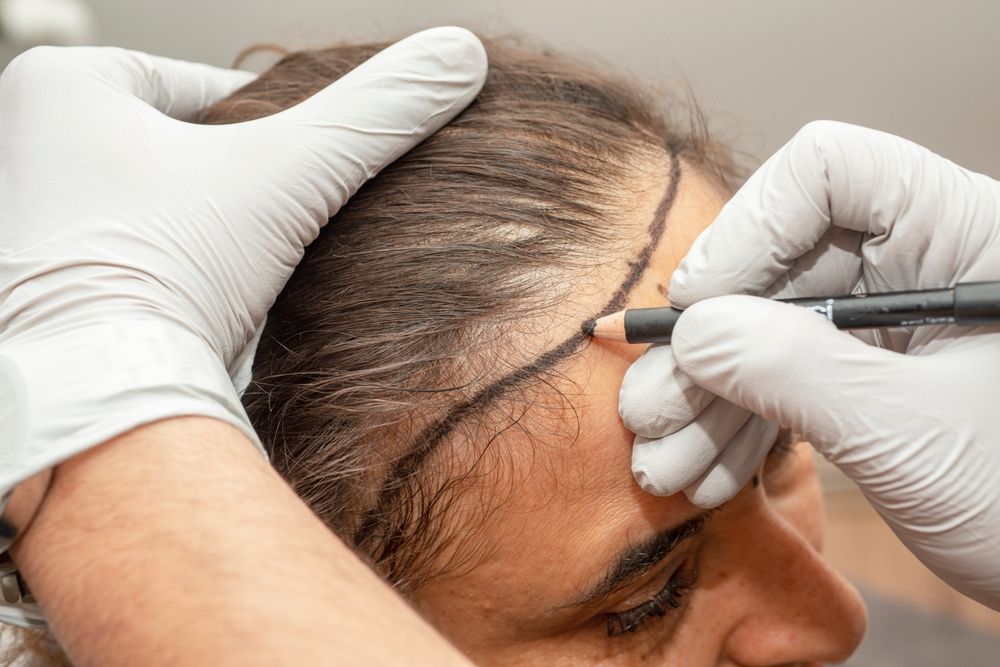
Professional surgeons in Islamabad don’t guess your graft count; they calculate it carefully based on three major factors:
Extent of Hair Loss: How much of your scalp is bald or thinning?
Desired Density: How thick do you want your new hair to appear?
Donor Area Quality: How dense and healthy is the hair available for extraction?
Using advanced diagnostic tools and classifications like the Norwood Scale for men or the Ludwig Scale for women, your surgeon will estimate how many grafts are required to meet your restoration goals.
Average Graft Requirements (Based on Baldness Levels)
Here’s a general idea of how many grafts are needed for different levels of hair loss:
Hair Loss Level (Norwood Scale)Area Covered Estimated Grafts Needed Type II–III Receding hairline or temples 1,000 – 1,500 grafts Type III–IV Frontal area thinning 1,500 – 2,500 grafts Type IV–V Top and crown thinning 2,500 – 3,500 grafts Type V–VI Significant baldness 3,500 – 4,500 grafts Type VII Advanced baldness 5,000+ grafts
These numbers are averages, and individual needs can vary. Your doctor might recommend slightly fewer or more grafts based on your hair type and density goals.
Cost of Hair Transplant Per Graft in Islamabad
The cost of a hair transplant in Islamabad depends largely on the technique used (FUE, FUT, or DHI) and the surgeon’s expertise. However, here’s a general price breakdown to give you an idea:
No. of Grafts Approximate Cost (PKR)Procedure Type 1,000 grafts Rs. 60,000 – Rs. 80,000FUE / FUT2,000 graftsRs. 100,000 – Rs. 130,000FUE / DHI3,000 graftsRs. 140,000 – Rs. 180,000FUE / DHI4,000+ graftsRs. 200,000+Advanced DHI / Mega Session
Most clinics offer package deals rather than per-graft pricing, especially for larger transplants. Always confirm what’s included (consultation, aftercare, medications) to avoid hidden costs.
Examples of Graft Planning in Real Cases
Let’s look at a few examples to make things clearer:
Example 1: Receding Hairline (Mild Baldness)
Patient: Male, 28 years old
Area: Temples and frontal hairline
Required Grafts: 1,500
Estimated Cost: Around Rs. 90,000 – Rs. 110,000
This type of transplant restores symmetry and sharpness to the face with minimal downtime.
Example 2: Thinning Crown (Moderate Baldness)
Patient: Male, 35 years old
Area: Crown and mid-scalp
Required Grafts: 3,000
Estimated Cost: Rs. 140,000 – Rs. 170,000
This restores coverage to the back of the head where hair thinning is most visible.
Example 3: Advanced Baldness (Full Scalp)
Patient: Male, 45 years old
Area: Entire top and crown
Required Grafts: 5,000+
Estimated Cost: Rs. 200,000 – Rs. 250,000+
This type requires multiple sessions but produces dramatic transformations.
Techniques That Influence Graft Count
Not every hair transplant technique requires the same number of grafts. Some methods maximize graft survival, while others focus on density.
FUE (Follicular Unit Extraction): Grafts are extracted individually; recovery is faster, and scarring is minimal.
FUT (Follicular Unit Transplantation): A strip of scalp is removed, allowing for a higher graft yield but with a linear scar.
DHI (Direct Hair Implantation): The most advanced and precise technique; implants each graft directly for high density and natural results.
Your surgeon will recommend the right method based on your scalp condition and desired coverage.
The Role of Hair Density in Determining Grafts
A key goal in any transplant is achieving a natural density — enough to cover bald areas without overusing grafts. Typically, surgeons aim for around 40 to 60 grafts per square centimeter for the frontal region and slightly fewer for the crown.
Patients with thicker hair shafts may need fewer grafts for the same visual density, while those with fine hair may require more. This is why personalized consultation is so important before finalizing graft numbers.
Combining Treatments for Maximum Results
Sometimes, surgeons recommend combining transplants with non-surgical treatments to enhance results. One of the most effective complementary therapies is Hair loss treatment in Islamabad, which includes PRP, laser therapy, and growth serums.
These treatments strengthen the existing hair, accelerate recovery, and improve the survival rate of newly transplanted follicles. When used together, they ensure your results last longer and look fuller.
Common Mistakes to Avoid When Estimating Grafts
Relying on Online Calculators Alone: They give rough estimates but can’t assess your scalp condition.
Ignoring Donor Area Limits: Overharvesting can damage your donor site permanently.
Choosing Clinics Based Solely on Price: Cheaper doesn’t mean better; focus on expertise and safety.
Expecting Unrealistic Density: A good surgeon prioritizes natural results, not excessive thickness.
Always consult with a qualified specialist who customizes your graft plan based on clinical evaluation, not assumptions.
Post-Transplant Expectations
Once the grafts are implanted, you’ll go through a short recovery phase. Minor shedding is normal during the first month as new hair roots settle. Growth typically starts around 3 to 4 months, with full results visible in 9 to 12 months.
Proper aftercare, medications, and periodic follow-ups ensure your transplanted hair thrives naturally and permanently.
Why Choose SKN Cosmetics for Hair Transplant in Islamabad
If you’re planning a hair transplant and want clear, honest advice on graft count and pricing, SKN Cosmetics is one of the most trusted clinics in Islamabad. Their team of certified surgeons uses advanced diagnostic tools to determine the exact number of grafts you need — no guesswork, no unnecessary upselling.
From your first consultation to your final follow-up, SKN Cosmetics focuses on personalized care, natural results, and lasting satisfaction. Whether you need 1,000 or 5,000 grafts, they ensure every follicle counts — literally and beautifully.
Appreciate the creator