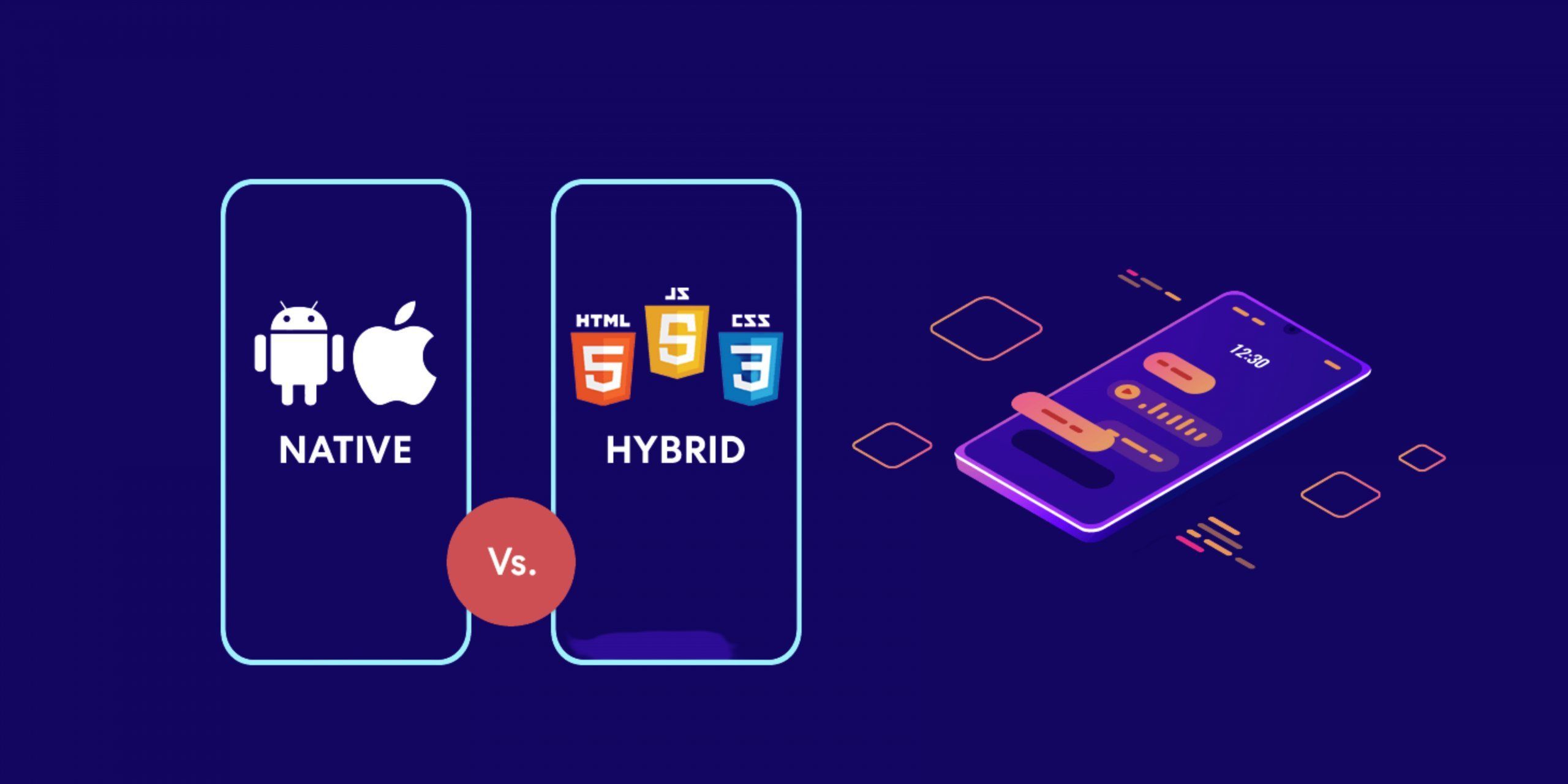
How Long Does It Take to Develop a Hybrid App Design?
Hybrid apps are essentially web applications adapted to a platform’s WebView display. They can take advantage of the platform’s native capacities but rely on JavaScript APIs and are limited to a WebView user interface. The greater flexibility of hybrid apps can lead to inconsistent UX, especially if developers don’t practice progressive web design. They may also need to write native code to comply with iOS and Android interaction guidelines and access APIs.
Cost
Since hybrid apps use a single code framework for different operating systems, they generally cost less than native apps. In addition, they can work offline. However, they do require an internet connection for updates. In contrast, native apps are built for a specific OS and can take much longer to develop.
They are also slower to run than hybrid apps.
Hybrid app design services development uses a standard web technology triumvirate of HTML, CSS, and JavaScript to create mobile applications that function like native apps. This reduces the time and expense of app development, making it an attractive option for businesses that want to reach a wide audience.
They are the advent of new technologies
With the advent of new technologies, hybrid mobile apps are now being developed using powerful cross-platform mobile application development frameworks such as React Native and Flutter. These tools allow developers to use a single codebase to design apps for both iOS and Android platforms. This makes them easier to maintain and update, reducing development time and costs.
Biggest Advantages of Hybrid
One of the biggest advantages of hybrid mobile apps is that they can run in a browser on any device. They are typically faster and more responsive than traditional web apps, and they can support offline functionality. They can also integrate with native components to provide a better user experience. However, this type of application can limit a developer’s ability to exploit a platform’s full capabilities. For example, a hybrid app will not be able to access the phone’s accelerometer or camera functions unless it is written in native code.
Time
If you’re looking for an app development firm that can build a hybrid mobile application, it’s important to find one with a solid reputation and experience. You’ll also want to make sure that the company is transparent about its costs and fees. Here are some discussion points for time
Hybrid app design services are ideal for businesses that want to expand their reach across multiple platforms.
They can run on all major mobile devices, including iOS and Android.
They can also be updated quickly and are typically lighter than native apps.
Moreover, the development time of hybrid apps is lower than that of native apps, and the code is easier to maintain.
However, this type of app still requires the developer to test it on a variety of devices and screen resolutions.
This may take more time than testing a native app.
The main reason behind this is that WebView only allows the app to access certain features and capabilities of the device.
To make the most of these features, a separate JavaScript API must be written. Therefore, it can be challenging to create a smooth user interface for the user.
The other drawback is that hybrid apps have a less authentic feel than native apps. They aren’t as fast, and they don’t have the same graphical fidelity as native apps. Furthermore, they are unable to use the full functionality of the device, such as the accelerometer and camera.
Platforms
Hybrid apps are a type of mobile app that combines the advantages of both web and native applications. They use common front-end development languages like HTML5, JavaScript, and CSS to provide cross-platform functionality. However, they are wrapped in lightweight native app containers to give them access to device hardware and features. They are also available through app stores and can run on multiple platforms, including iOS and Android.
This allows businesses and developers to reach a wider audience. For example, Uber uses a hybrid application to offer its services on both iOS and Android devices. This allows the company to avoid having to build separate applications for each platform and ensure that its app is fully functional across all devices.
Another advantage of hybrid app design services is that they can be updated with a single code base. This is a great advantage for companies that want to maintain their apps and make changes over time without having to submit them to an app store and wait for approval. This process can be time-consuming and expensive.
Hybrid apps are not as fast as native apps, but they can be a good alternative if you don’t have the budget to develop a native app. They are also a good choice for apps that require offline support or multi-device sync. For example, Spotify and Uber are two popular examples of hybrid apps that work on various devices.
Requirements
A hybrid app design services is a mobile application that combines the best of native and web technologies. It runs on multiple platforms, and its code is written with standard programming languages that are familiar to most web developers. The result is an app that is faster to develop and less costly than a native app.
Hybrid apps also offer the ability to take advantage of device features, such as GPS and cameras. This can lead to a better user experience and increased engagement for the users of the app. In addition, these apps can be updated frequently without affecting the existing functionality of the app. This is an important consideration for businesses that want to make sure their app has the latest features and stays relevant in a constantly changing marketplace.
Popular Framework
One of the most popular hybrid frameworks is Flutter, which allows developers to create a fast, reliable, and customizable app. It offers a wide range of plugins and features that make it easy for developers to create flexible UI designs. It has been used by renowned brands like Amazon, Alibaba, and BMW to build their applications.
However, a hybrid app may require more manual testing than a native app because it is running on multiple platforms. Developers must ensure that the UI is consistent across all devices and that the app is compatible with a variety of screen sizes. Additionally, the code for hybrid apps needs to comply with the Android and iOS interaction guidelines.
Thanks for visiting Feeding Trend
Appreciate the creator