How Inconsistent Stock Levels Hurt Retail Stores
In retail, consistency is often more important than price. Customers return to stores not just for discounts, but because they expect their favourite products to be available every time they visit. When stock levels fluctuate frequently, it creates uncertainty for both customers and business owners.
For convenience stores, dairies, and supermarkets, inconsistent inventory can quickly turn into lost revenue and reduced customer trust. Even a short gap in availability can push buyers toward competitors who offer more reliable product ranges.
Maintaining stable stock flow is therefore essential for long-term retail success.
Empty Shelves Lead to Immediate Sales Loss
One of the most visible impacts of inconsistent inventory is empty shelves. When popular items are not available, customers rarely wait—they simply buy from another store.
This results in direct sales loss, especially for fast-moving consumer goods where purchasing decisions are made quickly. Over time, repeated stock shortages can significantly reduce daily revenue.
Empty shelves also create a perception that the store is poorly managed, which affects customer confidence.
Customer Loyalty Becomes Weak
Retail success is heavily dependent on repeat customers. However, inconsistent product availability weakens loyalty because shoppers cannot rely on finding their preferred items consistently.
If customers repeatedly face out-of-stock situations, they naturally begin exploring alternative stores. Once they switch, it becomes difficult to bring them back.
This slow erosion of customer loyalty is often more damaging than immediate sales loss.
Poor Stock Planning Affects Profitability
Inconsistent stock levels usually result from weak inventory planning. Many retailers either overestimate demand or fail to track sales patterns accurately.
This leads to cycles of overstocking followed by shortages, which disrupts cash flow and operational efficiency. Products may sit unused during low demand periods and disappear too quickly during peak periods.
Such imbalance makes it difficult to maintain stable profit margins.
Operational Stress Increases for Staff
When stock levels are unpredictable, store staff must constantly adjust ordering, restocking, and display arrangements. This increases workload and reduces time available for customer service.
Employees often have to deal with last-minute supplier calls, emergency restocking, and manual stock checks. Over time, this creates inefficiency and workplace stress.
A well-balanced inventory system reduces this pressure significantly.
Missed Opportunities in High-Demand Periods
Retail demand often spikes during weekends, holidays, and promotional campaigns. If stock is not properly managed, businesses miss out on these high-revenue opportunities.
When shelves are not prepared for increased demand, competitors capture the extra sales instead. This limits overall growth potential and reduces long-term profitability.
Planning ahead is critical to avoid these missed opportunities.
Supplier Dependency Becomes a Risk
Retailers with inconsistent ordering patterns often struggle with supplier reliability. When orders are irregular, suppliers may not prioritize replenishment, leading to further delays.
This creates a cycle where poor planning leads to poor supply performance. Over time, the business becomes more vulnerable to external disruptions.
Stronger ordering consistency helps improve supplier relationships and reduces this risk.
Mid-Content Industry Reality
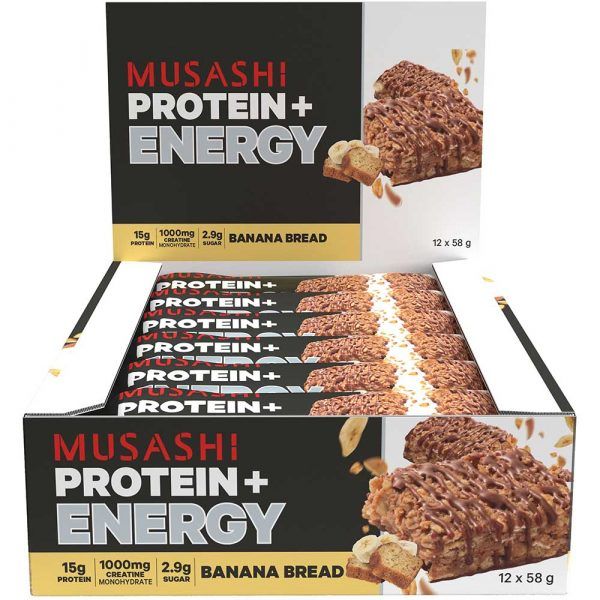
Many retailers have started shifting toward more structured procurement systems to avoid stock instability. Businesses that adopt bulk buy snacks strategies often experience smoother inventory flow because larger, planned orders reduce supply gaps and improve product availability across peak demand cycles.
This approach helps maintain better control over stock levels while reducing the frequency of emergency restocking situations.
Storage Mismanagement Adds to the Problem
Inconsistent stock levels are often linked with poor storage organization. When inventory is not tracked properly, products may be misplaced, overlooked, or ordered incorrectly.
This leads to unnecessary duplication of orders or sudden shortages of essential items. Proper shelving systems and digital tracking tools can significantly reduce these issues.
Efficient storage management supports better forecasting and reduces stock imbalance.
Financial Instability from Irregular Inventory
Fluctuating stock levels also affect financial planning. When sales are unpredictable due to availability issues, revenue forecasting becomes difficult.
Retailers may overinvest in stock that doesn’t sell or underinvest in high-demand products. Both situations negatively impact cash flow and business stability.
Consistent inventory flow is key to maintaining financial control.
Customer Experience Declines Over Time
A store that frequently runs out of products creates a frustrating shopping experience. Customers may start visiting multiple stores to find what they need, reducing their dependence on a single retailer.
This fragmented experience weakens brand identity and reduces long-term customer engagement.
Improving stock consistency directly enhances customer satisfaction.
Conclusion
Inconsistent stock levels create a chain reaction of problems including lost sales, reduced loyalty, operational stress, and financial instability. For retailers, maintaining steady inventory is not just an operational task—it is a critical part of business growth.
By improving planning, strengthening supplier relationships, and adopting more structured purchasing methods, retailers can significantly reduce stock fluctuations.
For businesses looking to stabilize inventory and improve supply efficiency, Stock4Shops provides reliable wholesale solutions designed to support consistent product availability and smoother retail operations.
Appreciate the creator