
How Home Health Aide Services Help Seniors Stay Independent and Safe at Home
Growing older often brings new challenges, but it doesn’t mean giving up independence. Most seniors prefer staying in the comfort of their own homes instead of moving to an assisted living facility. With the right support, they can continue living safely while enjoying their daily routines and maintaining their dignity.
This is where Home Health Aide Services make a meaningful difference. These services provide compassionate, personalized assistance that helps older adults manage everyday activities while reducing health and safety risks. Whether someone needs help with personal care, mobility, meal preparation, or companionship, professional caregivers offer the support needed to improve quality of life.
In this guide, we’ll explore how these services help seniors remain independent, why families choose them, and what to consider when looking for quality in-home care.
Why More Seniors Want to Age at Home
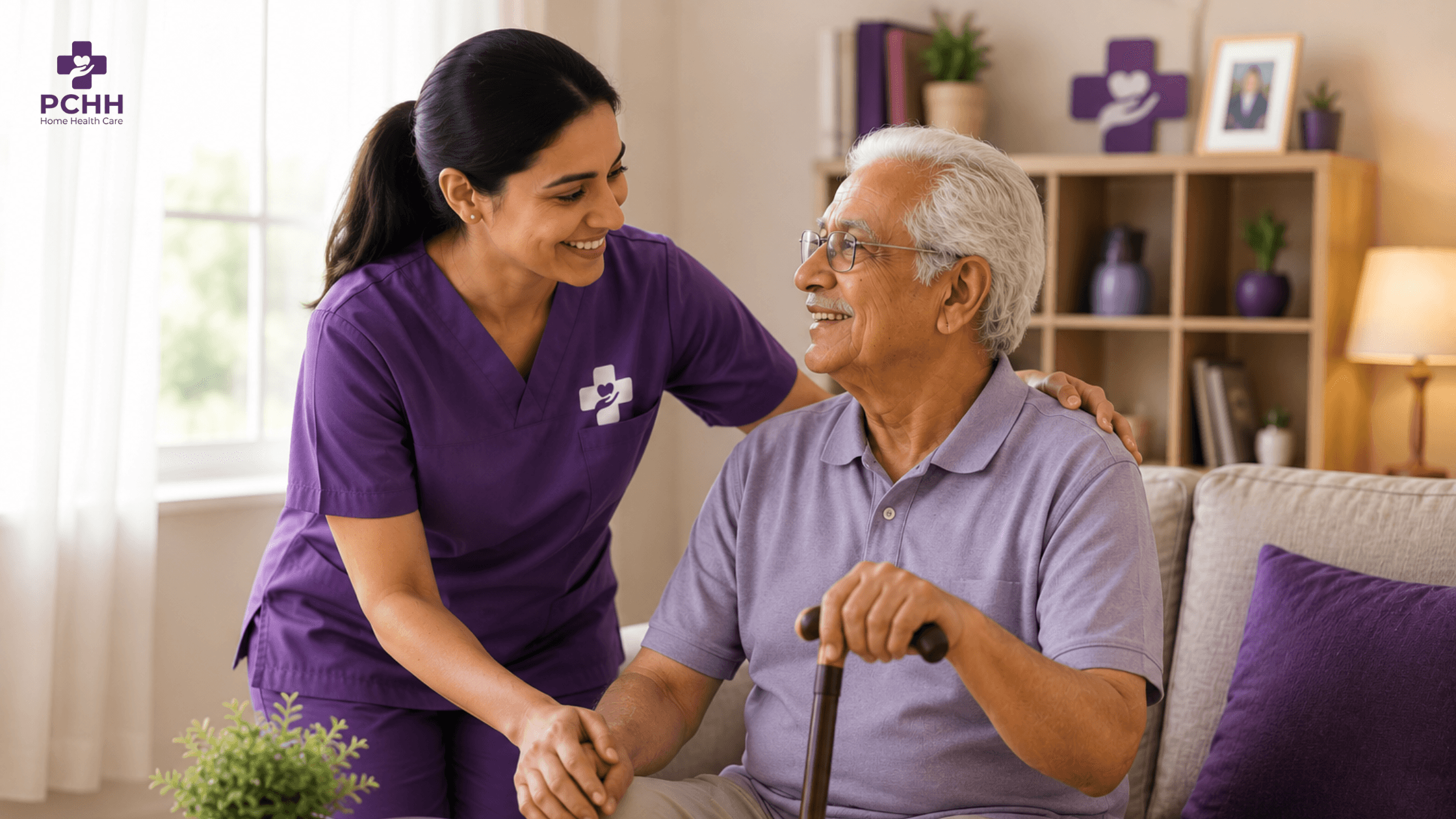
For many older adults, home represents comfort, familiarity, and cherished memories. Remaining in a familiar environment can have a positive impact on both physical and emotional well-being.
Some of the biggest reasons seniors prefer aging at home include:
Greater independence
Familiar surroundings
Strong emotional comfort
Closer connection with family and neighbors
Reduced stress compared to relocating
However, living independently can become difficult without the right support. Simple daily activities may gradually become challenging due to age-related changes, illness, or limited mobility.
That’s where professional caregivers help bridge the gap.
What Are Home Health Aide Services?
Home Health Aide Services provide non-medical assistance to individuals who need extra support while living at home. These services focus on helping seniors safely manage everyday tasks while encouraging independence.
Common responsibilities include:
Skilled Nursing Care
Physical Therapy
Occupational Therapy
Home Health Aide Support
Medical Social Services
Speech Therapy
Nutritional Guidance
Medical Equipment & Supplies
Unlike institutional care, these services are customized according to each person’s individual needs and lifestyle.
Helping Seniors Maintain Their Independence
One of the biggest benefits of in-home care is that seniors continue making their own daily choices while receiving assistance only where needed.
Rather than taking over every responsibility, caregivers encourage seniors to participate in activities they can still perform independently.
For example:
Mrs. Johnson enjoys preparing breakfast but struggles with standing for long periods. Her caregiver helps gather ingredients, prepares the kitchen safely, and assists only when necessary. She continues enjoying her routine while reducing the risk of injury.
This balanced approach preserves confidence and promotes self-esteem.
Improving Safety Around the Home
Falls remain one of the leading causes of injury among older adults. Many accidents happen during everyday activities such as climbing stairs, bathing, or walking across slippery floors.
Professional caregivers help identify and reduce these risks.
Ways caregivers improve home safety.
Removing trip hazards
Keeping walkways clear
Assisting during transfers
Providing walking support
Monitoring changes in mobility
Encouraging safe movement
Helping with proper footwear
Assisting during bathing
These simple precautions can significantly reduce the likelihood of accidents.
Assistance with Personal Care
As mobility decreases, everyday hygiene tasks may become difficult or uncomfortable.
Professional caregivers provide respectful assistance with:
Bathing
Dressing
Hair care
Oral hygiene
Toileting
Skin care
Grooming
Receiving support with personal care allows seniors to stay clean, healthy, and comfortable while maintaining dignity.
Nutrition and Healthy Eating
Preparing healthy meals becomes increasingly challenging for many older adults.
Some seniors:
Forget to eat regularly.
Skip meals
Have difficulty cooking
Struggle with grocery shopping.
Experience reduced appetite
Caregivers help ensure balanced nutrition by:
Planning nutritious meals
Preparing fresh food
Encouraging hydration
Monitoring eating habits
Assisting with grocery shopping
Proper nutrition supports stronger immunity, better energy levels, and improved recovery from illness.
Medication Reminders Support Better Health
Although home health aides do not typically administer medications unless specifically trained and authorized, they often provide important reminders.
Medication reminder support includes:
Reminding seniors when medications are due
Encouraging adherence to schedules
Monitoring missed doses
Informing family members if concerns arise
Consistent medication routines help reduce avoidable health complications.
Emotional Well-Being Matters Too
Loneliness affects many seniors, especially those living alone.
Regular companionship can improve emotional health by giving seniors someone to:
Talk with
Share meals
Enjoy hobbies
Play games
Read together
Take short walks
Watch your favorite television programs.
Meaningful social interaction often reduces feelings of isolation and helps improve overall happiness.
Support for Family Caregivers
Family members often balance caregiving with work, parenting, and personal responsibilities.
Professional in-home care offers valuable relief.
Benefits for families include:
Reduced caregiver stress
More time for work and family
Peace of mind
Reliable daily assistance
Better care coordination
Knowing a loved one is receiving dependable support helps families feel more confident about their care decisions.
Choosing the Right Home Care Provider
Finding quality care requires careful research.
When comparing providers, consider asking:
Are caregivers trained and experienced?
Are background checks completed?
Is care personalized?
Are schedules flexible?
How is communication handled?
Are families regularly updated?
What services are included?
Choosing a trusted provider helps ensure seniors receive consistent, compassionate assistance.
Organizations like PCHH US focus on providing personalized support that respects each individual’s independence while helping families feel confident about the care their loved ones receive.
The Long-Term Benefits of In-Home Support
Receiving care at home offers benefits that extend beyond everyday assistance.
Many seniors experience:
Greater confidence
Improved emotional well-being
Better daily routines
Increased safety
Reduced hospital visits
Enhanced quality of life
Stronger family relationships
These improvements allow seniors to continue enjoying the comfort and familiarity of home for as long as possible.
Providers such as PCHH US recognize that quality care is about more than completing daily tasks. It’s about helping older adults maintain their independence, dignity, and sense of purpose while living in the place they love most.
Conclusion
Remaining at home is an important goal for many older adults, and with the right support, it can become a safe and realistic option. Home Health Aide Services provide compassionate assistance with daily living, personal care, nutrition, mobility, and companionship while encouraging seniors to remain as independent as possible.
By reducing safety risks, supporting healthy routines, and improving overall well-being, these services give seniors the confidence to continue enjoying life in familiar surroundings. Families also benefit from knowing their loved ones are receiving dependable, personalized care that promotes comfort, dignity, and peace of mind.
Frequently Asked Questions (FAQs)
1. What are Home Health Aide Services?
Home Health Aide Services provide non-medical support for seniors and individuals who need help with daily living activities such as bathing, dressing, meal preparation, light housekeeping, mobility assistance, and companionship.
2. Who can benefit from home health aide services?
Older adults, individuals recovering from surgery, people with disabilities, and those managing long-term health conditions can all benefit from personalized in-home support.
3. Can home health aides help prevent falls?
Yes. Caregivers assist with mobility, remove potential hazards, provide transfer support, and encourage safe movement, helping reduce the risk of falls and injuries at home.
4. How do home health aide services support family caregivers?
They provide dependable assistance with daily care tasks, giving family members time to manage work, personal responsibilities, and self-care while ensuring their loved one receives quality support.
5. How do I know if my loved one needs home care?
Signs include difficulty with personal hygiene, missed medications, frequent falls, trouble preparing meals, increasing forgetfulness, loneliness, or difficulty managing everyday activities independently.
Appreciate the creator