How Heavy Equipment Auctions Help Contractors Manage Their Fleets
Construction fleets rarely stay the same for long. Contractors may need additional equipment for new projects, while older or underused machines eventually need to be sold.
This is where equipment auctions can play an important role. Instead of looking at an auction only as a place to buy used machinery, contractors can use the marketplace for both equipment acquisition and fleet disposal.
Buying Equipment Based on Current Needs
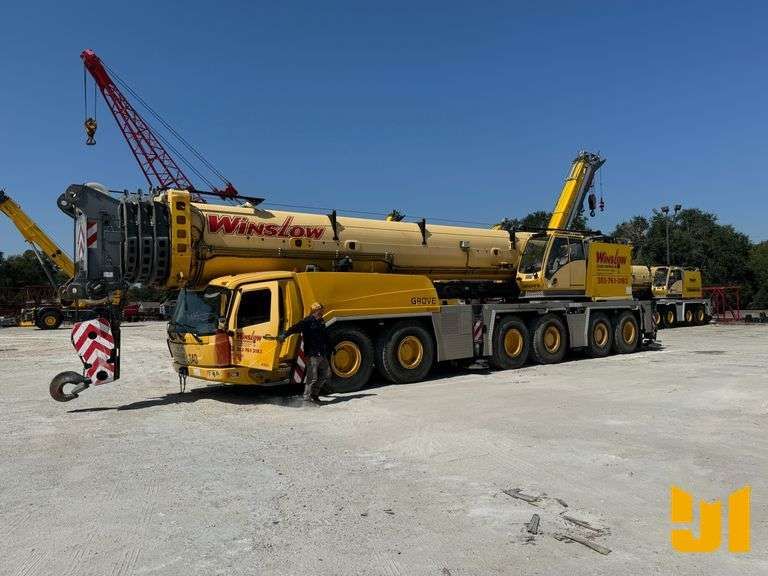
A contractor may need to replace an ageing crane, add equipment for a larger project or increase fleet capacity without purchasing new machinery.
A heavy equipment auction can bring equipment from different sellers into one marketplace, giving commercial buyers an opportunity to compare available machines.
The key is to buy according to operational requirements rather than simply bidding because a machine appears affordable.
Check Condition Before Placing a Bid
Equipment condition should be one of the first considerations.
Buyers should review available photos, specifications, operating hours, maintenance information and inspection details. When physical inspection is available, it can provide additional information about wear and the general condition of the machine.
For cranes and other specialised equipment, buyers should also consider how the machine was previously used and whether its configuration is suitable for their work.
Review Records and Equipment History
Commercial equipment purchases should also include a review of the available documentation.
Ownership records, serial numbers, maintenance history and supporting documents can provide useful information before bidding.
This is particularly important for contractors and fleet managers who may operate the equipment for several years before eventually selling or replacing it.
Understand the Equipment's Market Value
Auction buyers should research comparable equipment before deciding how much to bid.
Age, operating hours, configuration, condition and current marketplace demand can all influence value.
Setting a maximum bid in advance helps buyers stay focused on the business value of the equipment instead of getting caught up in competition during the auction.
Plan Transportation Before the Auction
Moving heavy equipment can add a significant cost to the purchase.
Before bidding, contractors should consider where the equipment is located and what will be required to transport it. Large cranes may require specialised hauling and additional planning.
Transportation costs, auction fees and other expenses should be considered alongside the bid amount when calculating the total acquisition cost.
Auctions Can Also Support Fleet Disposal
Fleet management is not only about buying equipment.
Construction companies, rental businesses and other equipment owners may eventually have machines that are no longer needed. This could happen because of fleet replacement, changing project requirements or a decision to reduce excess inventory.
Selling through an auction marketplace can provide a structured way to put those assets in front of commercial equipment buyers.
For contractors, auctions can therefore support the complete fleet cycle. Careful inspection, realistic valuation, disciplined bidding and proper transportation planning can help when buying, while an organised auction process can provide another option when it is time to sell or liquidate equipment.
Appreciate the creator