How Headless CMS Is Transforming Web Application Development
If you have been following web development trends lately, you may have heard the term "headless CMS" popping up everywhere. More and more companies are switching to it. And for good reason.
A few years ago, most websites were built using traditional content management systems. They worked fine for simple websites. But as businesses grew, they needed more. They needed faster websites, better user experiences, and the ability to manage content across many platforms at once.
That is where headless CMS comes in. It is changing the way developers build websites and apps. And it is doing it in a way that is smarter, faster, and more flexible.
What Is a Headless CMS?
Let us break it down simply.
A traditional CMS handles two things at once. It stores your content and it also controls how that content looks on your website. Think of it like a restaurant that cooks the food and also decides how it is plated and served.
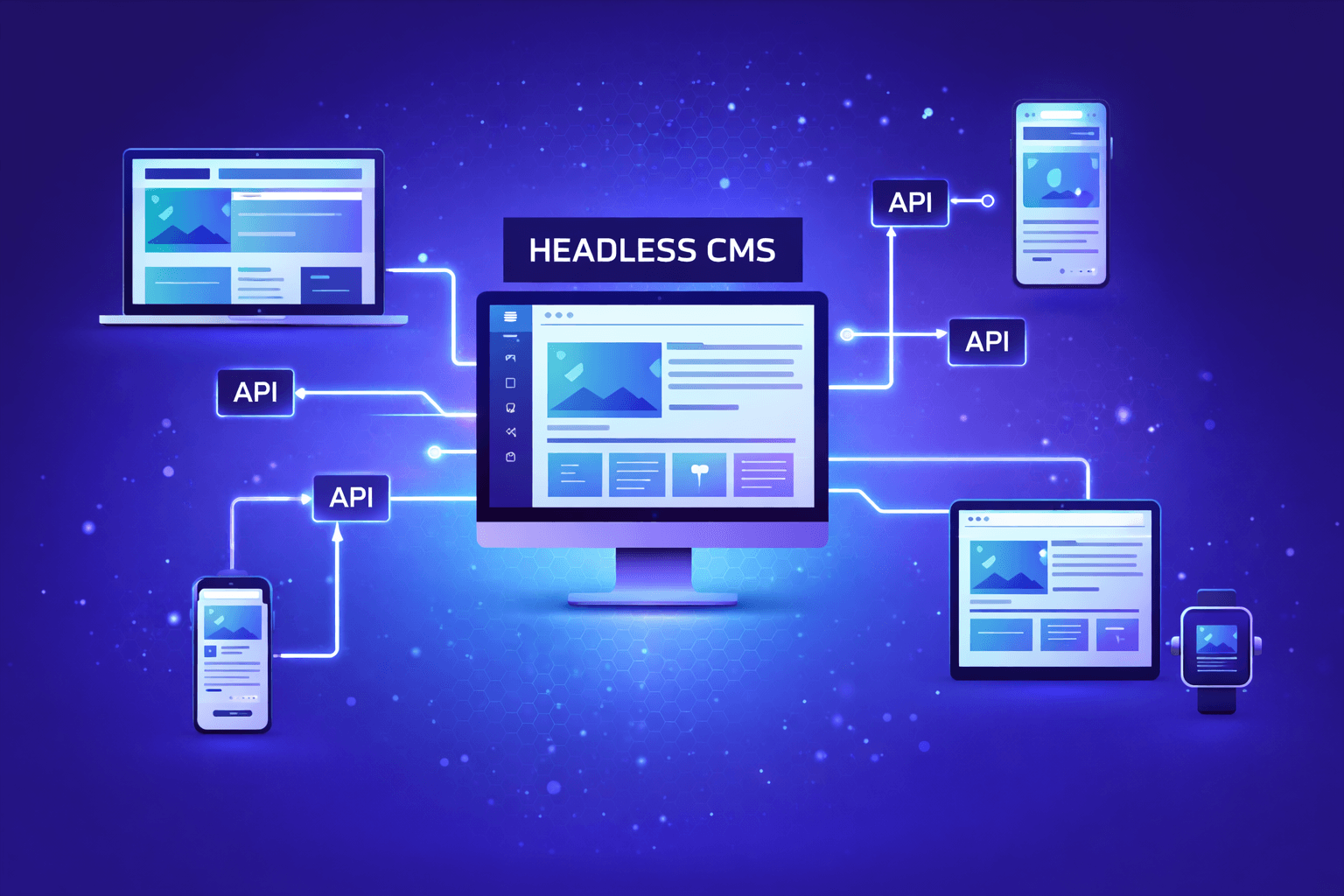
A headless CMS is different. It only stores and manages your content. It does not control how the content looks. That job is left to the developers. They can pull the content and display it anywhere they want — on a website, a mobile app, a smart TV, or even a digital billboard.
The word "headless" just means the front-end (the visible part of the website) is removed, or "cut off," from the back-end (where the content lives). The two parts talk to each other through something called an API. Think of it as a bridge that sends content from one place to another.
Why Businesses Prefer Headless CMS
Businesses love headless CMS because it gives them freedom.
With a traditional CMS, you are stuck with the design and structure it gives you. If you want to change something, it can take a lot of time and effort. With headless CMS, you are not locked in. Your developers can build the front-end however they want.
Here are a few reasons why businesses are making the switch:
Flexibility. You can show your content on any device or platform. One piece of content can go to your website, your app, and your social media tools — all at the same time.
Speed. Headless CMS setups are often faster. Since the front-end and back-end are separate, developers can work on both at the same time. This cuts down the time it takes to launch a project.
Better content management. Content teams can update and publish content without waiting for developers. This keeps things moving without delays.
Benefits of Using Headless CMS for Web Applications
When it comes to building web applications, headless CMS brings a lot to the table.
Faster development. Developers do not have to build everything from scratch. They can focus on building the front-end while the content team handles everything on the back-end. This saves a lot of time.
Better performance. Since the front-end is built separately, developers can use the latest tools and technologies. This often results in websites and apps that load faster and run more smoothly.
Easier updates. When you need to update content, you can do it in one place, and it goes everywhere. No need to update multiple websites or apps one by one.
Scalability. As your business grows, your system can grow with it. Headless CMS handles large amounts of content without slowing down.
Security. Because the content layer is separate from the display layer, there are fewer entry points for hackers. This makes headless CMS a safer option for many businesses.
How It Helps Modern Web Applications
Modern web applications need to do a lot. They need to be fast, easy to use, and work well on all devices. Headless CMS helps make all of this possible.
Developers can use their favourite tools and frameworks to build the front-end. They are not forced to work within the limits of a traditional CMS. This means they can build cleaner, faster, and more creative web applications.
Also, when your content lives in one central place, it is easier to keep everything consistent. Whether a user visits your website on a laptop or opens your app on a phone, they get the same content and the same experience.
For businesses that need to move fast and stay ahead, this kind of setup is a big advantage.
Real Examples Where Headless CMS Is Useful
Headless CMS works well in many types of projects.
eCommerce websites. Online stores need to show product details, prices, and images across websites and apps at the same time. Headless CMS makes it easy to manage all of that content in one place and push it everywhere instantly.
SaaS platforms. Software companies need to update their product pages, blog posts, and help docs often. With headless CMS, they can do all of that without involving the development team every single time.
Business websites. Companies with multiple offices or regions often need to show different content to different audiences. Headless CMS makes it simple to manage and deliver content for each market.
News and media websites. These websites publish a lot of content every day. Headless CMS helps them manage and deliver articles quickly and efficiently across different platforms.
How the Right Development Team Helps
Having the right tools is important. But having the right team matters just as much.
Building a headless CMS setup is not something every team can do well. It requires experience with APIs, front-end frameworks, and content architecture. This is where working with a skilled web application development agency in USA can make a huge difference. They understand how to design and build systems that are fast, reliable, and easy to manage for the long term.
A good development partner will not just set things up and leave. They will help you choose the right CMS platform, plan your content structure, and build a front-end that fits your business goals. They will also make sure your system can grow as your needs change.
For companies looking to build scalable and modern digital products, teaming up with a trusted web application development agency in the USA gives them a real edge. They bring the technical knowledge and the experience to get it right.
Conclusion
Headless CMS is not just a trend. It is becoming the new standard for how websites and apps are built.
It gives businesses the flexibility to show their content anywhere. It helps developers build faster and better. And it helps content teams work without depending on developers for every small change.
As more businesses move toward multi-platform experiences, the demand for headless CMS will only keep growing. If you are planning to build or upgrade a web application, it is worth looking into how a headless CMS can fit into your plans.
The future of web development is flexible, fast, and content-first. And headless CMS is right at the centre of it.
Appreciate the creator