How Gaming Tech is Influencing Virtual Education
The world of education is evolving rapidly, and technology has become a central driver of this transformation. Among the most influential technologies shaping modern learning is gaming technology. While gaming is often associated with entertainment, its impact extends far beyond leisure, offering innovative tools and strategies that are reshaping virtual education. Insights from Erone show how immersive learning environments and gamified lesson plans are changing how students engage, retain information, and collaborate.
Immersive Learning Through Virtual Reality
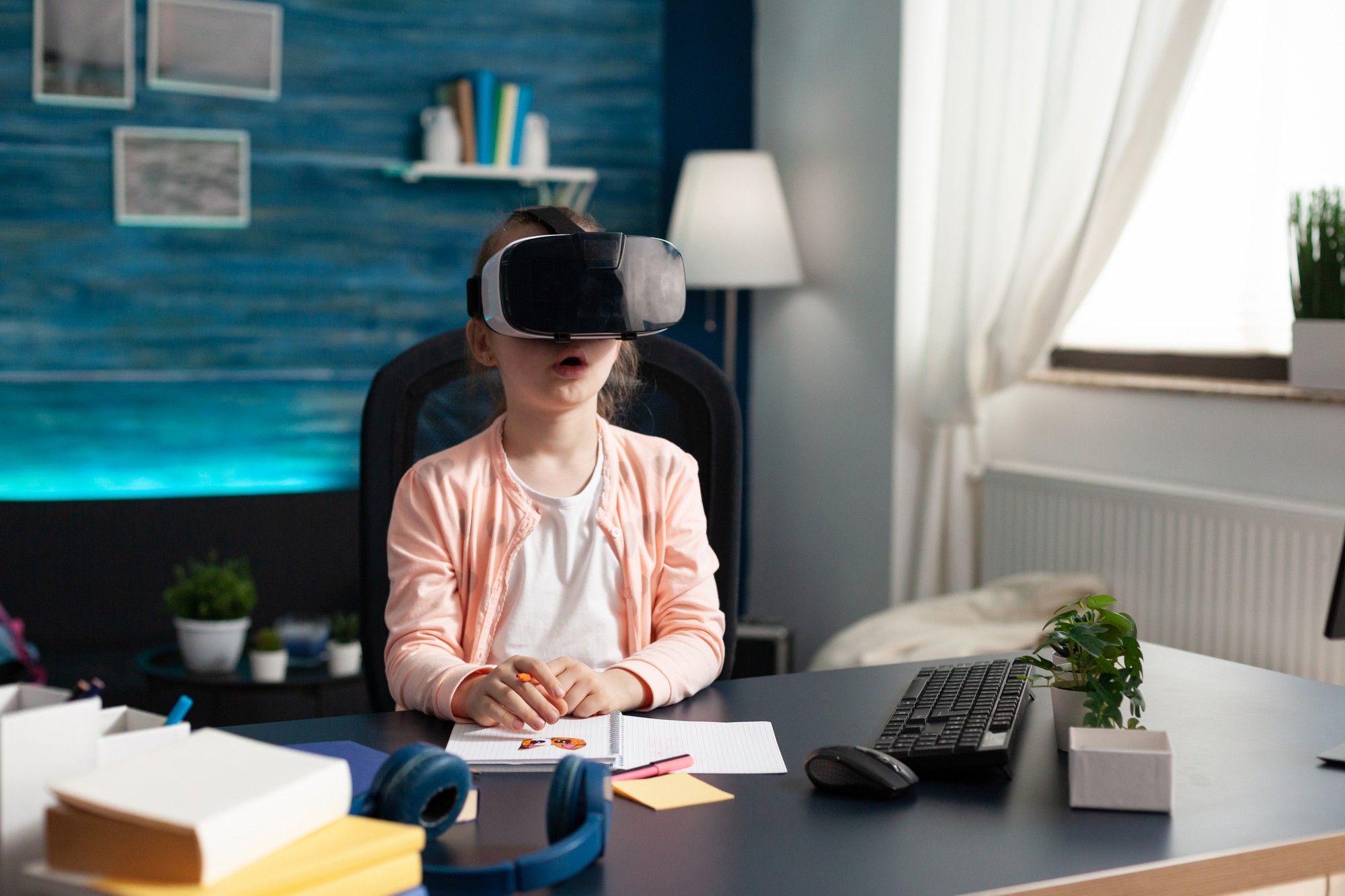
One of the most notable ways gaming technology is influencing virtual education is through Virtual Reality (VR). VR, once a niche in the gaming world, is now being applied to educational contexts:
Realistic Simulations: Students can explore complex environments, such as historical landmarks, scientific laboratories, or outer space, without leaving their homes.
Hands-On Practice: Medical, engineering, and art students benefit from simulations that allow safe experimentation and practice of real-world tasks.
Enhanced Engagement: Immersive visuals and interactive scenarios make learning more captivating, reducing distractions commonly found in traditional online classrooms.
By leveraging VR, educators can create experiences that are not only informative but also memorable, boosting retention and understanding.
Gamification of Lessons
Another powerful influence of gaming tech on virtual education is gamification. Gamification involves incorporating game-like elements into learning platforms, which can transform a standard lesson into an engaging experience:
Point Systems and Rewards: Students earn points, badges, or other incentives for completing lessons or reaching milestones.
Challenges and Quests: Lessons structured like missions or challenges make content more exciting and encourage problem-solving skills.
Leaderboards: Healthy competition motivates students to participate actively and strive for improvement.
By turning education into an interactive experience, gamification helps students remain motivated and actively involved in their learning journey.
Interactive Learning Tools Inspired by Gaming
Gaming technology has introduced interactive tools that make learning more dynamic. Many virtual education platforms now include elements inspired by game design:
Adaptive Learning Systems: These systems adjust difficulty levels based on a student’s performance, similar to leveling up in games.
Story-Based Lessons: Narrative-driven content helps students connect with material emotionally and intellectually.
Collaborative Missions: Students work together in virtual teams, solving problems in real-time, much like cooperative multiplayer games.
These tools not only make learning more fun but also teach essential skills like teamwork, critical thinking, and adaptability.
Virtual Labs and Experiential Learning
Just as gaming allows players to interact with complex environments, gaming tech enables virtual labs for experiential learning:
Science Experiments: Students can conduct chemical reactions or physics experiments safely in a virtual lab.
Engineering Simulations: Learners can design and test virtual machines, circuits, or structures.
Medical Training: Aspiring doctors practice surgeries and patient care in a controlled virtual setting, improving skills without risks.
Virtual labs bridge the gap between theoretical knowledge and practical application, making learning more effective.
Social Interaction and Collaborative Learning
One overlooked benefit of gaming technology in education is its ability to foster social interaction:
Virtual Classrooms: Platforms with multiplayer features allow students to interact in shared virtual spaces.
Team-Based Projects: Collaborative assignments in virtual environments promote teamwork and communication skills.
Mentorship Opportunities: Experienced learners or instructors can guide others in real-time, similar to online gaming communities.
For enthusiasts who are passionate about gaming, you can write for us gaming and share your experiences to help others navigate virtual learning. By incorporating these social elements, virtual education platforms can replicate the communal aspects of traditional schooling, which are essential for personal and academic growth.
Enhancing Cognitive Skills
Gaming technology has long been recognized for its cognitive benefits, many of which carry over into virtual education:
Problem-Solving: Many educational games present challenges that require strategic thinking.
Memory Retention: Repetition, visual cues, and interactive content help strengthen memory.
Decision-Making: Students learn to make quick, informed decisions in simulations and game-like scenarios.
These skills, while developed in a fun environment, translate to improved academic performance and real-life problem-solving abilities.
Accessibility and Personalized Learning
Gaming tech also enhances accessibility and personalization in virtual education:
Customizable Avatars: Students can navigate learning environments in ways that suit their preferences, increasing comfort and engagement.
Inclusive Design: VR and game-based tools can accommodate students with different abilities, offering alternative ways to participate and learn.
Self-Paced Learning: Game-inspired platforms allow learners to progress at their own speed, revisiting difficult topics until mastery is achieved.
Personalization ensures that each student has the opportunity to succeed, regardless of their learning style or background.
Challenges and Considerations
While gaming technology offers numerous benefits for virtual education, it also comes with challenges:
Cost of Implementation: High-quality VR equipment and software can be expensive for schools and students.
Technical Skills Required: Both educators and students need training to use advanced gaming tools effectively.
Balancing Fun and Focus: Overemphasis on game elements may distract from educational goals.
Educators must carefully design learning experiences that balance engagement with academic rigor to maximize the benefits of gaming tech.
The Future of Gaming in Education
The future of virtual education looks increasingly intertwined with gaming technology:
Expanded VR and AR Applications: Augmented Reality (AR) will complement VR by overlaying educational content onto the real world.
AI-Driven Learning Games: Artificial Intelligence will adapt content to individual needs more intelligently, creating personalized experiences at scale.
Global Collaborative Platforms: Students worldwide can connect in shared virtual environments, breaking geographical barriers and enriching cultural understanding.
As gaming technology continues to advance, its potential to transform education is enormous, offering exciting possibilities for learners and educators alike.
Conclusion
Gaming technology is no longer just a tool for entertainment, it is becoming a catalyst for innovation in virtual education. From immersive VR experiences to gamified lessons, interactive learning tools, and collaborative virtual environments, it is transforming how students engage with knowledge. While challenges exist, the benefits of enhanced engagement, improved cognitive skills, and personalized learning make gaming technology an invaluable asset for the future of education. By embracing these innovations thoughtfully, educators can create virtual learning experiences that are not only effective but also exciting and meaningful.
Appreciate the creator