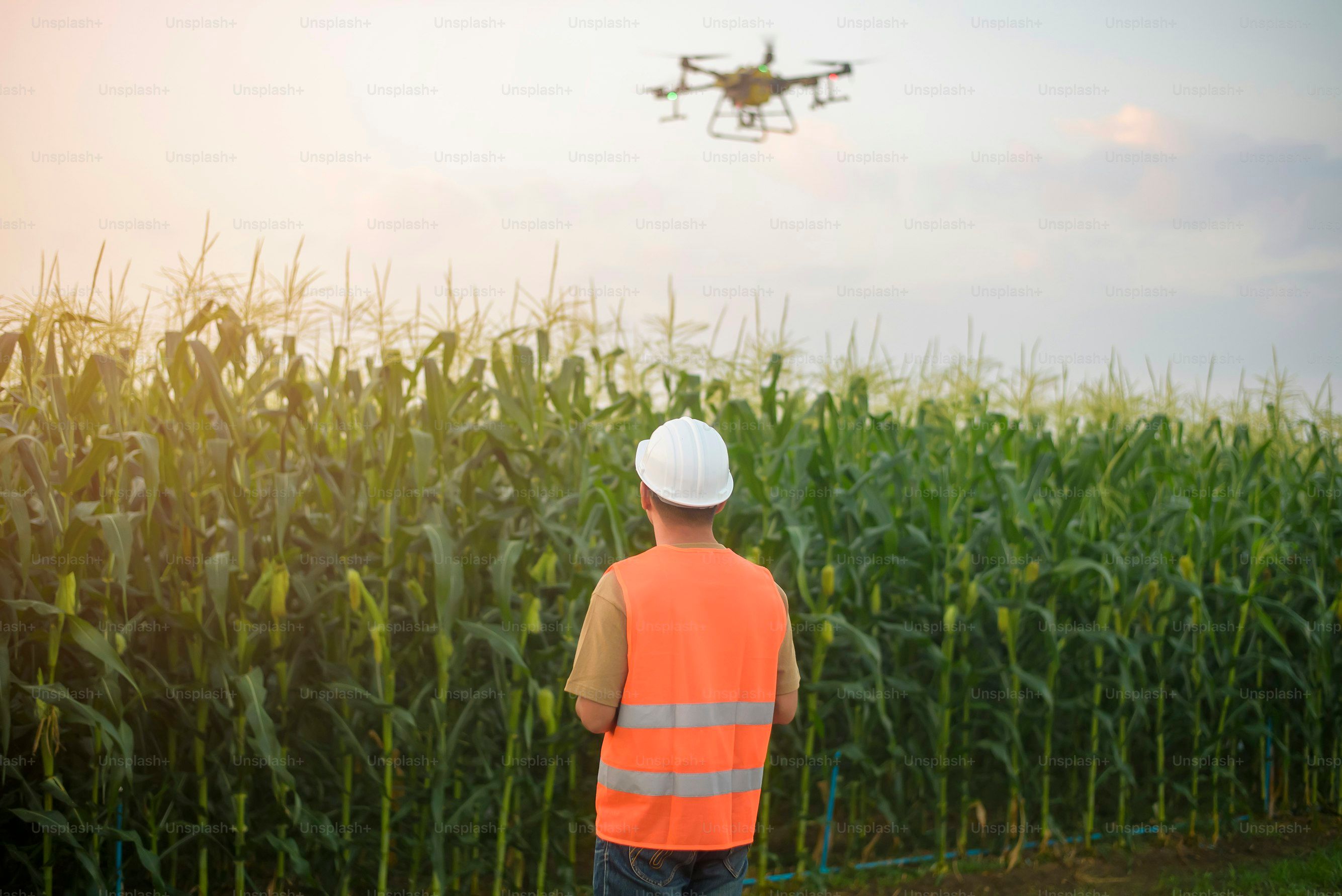
How Drone Spraying Helps Zaid Crop Farmers Beat the Heat Efficiently?
Zaid crops are those fast-growing crops planted between the Rabi & Kharif seasons. It is often grown during the hot summer months from March to June. Some of the common Zaid crops are watermelon, cucumber or muskmelon.
Zaid crops are great for short-term returns. However, crop management can be difficult during this season due to the extreme heat or water shortages.
That's where Kisan drones are helping farmers manage Zaid crops more efficiently and with less manual effort. Drones assist farmers by spraying fertilisers or pesticides & monitoring crop health.
Let's explore more about how drone technology can improve crop yields while addressing summer farming challenges. It's time to see how drones can make your work easier with higher yields!
What Are the Challenges Faced by Zaid Crop Farmers?
Growing Zaid crops during the peak summer months is not that easy. Some of the problems most farmers face are as follows.
Intense Heat & Water Scarcity
Hot weather causes crops to stress out quickly, as well as water becomes scarce. Despite the great need for irrigation, water supplies are often inadequate.
More Pest Attacks & Faster Spray Evaporation
The heat causes sprays to evaporate quickly as well as attracting more pests. It reduces their effectiveness, alongside necessitating more repeat treatments.
Rising Input Costs
Undoubtedly, finding farm workers during summer is tough. The cost of labour or chemicals adds up fast, reducing profits.
Timely Spraying
Watermelon & cucumber are heat-sensitive Zaid crops that need timely spraying for good crop health.
What Is Drone Spraying and How Does It Work?
Drone spraying is a modern farming method where agricultural drones precisely spray pesticides or fertilisers over crops. Drones fly over the crops to do the task from the air to save time or labour instead of walking through fields or using large tractors.
There are two main types of drones in India. They are fixed-wing & multi-rotor drones. The multi-rotor drone is mainly used in India for spraying. Agriculture drone spraying comes with:
A spray tank to carry the liquid solution.
Nozzles that release the spray uniformly across the crops.
GPS & sensors for accurate flight paths.
Automation features that allow pre-set routes or spray controls.
All you have to do is map your area & load the chemicals to let the drone do the rest!
Benefits of Drone Spraying for Zaid Crop Farmers
Efficient Use of Water & Chemicals
Drone spraying's pinpoint accuracy is one of its primary benefits. A drone can spray precisely the fertiliser required, rather than overpowering your crops.
That means less wastage of water or chemicals, allowing you to save money as well as protect the environment. It is helpful for Zaid's crops that need precise chemical sprays.
Reduces Farmer Exposure to Heat
It isn't easy to work in the scorching heat. Due to drone spraying, farmers no longer need to walk through fields during the hottest parts of the day. Farmers can also avoid heat exhaustion by controlling drones remotely.
You get more done in less time without putting your health in danger during the scorching summer months of the Zaid season.
Saves Time & Labour
Spraying using a drone saves a lot of time. We can now cover acres in minutes instead of the hours it used to take in manual spraying. Drones are more helpful when workers are scarce or when your crops need immediate care.
Drones do the job quickly, whether early morning or late evening. It allows farmers to focus on other farm tasks.
Better Spray Coverage
Drones are great at precisely directing the spray even in difficult-to-reach areas or uneven terrain. They fly low to make sure every part of your field gets uniform coverage.
There will be no more overspray or missed locations that might damage your crops. Your Zaid crops grow healthier when you evenly spray.
Data-Driven Farming
Drones do more than just spraying pesticides or fertilisers. They also collect valuable data like Normalised Difference Vegetation Index & crop health insights. This lets you understand precisely where to focus your efforts in your field.
This data will enable you to make more informed choices, such as adjusting spray schedules or identifying early symptoms of stress, throughout the challenging summer season.
Cost Factor: Is Drone Spraying Affordable?
Drone spraying seems expensive, but it is cost-effective compared to traditional methods. The use of chemicals is frequently wasted due to the increased time or effort required for manual spraying.
Drones can cover more area in less time with less fuel or pesticide. Many farmers now use drone-on-rent services, where you only pay per acre without buying a drone. The government is also subsidising agri-tech, which brings the price down even more.
Drone spraying can increase profitability or overall agricultural expenses over time. It’s an investment that can pay off quickly if used smartly.
The Final Thoughts
Drone spraying makes it possible to farm Zaid crops even in the peak of summer. Drones are a great way to get large farms sprayed effectively. Drone technology is more affordable due to the agriculture drone rental options.
Let drones work while you stay cool if you're ready to farm smarter this summer!
Appreciate the creator