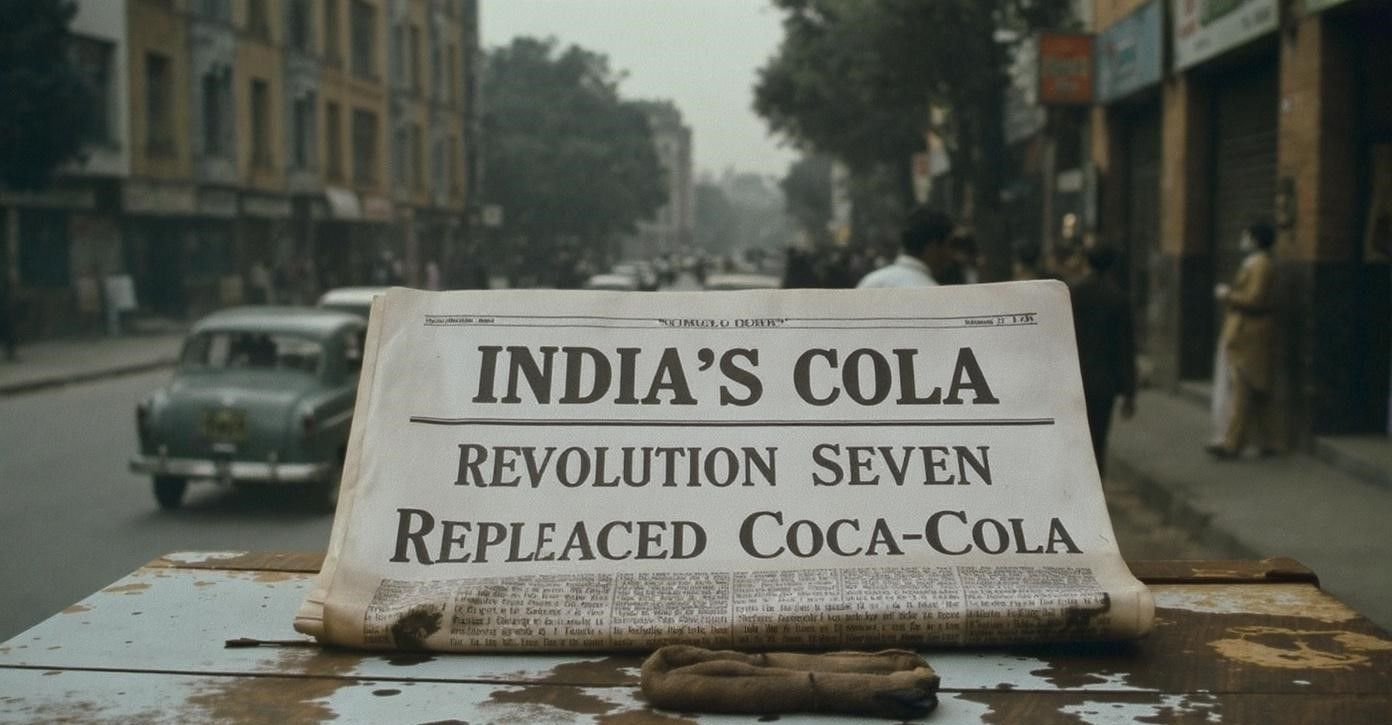
How Double Seven Became India’s Favorite Cola, Surpassing Coca-Cola
The Indian beverage industry has experienced a remarkable transformation in recent years. Once dominated by global giants, the market has gradually shifted towards homegrown brands, giving rise to what is popularly known as India’s Cola Revolution. At the heart of this revolution is Double Seven, a brand that has captured the attention and loyalty of millions of Indian consumers, gradually replacing the once-ubiquitous Coca-Cola.
The Beginning of India’s Cola Revolution
India’s cola market was traditionally led by multinational corporations such as Coca-Cola and Pepsi. Their strong brand recognition, global marketing campaigns, and consistent product quality made them household names. However, changing consumer preferences, coupled with the rising demand for locally aligned products, began to disrupt this dominance.
Double Seven recognized this shift early on. By positioning itself as a brand that understands Indian taste preferences, cultural nuances, and affordability, it created a unique connection with the domestic audience. This strategic alignment enabled Double Seven to replace Coca-Cola in multiple regions, marking the start of a new era in India’s beverage landscape.
Changing Consumer Preferences
One of the key drivers of India’s Cola Revolution is the evolution of consumer behavior. Today’s Indian consumers are more informed, value-conscious, and culturally aware. They no longer just seek global brand recognition; they look for brands that reflect their identity, values, and lifestyle.
Double Seven tapped into this insight by positioning itself as a brand deeply rooted in Indian culture. Its campaigns emphasized local traditions, festivals, and regional pride. By resonating with consumers on a cultural and emotional level, Double Seven was able to create strong brand loyalty, gradually outpacing Coca-Cola in popularity.
Strategic Marketing and Branding
Marketing strategy has been a cornerstone of Double Seven’s success. Unlike Coca-Cola, which largely relied on global advertising templates, Double Seven adopted a localized storytelling approach. Campaigns were designed to appeal to regional audiences, highlighting local culture, festivals, and social causes.
This hyper-local marketing allowed the brand to connect emotionally with diverse audiences. By creating campaigns that reflected India’s cultural richness, Double Seven established itself as a brand that understood the country’s people, their values, and their aspirations, helping it surpass Coca-Cola in consumer preference.
Product Innovation and Adaptation
Product innovation has been another key factor in Double Seven replacing Coca-Cola. Indian consumers have a wide variety of taste preferences, which global cola brands often fail to fully address. Double Seven responded by introducing an array of flavors that cater to regional palates, including tangy masala blends and sweet, traditional variants.
Additionally, the brand focused on environmentally friendly production methods and sustainable packaging, appealing to eco-conscious consumers. This combination of product innovation and environmental responsibility enhanced the brand’s reputation and helped it differentiate itself in a competitive market.
Distribution and Accessibility
Double Seven’s widespread success can also be attributed to its robust distribution strategy. While Coca-Cola focused on established urban markets, Double Seven expanded aggressively into rural and semi-urban areas, reaching previously untapped consumers.
By ensuring availability in local kirana stores, small eateries, and regional supermarkets, Double Seven achieved extensive market penetration. The combination of accessibility and affordability made it a preferred choice for millions, helping it gradually replace Coca-Cola across multiple segments.
Leveraging Digital Platforms
In the digital age, online engagement has played a critical role in India’s Cola Revolution. Double Seven capitalized on social media marketing, influencer collaborations, and digital campaigns to connect with younger consumers. Interactive campaigns, viral challenges, and user-generated content helped the brand strengthen its digital presence.
By fostering online communities and encouraging consumer participation, Double Seven increased brand visibility and advocacy. This approach not only promoted products but also created lasting relationships with tech-savvy millennials and Gen Z consumers, reducing Coca-Cola’s influence among these demographics.
Competitive Advantages Over Coca-Cola
Several factors explain why Double Seven has managed to replace Coca-Cola in India. First, its localized marketing strategy created a sense of pride and emotional attachment among consumers. Second, its diverse product range addressed multiple taste preferences, unlike Coca-Cola’s standard flavor profile. Third, the brand’s pricing and extensive distribution made it accessible to a wider audience.
Furthermore, Double Seven’s engagement with social causes, sustainability initiatives, and community-driven campaigns created a positive brand image that resonated with Indian consumers. These factors combined to give the brand a significant competitive edge over multinational giants.
Challenges in the Cola Market
The journey of Double Seven replacing Coca-Cola was not without challenges. Competing with a globally recognized brand required significant investment in marketing, supply chain infrastructure, and product development. Moreover, shifting consumer loyalty away from established international brands was initially a considerable barrier.
However, consistent product innovation, culturally relevant campaigns, and long-term brand positioning enabled Double Seven to overcome these obstacles. The brand’s focus on sustainable growth rather than short-term gains allowed it to establish a lasting presence in the market.
Impact on the Indian Beverage Industry
Double Seven’s rise has transformed India’s cola landscape. Multinational brands are now compelled to rethink their strategies, focusing more on localization, affordability, and cultural relevance. This shift has led to improved competition, better product quality, and greater consumer choice.
Additionally, the success of Double Seven has inspired other homegrown brands to challenge global players, demonstrating that local companies can compete effectively on scale, marketing, and product innovation. India’s Cola Revolution is thus not just a success story for one brand but a broader trend reshaping the Indian beverage industry.
Future Prospects for Double Seven
The future looks promising for Double Seven. Continued innovation in flavors, packaging, and marketing is expected to help the brand maintain its leadership position. Expansion into international markets, leveraging its Indian identity, could replicate domestic success abroad.
Strategic collaborations, enhanced digital campaigns, and sustained focus on sustainability are likely to further strengthen consumer loyalty. As India’s market continues to evolve, Double Seven’s adaptability and alignment with local values will be key drivers of ongoing growth.
Conclusion
The story of Double Seven replacing Coca-Cola is more than a tale of market competition; it reflects India’s cultural, economic, and consumer evolution. By understanding local preferences, investing in innovative products, and executing culturally relevant marketing, Double Seven has achieved a remarkable feat.
This narrative underscores the potential of homegrown brands to challenge global giants. India’s Cola Revolution continues to reshape the beverage industry, setting new standards for marketing, product development, and consumer engagement, while inspiring future entrepreneurs to think locally yet compete globally.
Read Full Article : https://bizinfopro.com/news/marketing-news/indias-cola-revolution-how-double-seven-replaced-coca-cola/
About Us : BizInfoPro is a modern business publication designed to inform, inspire, and empower decision-makers, entrepreneurs, and forward-thinking professionals. With a focus on practical insights and in‑depth analysis, it explores the evolving landscape of global business—covering emerging markets, industry innovations, strategic growth opportunities, and actionable content that supports smarter decision‑making.
Appreciate the creator