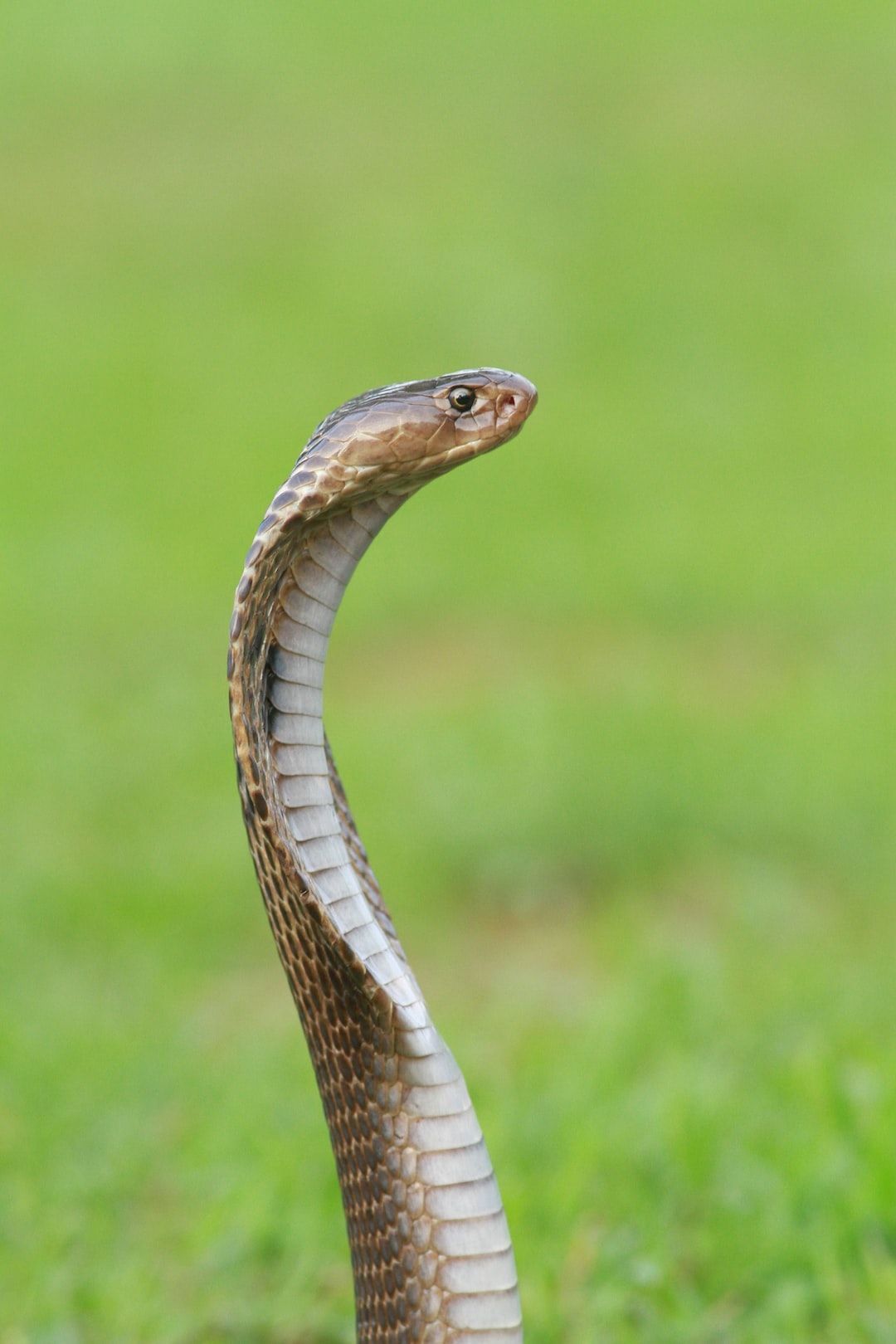
How Do Snakes Swallow Their Prey Whole
Snakes are fascinating creatures with a unique and often misunderstood method of consuming their prey whole. While many people envision snakes dislocating their jaws to achieve this feat, the reality is both simpler and more complex. In this article, we'll explore the remarkable process of how snakes swallow their prey whole, shedding light on the anatomy and behaviors that make this astonishing feat possible.
Anatomy of Swallowing
The ability to swallow prey whole is a remarkable adaptation that sets snakes apart from other animals. To comprehend how this process works, we must first understand some key aspects of a snake's anatomy:
Elastic Jaw Structure: Snakes possess a pair of highly flexible and loosely connected jaws, allowing them to open their mouths extremely wide. Contrary to popular belief, their jaws are not dislocated during feeding.
Quadrates and Lower Jaw: Snakes have a pair of bones called quadrates that are not fused. This unique feature allows their lower jaw to move independently, increasing their mouth's gape.
Stretchy Ligaments: Elastic ligaments connect the snake's jawbones, further enabling their mouths to stretch open. These ligaments enable the snake to accommodate prey much larger than their head.
Fixed Teeth: Snakes have sharp, backward-facing teeth designed to grip and secure their prey. These teeth are instrumental in initiating the swallowing process.
Swallowing Process
The act of swallowing prey whole is a complex, step-by-step process that showcases a snake's remarkable adaptability:
Capture and Constriction: Snakes typically capture their prey through various methods such as striking, ambushing, or constricting. Constrictor species squeeze their prey to immobilize it before ingestion.
Initiating Swallowing: Once the prey is subdued, the snake aligns its jaws with the prey's body, beginning with the head. The snake then alternates between hooking its upper and lower jaws over the prey's body.
Ingestion: Slowly and methodically, the snake begins to inch its way over the prey, working its jaws around the body. This process can take time, especially with larger prey.
Gastrointestinal Adaptations: Snakes have a specialized digestive system that accommodates large meals. Their stomachs and other digestive organs can expand significantly to process the meal efficiently.
Digestion: Once the prey is swallowed, digestion begins. Snakes have powerful digestive enzymes that break down the prey's tissues, making it easier for nutrients to be absorbed.
Regurgitation: In some cases, when a snake is disturbed or stressed after a large meal, it may regurgitate its meal to escape a threat or reduce the burden on its body. If you want to clear your more concepts you can read animalgrab
Adaptations for Prey Size
The size of prey that a snake can consume whole depends on its own size and species. Larger snakes can ingest larger prey items. Pythons, for instance, are known for swallowing prey such as deer or antelope whole. Smaller snakes, like garter snakes, feed on smaller prey like insects, amphibians, or small rodents.
Appreciate the creator