How Do Airway Clearance Techniques Help You Breathe Better
Airway Clearance Techniques Airway Clearance Techniques are simple yet powerful methods used to help clear mucus from the lungs and improve breathing. These techniques are designed to support people who feel breathless or struggle with chest congestion. They are widely used in respiratory care because they help the lungs stay clean and function more efficiently. When the airways are clear breathing feels lighter and daily activities become easier to manage.
The lungs naturally produce mucus to trap dust germs and other particles. In a healthy system this mucus is cleared without effort. However when someone is unwell or has a long term breathing condition mucus can build up and become thick. This can make breathing uncomfortable and sometimes lead to infections. Airway Clearance Techniques help solve this problem by assisting the body in removing excess mucus in a safe and controlled way.
One of the main goals of Airway Clearance Techniques is to improve airflow inside the lungs. When mucus blocks the airways air cannot move freely which reduces oxygen levels in the body. By using different techniques the mucus is loosened and moved out of the lungs. This helps improve oxygen intake and supports overall lung health. Many people notice they feel less tired and more active after regularly using these methods.
Controlled breathing is one of the simplest and most important parts of Airway Clearance Techniques. This involves taking slow deep breaths that fully expand the lungs. When the lungs fill with air properly it helps shift mucus from smaller airways toward larger ones. This makes it easier to clear. Controlled breathing also helps calm the body and reduces the feeling of breathlessness.
Another helpful method is controlled coughing. Many people think coughing is automatic but when done correctly it becomes more effective. Controlled coughing involves taking a deep breath holding it briefly and then coughing strongly but in a controlled way. This helps bring mucus from deep in the lungs up to the throat where it can be cleared. It reduces strain on the chest and makes coughing more productive.
Postural drainage is another important part of Airway Clearance Techniques. This method uses different body positions to help gravity move mucus out of the lungs. For example lying on one side or leaning forward can help drain mucus from specific areas. These positions are usually held for a few minutes while breathing deeply. This simple technique uses the natural force of gravity to support lung cleaning.
Percussion is also commonly used in airway clearance care. It involves gently tapping on the chest or back with cupped hands. This tapping motion helps loosen thick mucus that may be stuck in the airways. Once loosened the mucus becomes easier to move and cough out. Percussion is often done by a caregiver or therapist but can also be taught for safe home use.
Vibration is another supportive method. This technique involves placing hands on the chest and creating a gentle shaking movement while the person breathes out. This helps move mucus toward larger airways. It is often used along with other techniques to improve overall effectiveness. Together percussion and vibration make it easier for the lungs to clear unwanted secretions.
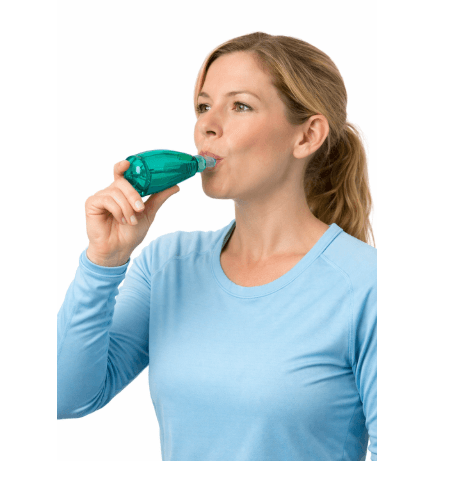
Some people also use devices as part of Airway Clearance Techniques. These devices are designed to create airflow resistance or vibrations that help loosen mucus. They can be especially helpful for people who need regular airway support. Using these tools can make daily lung care easier and more consistent. They are often used alongside breathing exercises for better results.
Hydration plays a very important role in airway health. Drinking enough water helps keep mucus thin and easier to move. When mucus is thick it becomes harder to clear from the lungs. Staying well hydrated supports all Airway Clearance Techniques and improves their effectiveness. Warm drinks can also provide extra comfort and help loosen chest congestion.
Gentle exercise is another natural way to support airway clearance. When the body moves breathing becomes deeper and more active. This helps shift mucus and improve lung function. Activities like walking stretching or light movement can make a big difference. Exercise also helps strengthen the respiratory muscles which supports better breathing over time.
Airway Clearance Techniques are especially helpful for people with long term respiratory conditions. These may include conditions where mucus buildup happens regularly. For these individuals airway clearance becomes an important part of daily care. It helps reduce symptoms prevent infections and improve quality of life. Even people recovering from illness can benefit from these techniques during their healing process.
Learning how to use Airway Clearance Techniques correctly is very important. Guidance from a trained health professional ensures that the methods are safe and effective. Everyone has different needs so techniques may be adjusted based on individual conditions. With proper instruction people can confidently perform these methods at home as part of their routine care.
Consistency is key when using Airway Clearance Techniques. Doing them regularly helps keep the lungs clear and reduces the chance of mucus buildup. Many people include these techniques in their morning or evening routine. Over time this consistency leads to better breathing comfort and improved lung performance.
Safety is also important during practice. While these techniques are generally gentle they should never cause pain or discomfort. If any method feels too difficult it should be adjusted or stopped. Listening to the body ensures that airway clearance remains helpful and not stressful. Support from a healthcare provider can help make these adjustments when needed.
The benefits of Airway Clearance Techniques go beyond just physical health. When breathing becomes easier people often feel more confident and less anxious. Struggling to breathe can be stressful but having tools to manage it brings peace of mind. This emotional support is an important part of overall well being.
Better breathing also improves sleep quality. When the airways are clear at night the body can rest more deeply. This leads to more energy during the day and better focus in daily activities. Small improvements in breathing can create noticeable changes in overall lifestyle and comfort.
In conclusion Airway Clearance Techniques are valuable tools for supporting lung health and improving breathing. They include breathing exercises controlled coughing body positioning physical methods and sometimes devices. With regular use hydration and gentle movement these techniques help keep the airways clear and functioning well. They offer both physical relief and emotional comfort making everyday life easier and more enjoyable.
Appreciate the creator