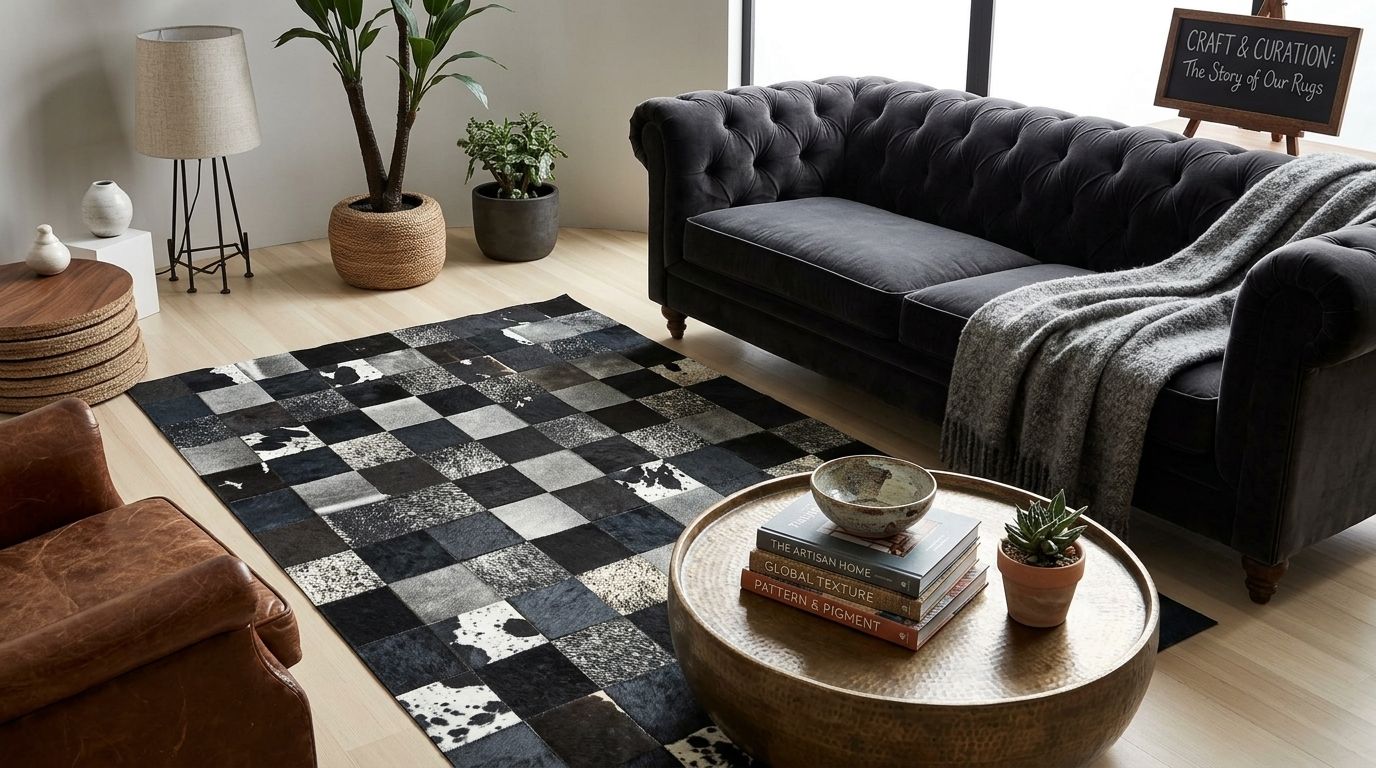
How Designers Use Cowhide Rugs to Add Contrast in Minimalist Spaces
Minimalist interiors have become a defining style of modern living. Clean lines, neutral palettes, and open spaces dominate homes and design studios alike.
But minimalism comes with a common challenge. When everything is visually restrained, spaces can start to feel flat or emotionally cold. This is where contrast becomes essential.
Designers are increasingly turning to organic materials to solve this issue, and one of the most effective tools is the cowhide rug. It introduces texture, movement, and natural variation without disrupting the simplicity of the space.
In modern interiors, cowhide area rugs are no longer seen as rustic accents. They are now strategic design elements used to bring depth and balance to minimalist environments.
Why Minimalist Spaces Need Visual Contrast
Minimalist design is built on reduction. Fewer objects. Cleaner surfaces. Neutral tones. While this creates calmness, it can also reduce visual engagement.
Without contrast, the eye has nothing to rest on. The space can feel uniform and emotionally distant. Designers solve this by introducing controlled disruption. Contrast in minimalism doesn’t mean clutter. It means intentional variation.
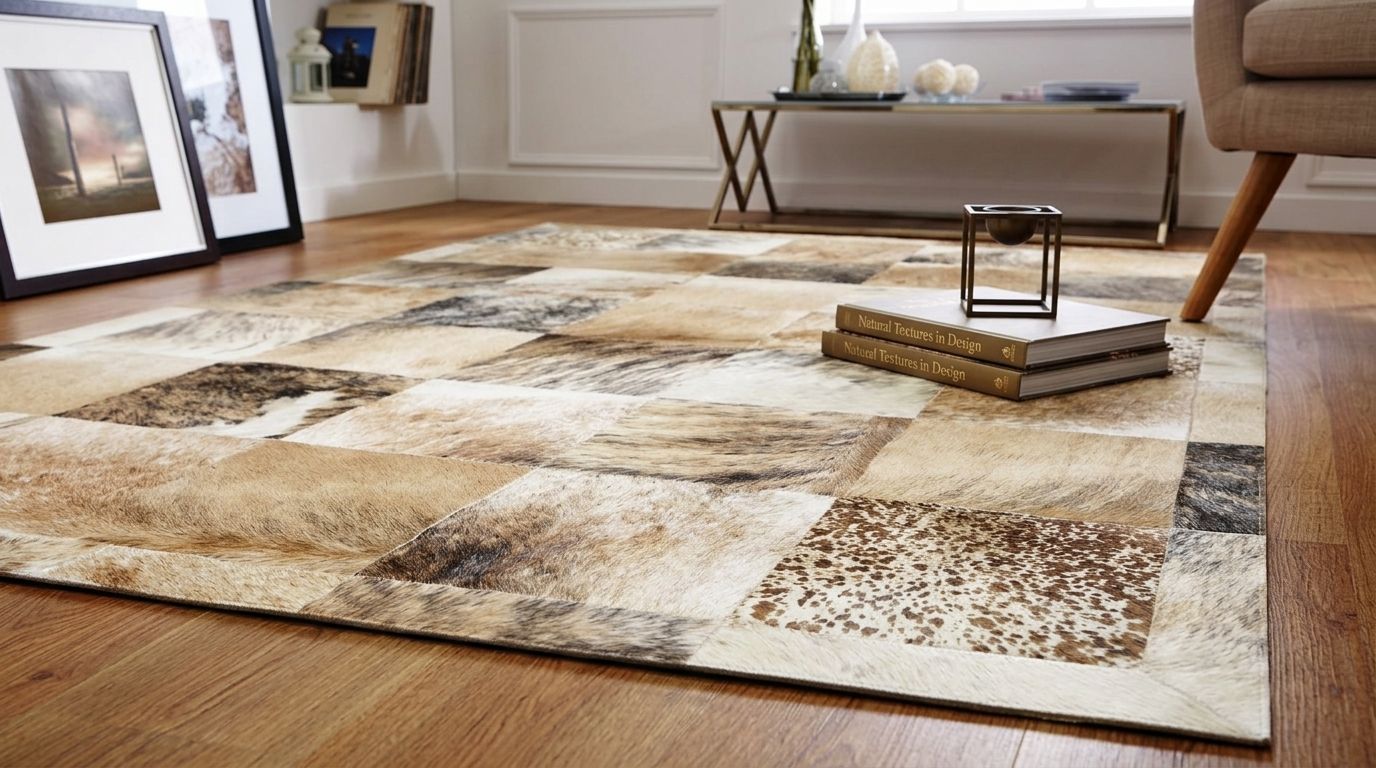
This can come from:
Texture differences
Organic shapes
Subtle tonal shifts
Natural imperfections
Cowhide area rugs fit perfectly into this principle because they break repetition without overwhelming the design.
The Organic Shape Advantage in Modern Interiors
One of the strongest features of cowhide rugs is their irregular shape. Unlike traditional rectangular rugs, cowhide pieces do not follow rigid geometry. This makes them visually softer and more dynamic. In minimalist interiors where straight lines dominate, this organic form becomes a subtle focal point.
It creates:
Movement within static layouts
Contrast against structured furniture
Balance between softness and precision
This contrast is what makes the space feel curated rather than empty. Designers often place cowhide rugs under coffee tables, reading chairs, or open seating areas to break the uniformity of flooring without adding visual noise. The result is a space that still feels minimal—but far more engaging.
Texture as a Design Tool, Not Just Decoration
In modern interior design, texture is just as important as color. Minimalist palettes often rely on whites, greys, beiges, and earth tones. Without texture, these colors can blend into one another too smoothly.
Cowhide rugs introduce natural variation through:
Fine hair texture
Subtle tonal patterns
Organic surface irregularities
These details create depth without requiring additional objects or decoration. This is why designers treat cowhide not as an accessory, but as a foundational layer in interior composition.
When paired with materials like linen, wood, or matte metal, the contrast becomes even more effective. Each surface highlights the others, resulting in a balanced, multi-dimensional space.
Layering Cowhide Rugs in Contemporary Design
Layering is one of the most effective techniques used in modern interior styling. Instead of relying on a single bold statement, designers build depth through overlapping textures and materials.
Cowhide rugs are often used as a top-layer accent over:
Neutral wool rugs
Large jute bases
Polished hardwood flooring
This approach softens the geometry of a room while maintaining structure.
It also helps define functional zones in open-plan layouts, especially in living rooms and studio apartments.
For example, placing a cowhide rug beneath a low-profile seating arrangement can subtly separate the lounge area from dining or workspace zones without using physical barriers.
Curated design collections such as Kareliasandsons illustrate how these organic materials are being used in layered, contemporary interiors where contrast and restraint work together.
The key is not dominance, but balance—allowing the rug to enhance the space without defining it entirely.
Color Contrast and Neutral Harmony
Most minimalist interiors rely heavily on neutral color schemes. This creates calmness, but also risks visual monotony. Cowhide rugs solve this through natural color variation.
Even within neutral tones, cowhide introduces:
Subtle gradients
Natural spotting patterns
Warm and cool tonal shifts
These variations prevent flatness while maintaining harmony with the overall palette. Designers often use darker cowhide patterns to ground light interiors or lighter hides to soften darker spaces.
The goal is not bold contrast, but layered neutrality. This approach allows the rug to integrate seamlessly while still providing visual interest.
Functional Versatility in Real Living Spaces
Beyond aesthetics, cowhide rugs are also valued for their practicality.
They are commonly used in:
Living rooms
Home offices
Bedrooms
Entryways
Their adaptability comes from their durability and ability to fit irregular layouts. Unlike structured rugs, cowhide can be positioned in multiple orientations depending on furniture arrangement.
This makes them especially useful in evolving spaces where layouts change frequently. Designers also appreciate that they maintain visual clarity even in high-traffic environments. They do not easily overwhelm a space, which aligns perfectly with minimalist principles. In essence, they offer flexibility without visual compromise.
Final Thoughts
Minimalist interiors are not about removing character. They are about refining it. Cowhide rugs play an important role in this balance by introducing contrast through shape, texture, and natural variation.
They soften rigid spaces without disrupting simplicity. They add depth without increasing clutter. And they bring warmth to environments that might otherwise feel too controlled.
As modern design continues to evolve, the focus is shifting toward intentional contrast rather than excess decoration.
In that landscape, cowhide area rugs remain a quiet but powerful tool for designers who understand that simplicity works best when it is layered with subtle complexity.
Appreciate the creator