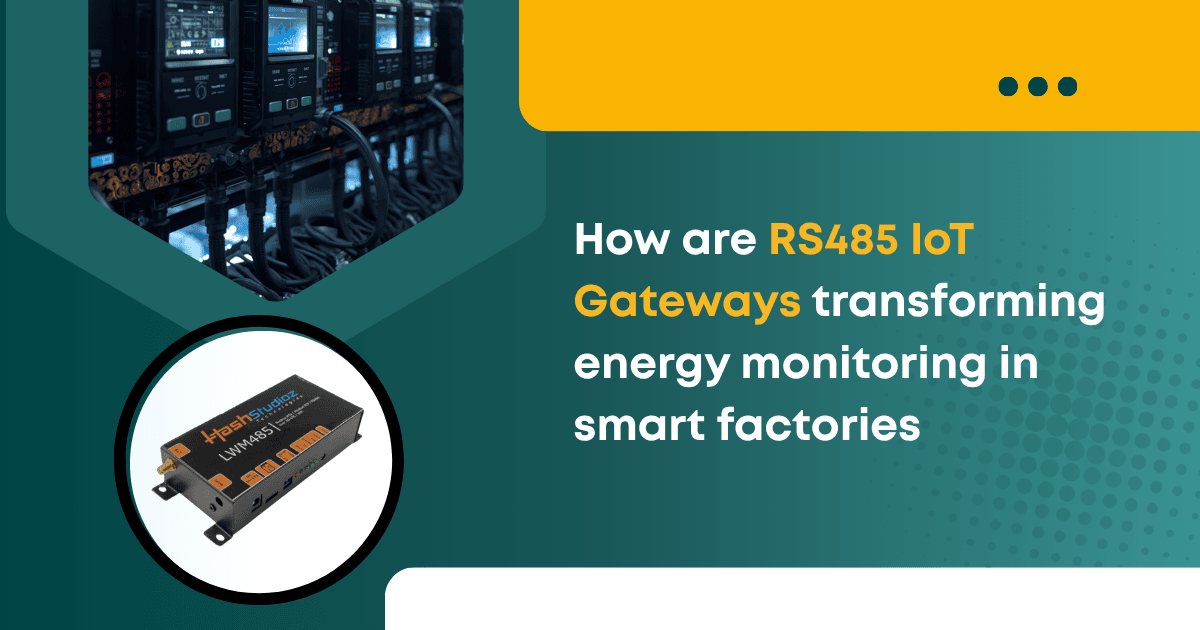
How are RS485 IoT Gateways transforming energy monitoring in smart factories
Energy costs represent a major burden for modern manufacturing. In 2026, energy accounts for 20% to 40% of total plant operating costs. Many facilities still operate 25% to 40% below their peak efficiency potential. This waste stems from a lack of granular visibility. Factory managers often track energy at the building level rather than the machine level. This "blind spot" hides significant inefficiency.
The smart factory movement seeks to solve this. It relies on the flow of data from the factory floor to the cloud. The RS485 IoT Gateway serves as the critical bridge in this architecture. It connects legacy power meters to modern digital systems. This connection allows factories to visualize, analyze, and reduce energy consumption.
Understanding the Energy Challenge
Most factories contain a mix of new and old equipment. The older machines often use legacy serial communication protocols. These machines consume power, but they do not report usage data to modern dashboards. Without this data, maintenance teams remain reactive. They only notice a problem when a machine fails or a utility bill arrives with a high total.
Effective energy management requires real-time data. It requires the ability to see how individual motors, pumps, and HVAC units use electricity. When managers see real-time energy signatures, they can spot anomalies. They can identify machines that run while idle. They can detect failing bearings that cause motors to work harder. These insights directly lower utility bills.
The Role of the RS485 IoT Gateway
An RS485 IoT Gateway is a hardware device. It acts as a protocol converter. It sits between the physical world of power meters and the digital world of the internet.
Why RS485 Remains Vital
The RS485 standard remains a workhorse in industrial environments. It offers several key advantages for factory operators:
Distance: RS485 supports cable runs up to 1,200 meters.
Noise Immunity: The differential signaling design rejects electrical noise. This makes it ideal for noisy factory floors.
Multi-Drop Capability: A single RS485 bus supports up to 32 devices.
Cost: Implementation costs remain significantly lower than modern Ethernet-to-the-sensor setups.
Because of these benefits, millions of power meters, flow meters, and variable frequency drives use RS485. Manufacturers cannot simply replace these devices. The cost would be prohibitive. Instead, the IoT Gateway provides a way to upgrade existing infrastructure without a total system replacement.
How the Gateway Bridges the Gap
The gateway performs a complex task in a simple manner. It executes three main functions:
1. Data Polling
The gateway acts as an RS485 master. It sends requests to individual power meters on the bus. It uses the Modbus RTU protocol for this communication. It asks each meter for its current voltage, current, power factor, and total energy consumed.
2. Protocol Translation
Most cloud platforms and modern software systems speak IP protocols like Modbus TCP, MQTT, or HTTP. The RS485 IoT Gateway receives the serial Modbus RTU data. It then encapsulates this data into a packet suitable for network transmission. It translates the raw serial data into a format that databases and analytics software understand.
3. Data Transmission
Once the gateway translates the data, it transmits it. It uses standard network interfaces like Ethernet, Wi-Fi, or cellular. This creates a path from the meter to a centralized dashboard or cloud analytics engine.
Key Benefits for Energy Management
Integrating an IoT Gateway into the power monitoring strategy offers immediate operational benefits.
1. Real-Time Visibility
Data flows from the machine to the dashboard in seconds. Managers no longer wait for monthly bills. They see spikes in energy usage as they happen. If a motor starts drawing 20% more power than its baseline, the system sends an alert.
2. Predictive Maintenance
High energy usage often precedes failure. A failing pump motor generates more friction. That friction requires more electricity to maintain the same output. By monitoring the power draw via the gateway, the system predicts bearing failure before it occurs. This prevents costly downtime.
3. Automated Reporting
Manual data logging causes errors. It also consumes labor hours. The gateway automates the entire process. It collects, timestamps, and stores data. Software generates compliance and efficiency reports automatically.
4. Baselining and Benchmarking
Managers can compare energy usage across different shifts or product lines. They can create a baseline for a perfect production run. If a shift fails to match that baseline, the system flags the inefficiency.
Technical Architecture
A robust setup requires attention to the physical and software layers.
1. The Physical Layer
The gateway must sit in a secure, industrial-rated enclosure. Technicians daisy-chain the RS485 devices together. They connect the A and B wires from the meters to the gateway's terminal blocks. Proper termination resistors at the end of the line prevent signal reflection.
2. The Data Layer
The gateway often runs an embedded Linux operating system. It includes drivers for various serial protocols. The configuration interface allows users to define the Modbus registers. Users map specific registers to data points like current or kilowatt hours.
3. The Network Layer
The gateway must handle intermittent network connections. If the factory Wi-Fi drops, the gateway should store the data locally. It should sync the data once the connection resumes. This ensures no gaps exist in the energy records.
Security Considerations
Connecting industrial equipment to the network introduces risk. A gateway acts as an entry point. Therefore, it must prioritize security.
Encrypted Communication: The gateway should support TLS/SSL encryption for all data transmissions to the cloud.
Firmware Updates: The device must allow for remote, secure firmware updates to patch vulnerabilities.
Access Control: Only authorized users should access the gateway configuration. Use strong passwords and disable unused ports.
Data Isolation: Best practice suggests placing the gateway on a segmented network. Keep it separate from the main corporate IT network.
Real-World Impact and Statistics
The impact of these systems is measurable. In 2026, research indicates that manufacturers can achieve a 40% cost reduction in energy through systematic optimization. Up to 70% of those savings come from maintenance-driven strategies.
1. Example Case Study
A medium-sized manufacturing plant monitored their main meter. They did not monitor individual machines. They suspected high energy waste.
They installed several RS485 IoT Gateway units across the plant. They connected 50 existing power meters to the gateway. Within one week, the data revealed a problem. Two large chillers ran 24/7, even when the production line remained idle on weekends.
The maintenance team configured the gateway to trigger an automated shutdown for these chillers during non-production hours. This simple change reduced the plant's total energy bill by 12% in the first month.
2. Efficiency Trends
Manufacturers are increasingly using these gateways to monitor specific systems.
Electric Motors: These consume 60-70% of plant electricity. Monitoring them via RS485 allows for precision load management.
Compressed Air: This accounts for 20-30% of industrial electricity. The gateway detects leaks by identifying air compressors that run at night.
Lighting: Retrofitting to LED and using gateways for control can save 50-75% on lighting costs.
Selecting the Right Gateway
Not all gateways are equal. When selecting an IoT Gateway for energy monitoring, consider these technical requirements:
Protocol Support: Does it support Modbus RTU, Modbus TCP, and MQTT?
Interface Density: How many RS485 ports does it have? A single port might limit the number of meters.
Ruggedness: Does it withstand extreme temperatures, vibrations, and electromagnetic interference?
Edge Computing: Can the gateway perform local processing? It should filter noise and summarize data before sending it to the cloud. This reduces bandwidth usage.
Cloud Compatibility: Does it integrate with your specific analytics platform?
Future Trends in Smart Energy Monitoring
The role of the gateway continues to evolve. Future devices will include more intelligence at the edge.
1. Autonomous Facilities
We will move toward autonomous energy management. The gateway will not just send data. It will act on it. If it detects a specific energy signature, it will automatically adjust the settings of the connected machine. It will optimize power usage without human intervention.
2. Integration with AI
Artificial intelligence algorithms will run on the gateway. These algorithms will identify energy patterns that humans miss. They will detect subtle deviations in power quality. They will warn operators of potential voltage issues before they damage equipment.
3. The Growth of IIoT
The Industrial IoT market is expanding rapidly. Market reports suggest a compound annual growth rate of 20% to 24% through 2031. As this growth continues, the cost of connectivity will drop. More sensors will appear on the factory floor. The gateway will become the primary traffic controller for this growing volume of data.
Conclusion
The RS485 IoT Gateway is more than just a converter. It is the foundation of energy transparency in the smart factory. It allows operators to use existing, reliable hardware while adopting the benefits of digital connectivity.
By using these devices, factories turn hidden waste into actionable data. They reduce operational costs. They extend the life of their equipment. They improve their overall sustainability.
The path to efficiency does not require replacing everything. It requires connecting what you already have. Start by auditing your existing RS485 power meters. Choose a robust gateway. Begin collecting the data. The results will justify the investment quickly.
Appreciate the creator