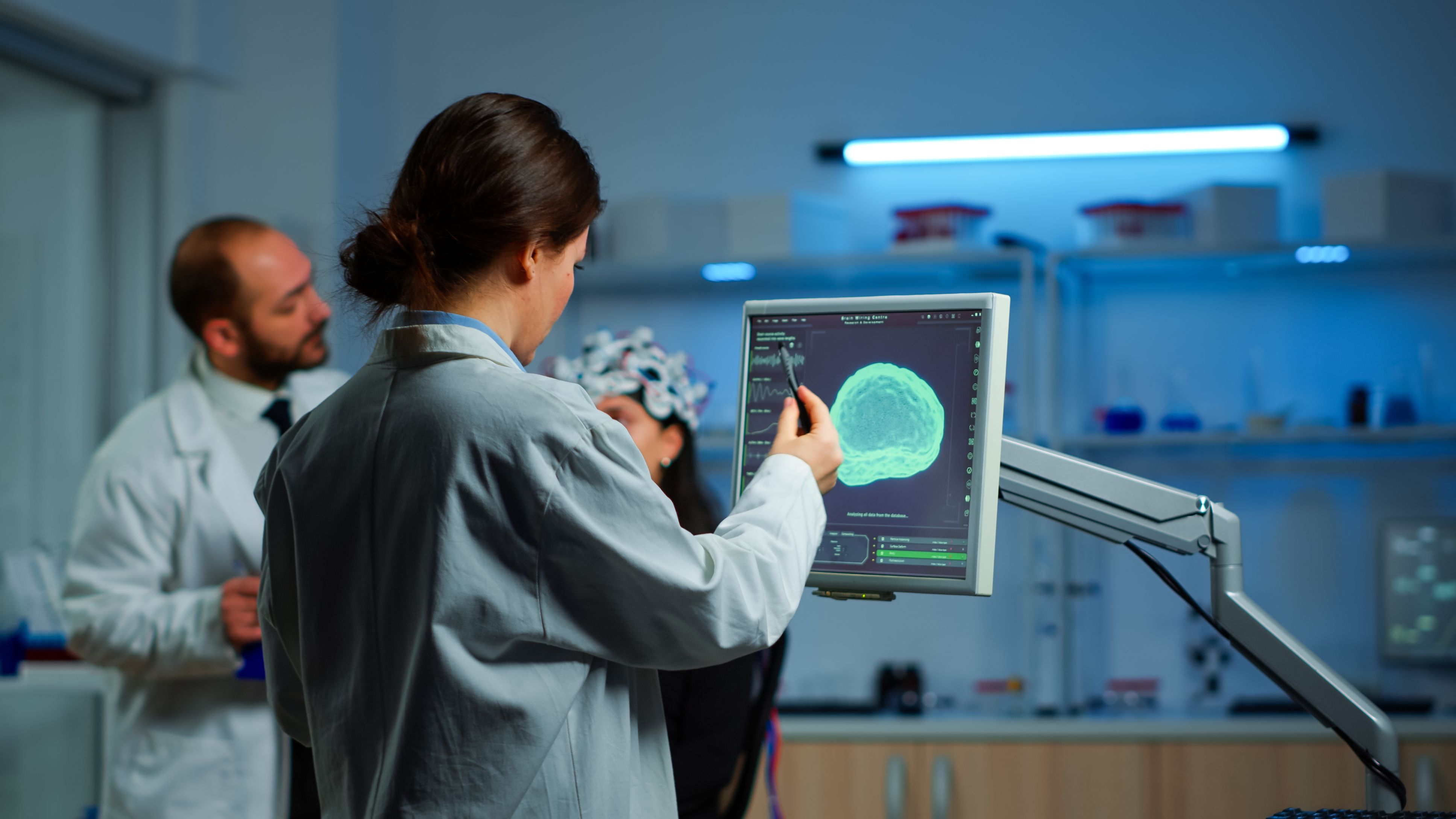
How AI in Early Cancer Detection Is Transforming Diagnosis and Patient Outcomes
Introduction
If cancer is detected at an early stage, there are more treatment options available, which are less invasive and much more effective. For instance, if breast cancer is detected at an early stage, the five-year survival rate is over 90%, but if it is detected at a late stage, the survival rate can be less than 30%. There is a similar difference in survival rates for lung, colon, pancreatic, and ovarian cancers.
The conventional methods of cancer detection have always had some limitations. The interpretation of images by humans is a time-consuming process and is also prone to inconsistencies. The early signs of cancer are often overlooked, especially when a large number of patients are being screened.
Artificial intelligence (AI) is a new technology that is being used to overcome the limitations of conventional cancer detection methods. AI can process a large amount of data very quickly, and this technology is being used to improve early cancer detection.
Key AI Technologies Used in Cancer Detection
AI assists doctors in detecting cancer at an earlier and more precise stage by identifying patterns in medical data that are hard to spot for humans. These tools combine to analyze images, patient data, and medical information, which helps make better and faster decisions and further enhances the application of AI in Early Cancer Detection.
Deep Learning and Convolutional Neural Networks (CNNs)
CNNs are primarily employed to analyze medical images. They learn patterns of cancer by examining thousands of medical scans and images. This enables the detection of even the smallest or earliest symptoms of cancer in X-rays, CT scans, MRI scans, and biopsy images.
Machine Learning for Risk Prediction
Machine learning algorithms are primarily engaged in predicting the likelihood of developing cancer. They examine age, genetic factors, lifestyle, and medical history to make predictions. This enables doctors to devise customized screening and early prevention programs for patients.
Natural Language Processing (NLP)
NLP enables AI to interpret written medical data. It reads medical notes, pathology reports, and patient records to look for key indicators. This ensures that early symptoms are not overlooked in patient records spanning several years.
Computer Vision in Pathology
Computer vision is a technology that uses computer algorithms to interpret digital images of tissue samples. It can be used to identify abnormal cells, determine the size of tumors, and identify cancer types. This technology is beneficial to pathologists as it increases accuracy and efficiency.
Radiomics and Quantitative Imaging
Radiomics is a technology that uses images to create data that can be analyzed. It analyzes the shape, texture, and characteristics of tumors to determine how aggressive a tumor may be. This technology is used to differentiate between benign and malignant tumors.
Hybrid and Ensemble Methods
This technology involves the use of several AI models in one decision-making process. The use of images, medical records, and genetic data is combined to provide more accurate results for patients, reinforcing the power of AI in Early Cancer Detection.
Implementing hybrid and ensemble AI systems requires expertise in combining multiple models, managing medical data pipelines, and ensuring clinical reliability. For this reason, healthcare organizations often hire AI engineers who can design, train, and deploy these advanced systems effectively.
How AI in Early Cancer Detection Works: With Comprehensive Examples
AI is an important component of early cancer diagnosis, as it uses medical images, patient data, and history with high accuracy. It points out minute details that are often overlooked in the initial screening process. By providing early warnings and risk analysis to doctors, AI in Early Cancer Detection can help enhance cancer outcomes and survival rates. Other applications of AI in healthcare innovation include AI in Vaccine Development, where data analysis and pattern recognition are again essential.
Breast Cancer
AI examines mammograms to detect early symptoms like microcalcifications, small lumps, and unusual tissue patterns. It also analyzes breast density, which can mask tumors and lead to cancer.
Example: A woman with dense breasts gets a negative screening result. AI picks up faint microcalcification patterns obscured by dense breast tissue and alerts the doctor. A subsequent biopsy test confirms early-stage breast cancer, and treatment can be initiated on time.
Lung Cancer
AI analyzes low-dose CT scans to detect small lung nodules and determine their shape, boundaries, and characteristics inside. It observes changes in the nodules over time, rather than focusing solely on their size. This enables the differentiation of benign nodules from cancer in its early stages.
Example: AI observes a small lung nodule in yearly scans and detects unusual patterns of growth. Early action by doctors leads to the diagnosis of stage I lung cancer, which is successfully treated with surgery.
Colorectal Cancer
AI helps colonoscopy procedures by locating polyps in real-time and assessing their cancer risk. It is most useful in finding flat or hidden polyps. Early detection allows for immediate removal and cancer prevention.
Example: During a normal colonoscopy, AI points to a flat polyp that is difficult to distinguish from the colon wall. The polyp is removed and later found to be pre-cancerous.
Pathology and Prostate Cancer Grading
AI examines digital biopsy images to assess tissue and cell patterns. It helps in standardizing Gleason grading and minimizing differences among pathologists. This improves risk stratification and treatment decisions.
Example: Two different pathologists assign different grades to a prostate biopsy. AI analyzes the biopsy image and detects aggressive glandular patterns, supporting a higher grade and appropriate treatment.
Skin Cancer
AI analyzes images of skin lesions based on characteristics like asymmetry, color distribution, border, and size. It facilitates early screening and enhances awareness, particularly in regions with less access to dermatologists. This assists in prioritizing critical cases.
Example: A patient uploads an image of a progressing mole through an AI-powered application. The AI indicates high melanoma risk and advises an immediate visit to a specialist. Early-stage melanoma is diagnosed.
Ovarian Cancer
AI examines transvaginal ultrasound images in conjunction with medical indicators and patient information. It identifies minute structural irregularities that are frequently overlooked during early diagnosis. This enhances early detection of a cancer that is frequently diagnosed in its late stages.
Example: An ultrasound report indicates a benign ovarian cyst. AI detects unusual internal patterns and irregular blood flow, prompting further analysis that confirms early ovarian cancer.
Pancreatic Cancer
AI analyzes CT and MRI images to identify minute changes in the structure and texture of the pancreas. It correlates imaging results with symptoms, lab work, and patient history. This enables earlier cancer detection than current practices.
Example: Patient presents with inexplicable weight loss and abdominal pain. AI points out minute changes in the pancreatic ducts. Further testing confirms early-stage pancreatic cancer.
Prostate Cancer with Multi-Parametric MRI
AI analyzes multiple MRI images simultaneously to identify potential prostate lesions. It enhances lesion localization and distinguishes aggressive from indolent cancers. This minimizes unnecessary biopsies and improves diagnostic accuracy.
Example: Routine MRI scan is inconclusive. AI combines diffusion and contrast images to highlight an occult lesion, prompting a targeted biopsy that confirms significant cancer.
Lymphoma and Hematologic Cancers
AI analyzes blood smears and bone marrow samples to identify abnormal cell populations. It identifies minute differences in cell size, shape, and distribution. This enables faster diagnosis and correct cancer typing.
Example: Routine blood tests are almost normal. AI identifies abnormal lymphocyte morphology, prompting further testing that confirms a diagnosis of early-stage lymphoma.
Multi-Modal Integration and Longitudinal Analysis
AI integrates imaging, pathology, lab results, and past medical records for a comprehensive analysis. It performs longitudinal analysis, meaning it analyzes changes over time rather than focusing on isolated tests. This enables the detection of cancer development before symptoms occur, making AI more effective in Early Cancer Detection methods.
Similar long-term data modeling approaches are also used in AI in vaccine development, where historical data and biological signals are analyzed over time to improve vaccine research and preventive healthcare outcomes.
Example: AI analyzes past scans and lab results over a period of years and detects gradual abnormalities. Early action is taken by doctors to prevent the progression of the disease.
Benefits of AI in Early Cancer Detection
AI is revolutionizing early cancer detection by enhancing accuracy, speed, and reproducibility in all diagnostic processes. With the help of AI, which assists doctors in advanced data analysis, early diagnosis, effective treatment planning, and universal access to quality care is achieved, particularly in high-volume and resource-constrained healthcare environments.
Enhanced detection accuracy: AI detects minute irregularities in medical images and patient data that are not easily detected by human analysis. This enhances the sensitivity of screening programs and increases the detection of early-stage cancers.
Early diagnosis and improved outcomes: Early detection of cancer at Stage I or Stage II enables less aggressive treatments and substantially improves survival rates. AI eliminates diagnostic delays by alerting doctors to high-risk patients earlier.
Rapid image analysis and reporting: AI hastens the analysis of images and pathology slides, shortening turnaround times. Prioritization of tasks enables doctors to concentrate on difficult cases.
Decreased clinician workload and fatigue: AI reduces the shortage of radiologists and pathologists by automating repetitive screening work. This enables specialists to dedicate more time to difficult diagnoses and patient care.
Personalized and risk-based screening: AI analyzes personal risk factors like genetics, age, and medical history. This allows for personalized screening approaches and prevents over-screening.
Improved patient experience: Rapid and accurate results eliminate uncertainty and anxiety. Shortened diagnostic paths result in swift treatment decisions.
Increased access to diagnostic expertise: AI provides access to expert-level diagnostic capabilities in underserved areas, thus helping to fill the gap in cancer care.
Challenges and Limitations of AI in Cancer Detection
Although AI has great promise, there are several challenges and limitations that need to be addressed for its successful implementation in cancer detection.
Lack of transparency: Most AI models lack transparency in decision-making, which can be a barrier to adoption by clinicians.
Bias and fairness: There is a potential risk of bias and fairness in AI models trained on non-diverse datasets, which can lead to inconsistent performance across different populations and exacerbate health disparities.
Regulatory and compliance requirements: There are stringent validation and approval requirements for AI models in the healthcare sector. This can be a challenge in navigating the rapidly changing regulatory landscape.
Privacy and security risks: AI models handle sensitive patient information, which can be vulnerable to breaches and misuse.
Workflow and integration issues: The integration of AI models into clinical workflows can be challenging and requires appropriate training and management.
Performance drift: There is a potential risk of performance drift in AI models over time due to changes in imaging equipment, protocols, and patient populations.
Limited data for rare cancers: There is a lack of data for rare cancers, which can limit the performance of AI models in these cases.
Conclusion: Toward a Human - AI Partnership in Cancer Detection
AI has the potential to significantly reshape early cancer detection by improving accuracy, efficiency, and access to care. From breast and lung cancer screening to pathology and multi modal risk assessment, AI systems are already delivering measurable clinical value when developed responsibly by an experienced AI development company working closely with healthcare professionals.
AI is not meant to replace clinicians. Its real strength lies in supporting medical expertise, reducing diagnostic burden, and enabling earlier and more confident decisions.
With collaboration among clinicians, researchers, technologists, regulators, and policymakers, AI can become a trusted partner in cancer care. The impact is meaningful. Earlier diagnoses, better outcomes, and improved quality of life make AI in cancer detection a step toward more proactive and humane healthcare.
Appreciate the creator