How a Multidisciplinary Cancer Team Supports Patients Receiving Chemotherapy
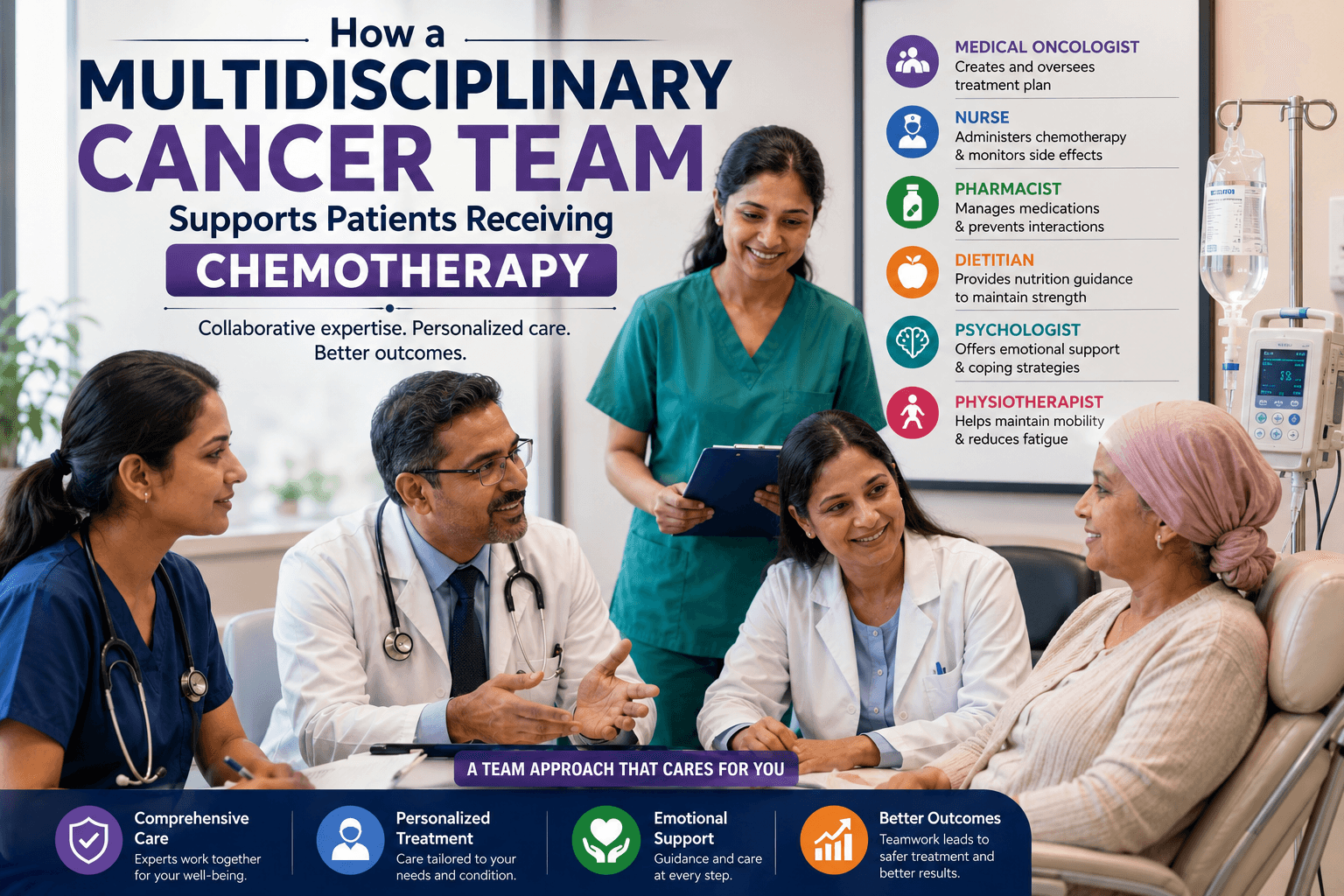
Starting chemotherapy brings up a lot of questions, and most patients don't just need a prescription — they need a team around them. Oncology today rarely works as one doctor managing everything alone. It usually takes an oncologist, a nurse, a nutritionist, a pharmacist, and several other specialists working together to get a patient through treatment safely.
This article explains how that team-based approach works, why it matters for chemotherapy outcomes, and what patients can expect from coordinated cancer care. At Mayom Hospital, this teamwork is treated as a core part of delivering the best chemotherapy in Gurgaon (https://mayomhospital.com/chemotherapy), not an added extra.
What a Multidisciplinary Cancer Team Actually Means
A multidisciplinary team brings together specialists from different fields who all focus on one patient's care plan. Instead of a patient bouncing between separate appointments with little communication, the team meets, reviews the case together, and agrees on a coordinated plan.
For chemotherapy specifically, this usually includes:
A medical oncologist who prescribes and manages the chemotherapy regimen
An oncology nurse who administers treatment and monitors side effects
A pharmacist who checks dosing, drug interactions, and safety
A dietitian who supports nutrition through treatment
A social worker or counselor who helps with emotional and practical support
A radiologist or pathologist who tracks how the cancer responds over time
Why Chemotherapy Needs This Kind of Coordination
Chemotherapy affects the whole body, not just the cancer cells. It can impact appetite, blood counts, energy, and emotional wellbeing all at once. A single doctor managing every area alone often means slower responses when problems come up.
With a coordinated team, issues get caught earlier. For example, if a patient's blood counts drop during treatment, the oncology nurse notices it during a routine check, flags it to the oncologist, and the pharmacist reviews whether a dose adjustment is needed — often within the same visit.
How Each Team Member Supports the Patient
Team Member
Role in Chemotherapy Care
Medical oncologist
Designs and adjusts the treatment plan
Oncology nurse
Administers chemotherapy, monitors reactions
Pharmacist
Reviews dosing and drug safety
Dietitian
Manages nutrition and appetite changes
Counselor or social worker
Supports mental health and family coordination
Pathologist
Tracks tumor response through lab results
This division of responsibility means no single person is trying to catch everything alone, which reduces the chance of something being missed.
Benefits of a Team-Based Approach
Patients who receive coordinated, multidisciplinary care often experience:
Fewer delays between diagnosis and starting treatment
Faster management of side effects like nausea or fatigue
Better nutrition support throughout the treatment cycle
Clearer communication, since one team reviews the full picture together
One example: a patient struggling with appetite loss during early chemotherapy cycles worked with a dietitian to adjust meal timing and texture, which helped maintain strength through later cycles rather than losing weight steadily.
Managing Side Effects as a Team
Chemotherapy side effects vary widely from patient to patient, and managing them well often needs more than one specialist.
Common side effects and how the team responds:
Nausea and vomiting — managed with anti-nausea medication adjusted by the oncologist and pharmacist
Low blood counts — monitored through regular bloodwork, with dose timing adjusted as needed
Appetite loss — addressed with dietitian-guided meal planning
Fatigue — tracked across visits, with rest and activity guidance from the care team
Emotional strain — supported through counseling and caregiver guidance
Patients searching for the best chemotherapy hospital in Gurgaon often find that side-effect management, not just the medication itself, makes the biggest difference in how treatment feels day to day.
What to Expect During Treatment
A typical chemotherapy journey with a coordinated team includes:
Initial consultation and diagnostic review with the oncologist
Treatment planning session involving the wider care team
Baseline tests before the first chemotherapy session
Regular monitoring visits during each treatment cycle
Ongoing side-effect management and nutrition support
Follow-up scans and bloodwork to track response
This structure helps patients know what's coming next instead of facing each step without context, which itself reduces a lot of treatment-related anxiety.
Questions to Ask When Choosing a Cancer Care Team
Not all cancer centers offer the same level of coordination. When looking for the best chemotherapy treatment in Gurgaon, it helps to ask:
Does the center have a dedicated oncology nursing team?
Is there a pharmacist involved in reviewing chemotherapy dosing?
Does the team include nutrition and counseling support?
Is there a clear point of contact for questions between visits?
These questions reveal whether care is genuinely coordinated or split across separate departments with little communication.
When to Reach Out to Your Care Team
Patients should contact their care team promptly if they notice fever, unusual bleeding or bruising, persistent vomiting, severe fatigue that limits daily activity, or signs of infection at an IV site. Catching these early, rather than waiting for the next scheduled visit, often prevents complications from becoming serious.
Summary
Chemotherapy works best when it isn't managed by one doctor in isolation. A coordinated team covering medical, nutritional, and emotional care catches problems earlier, manages side effects more effectively, and gives patients a clearer, steadier path through treatment.
Frequently Asked Questions
What does a multidisciplinary cancer team actually do differently?
Instead of a patient seeing separate specialists with little communication between them, a multidisciplinary team reviews each case together and agrees on a coordinated plan. Side effects, nutrition needs, and treatment adjustments get addressed faster, since the whole team works from the same information.
Does having a larger care team make chemotherapy more expensive?
Not necessarily. Coordinated care often reduces costs over time by catching complications early, before they require emergency visits or hospital admission. Many patients find that better side-effect management actually reduces unplanned treatment interruptions and additional costs down the line.
How do I know if a hospital offers true multidisciplinary cancer care?
Ask whether the center has dedicated oncology nurses, a pharmacist involved in dosing review, and nutrition or counseling support built into the plan. True multidisciplinary care means these specialists actively communicate about your case, not just work in separate departments.
Can a dietitian really help during chemotherapy?
Yes. Chemotherapy often affects appetite and taste, making it harder to maintain proper nutrition. A dietitian adjusts meal plans to manage these changes, helping patients maintain strength and tolerate treatment better through each cycle.
What should I do if I notice side effects between scheduled visits?
Contact your care team right away rather than waiting for your next appointment. Symptoms like fever, unusual bleeding, or severe fatigue need prompt attention, since catching issues early often prevents them from becoming more serious complications.
Conclusion
Getting through chemotherapy is rarely just about the medication itself. It's about having the right people paying attention at the right moments — catching side effects early, supporting nutrition, and helping patients feel less alone through a difficult process.
If you're exploring chemotherapy options, the oncology team at Mayom Hospital in Gurugram works as a coordinated unit across medical, nursing, nutrition, and counseling support, aiming to make treatment as manageable as possible from start to finish.
Appreciate the creator