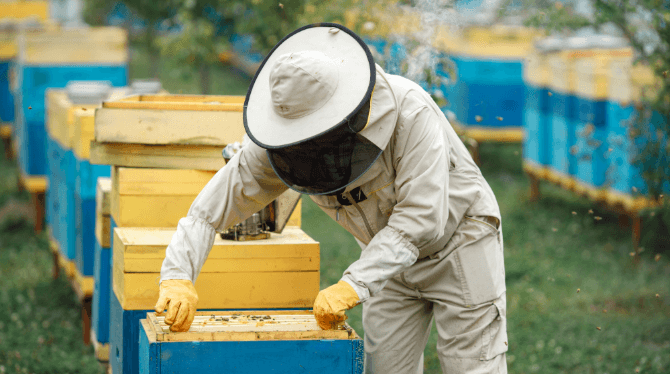
How a Beekeeping Suit Protects Against Stings and What Determines Its Effectiveness
Working with honeybees requires both skill and proper protective equipment. While experienced beekeepers develop techniques to handle hives calmly, protection from stings remains essential. A beekeeping suit is designed to reduce the risk of stings, allowing beekeepers to work safely and confidently. However, not all suits offer the same level of protection.
Understanding how a beekeeping suit works and what determines its effectiveness helps beekeepers make better decisions when selecting protective gear. Factors such as material, layering, fit, and design all contribute to how well a suit performs in real beekeeping conditions.
How a Beekeeping Suit Prevents Bee Stings
The main purpose of a beekeeping suit is to create a protective barrier between the beekeeper and the bees. Honeybees sting as a defensive response, particularly when they feel their hive is threatened. A well-designed suit prevents direct contact between the bee’s stinger and the skin.
Instead of relying on a single layer, modern suits are engineered to combine multiple protective features. A beekeeping protective suit works by:
blocking the stinger with strong materials
creating space between fabric and skin
sealing entry points to prevent bees from getting inside
This combination reduces the chances of stings significantly during hive inspections and handling.
Material Quality and Its Impact on Protection
The type of material used in a beekeeper suit plays a major role in its effectiveness. Traditional suits often use thick cotton, which provides basic protection. However, modern designs, especially mesh-based suits, have improved protection without adding excessive weight.
A mesh beekeeping suit uses layered fabric to create distance between the outer layer and the body. This spacing is critical because a bee’s stinger has limited reach. If the stinger cannot bridge the gap, it cannot reach the skin.
High-quality materials, such as those used by BeBees, are designed to maintain this protective distance while ensuring durability and flexibility.
Layering: The Key to Sting Resistance
Layering is one of the most important factors in determining how effective a beekeeping suit is. A full beekeeping suit with multiple layers provides better protection than a single-layer design.
In a ventilated beekeeping suit, layers are separated by mesh spacing, which offers two advantages:
increased airflow for comfort
reduced chance of stinger penetration
This design makes ventilated suits highly effective in both protection and usability, especially during extended hive work.
Fit and Structure: Why Space Matters
The effectiveness of a beekeeping suit is not only about the material but also about how it fits. A suit that is too tight can press fabric directly against the skin, increasing the likelihood of a sting reaching the body.
A properly fitted beekeeper suit should:
maintain space between the fabric and the skin
allow free movement without stretching tightly
stay structured during bending and lifting
This spacing is especially important in areas like the arms, back, and legs, where movement is frequent.
Sealing the Suit to Prevent Bee Entry
Even the best material cannot protect if bees are able to enter the suit. This is why sealing features are critical in a beekeeping protective suit. Small gaps can allow bees to crawl inside, leading to stings from within.
Effective sealing includes:
elastic cuffs at wrists and ankles
strong, covered zippers
tight neck closures
These features ensure that the beekeeping suit remains fully enclosed during all types of hive work.
The Role of the Veil in Overall Protection
The head and face are highly sensitive areas, making the veil an essential component of a beekeeping suit with veil. The veil protects against direct stings while allowing clear visibility.
A good veil should:
keep the mesh away from the face
provide wide and unobstructed vision
attach securely to the suit
Since bees often target the head area when agitated, proper veil design is a key factor in overall protection.
Ventilation and Its Effect on Performance
While protection is the main goal, comfort also affects how effective a beekeeping suit is in real use. A suit that causes overheating may reduce focus and lead to rushed movements, increasing the risk of provoking bees.
A beekeeping ventilated suit improves performance by:
allowing airflow through mesh layers
reducing heat buildup
keeping the beekeeper comfortable for longer periods
This is particularly important in warm regions of the USA, where high temperatures can make traditional suits uncomfortable.
Understanding the Limits of Sting Protection
It is important to understand that no beekeeping suit is completely sting-proof. Instead, these suits are designed to be highly sting-resistant. The level of protection depends on multiple factors:
the quality of the suit
proper fit and usage
bee behavior and aggression
pressure applied to the fabric
For example, if a bee is pressed firmly against the suit, there is a higher chance of a sting penetrating through. This is why careful handling and calm movements are still necessary.
Choosing the Right Suit for Effective Protection
When considering a beekeeping suit for sale in USA, it is important to focus on practical performance rather than appearance. The right suit should match the beekeeper’s environment and working style.
Key considerations include:
climate conditions
frequency of use
level of experience
need for ventilation and flexibility
A well-designed suit from BeBees combines these factors to provide reliable protection while maintaining comfort during extended use.
Why Modern Designs Offer Better Protection
Beekeeping suits have evolved over time to improve both safety and usability. Modern designs focus on combining multiple protective elements rather than relying on a single feature.
A professional beekeeper suit today includes:
layered construction for spacing
breathable materials for comfort
secure closures for full coverage
flexible design for ease of movement
These improvements make modern suits more effective in real working conditions compared to older, heavier designs.
Conclusion
A beekeeping suit is an essential tool for safe hive management, providing protection against stings while allowing beekeepers to work with confidence. Its effectiveness depends on several factors, including material quality, layering, fit, sealing, and ventilation.
A well-designed beekeeping protective suit does more than block stings—it supports comfort, mobility, and long-term usability. By understanding how these elements work together, beekeepers can choose the right suit for their needs.
With modern materials and thoughtful design, BeBees focuses on delivering suits that balance protection and performance, helping beekeepers stay safe and efficient in every hive interaction.
Appreciate the creator