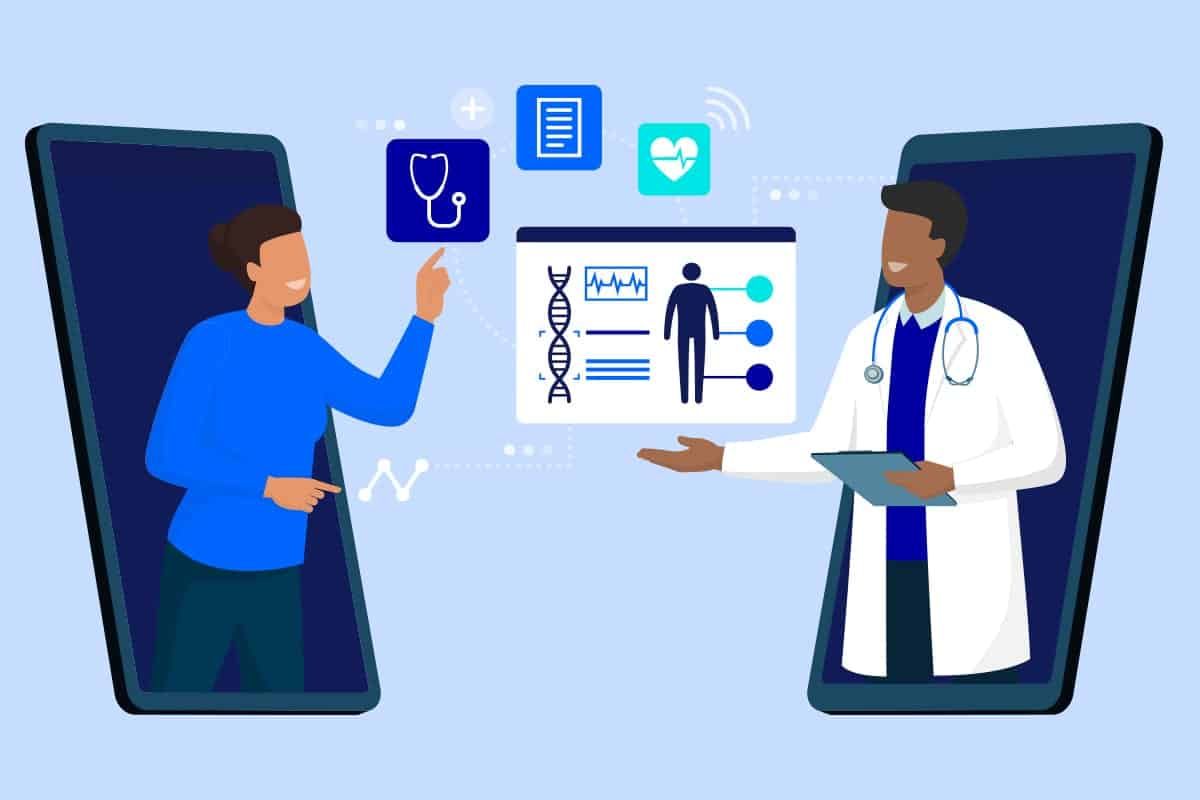
Health-Effective and Accessible Use of Technology
Introduction:
In the rapidly evolving landscape of healthcare, technology has emerged as a powerful force for change. From wearable fitness trackers to telemedicine platforms and electronic health records, technology is reshaping how we access and receive healthcare services. However, the challenge lies not only in harnessing the potential of technology but also in ensuring that it is health-effective and accessible to all.
Technology:
A Catalyst for Health Transformation: Technology has the potential to revolutionize healthcare in numerous ways. It enables healthcare providers to offer more personalized care, monitor patients remotely, and streamline administrative tasks, thus improving overall efficiency. Patients, on the other hand, can take more control of their health through mobile apps, wearable devices, and telehealth consultations. Moreover, medical research and data analysis benefit from technology, leading to groundbreaking discoveries and more effective treatments.
Accessibility:
Bridging the Gap: One of the most significant challenges in healthcare technology is ensuring accessibility for all. Disparities in access to healthcare services have been amplified by the digital divide, where some individuals lack the necessary devices or internet connectivity. To make healthcare technology truly effective, we must bridge this gap.
Ways to Enhance Accessibility:
Affordable Devices: Encourage the development and distribution of affordable devices such as smartphones and tablets to underserved populations.
Digital Literacy Programs: Implement digital literacy programs to educate individuals on how to use technology for healthcare purposes.
Telehealth Initiatives: Expand telehealth services and promote policies that ensure reimbursement for remote consultations, making healthcare more accessible, especially in rural areas.
Language and Cultural Considerations: Provide healthcare information and technology interfaces in multiple languages to accommodate diverse populations.
User-Friendly Interfaces: Design user interfaces that are intuitive and easy to navigate, accommodating users of all ages and backgrounds.
Ensuring Health-Effectiveness:
Healthcare technology must not only be accessible but also genuinely health-effective. This means that it should improve health outcomes, enhance patient experiences, and reduce healthcare costs. Here's how we can achieve health-effectiveness:
Data Privacy and Security: Implement stringent data protection measures to ensure the security and privacy of patients' health information. Compliance with regulations such as HIPAA is crucial.
Interoperability: Foster interoperability among different healthcare systems and devices to enable seamless data exchange, reducing redundancy and improving patient care coordination.
Evidence-Based Design: Develop and deploy technology based on evidence-backed practices and clinical guidelines to ensure that it contributes positively to healthcare outcomes.
User-Centered Design: Involve healthcare providers and patients in the design process to create technology solutions that meet their specific needs and preferences.
Conclusion:
The integration of technology into healthcare holds immense promise for improving health outcomes and making healthcare more accessible. However, to realize this potential fully, we must address issues of accessibility and health-effectiveness. By ensuring that healthcare technology is accessible to all and designed with a focus on improving health outcomes, we can truly bridge the gap in healthcare and create a healthier, more equitable future for all.
Appreciate the creator