Hastelloy C276 Fasteners: Superior Corrosion Resistance for Extreme Industrial Environments
Hastelloy C276 Fasteners: Superior Corrosion Resistance for Extreme Industrial Environments
In highly aggressive chemical and high-temperature environments, standard stainless steel fasteners often fail due to corrosion, stress cracking, or material degradation. Hastelloy C-276 fasteners are specifically engineered to perform in such demanding conditions. Known for their exceptional resistance to corrosion and mechanical stability, they are widely used in critical industrial applications where reliability is non-negotiable.
What Is Hastelloy C276?
Hastelloy C-276 is a wrought nickel–chromium–molybdenum alloy with the addition of tungsten. It is designated under UNS N10276 and is covered by standards such as ASTM B574 (for rods and bars used in fasteners).
Typical Chemical Composition
Nickel (Ni): Balance
Chromium (Cr): ~14.5–16.5%
Molybdenum (Mo): ~15–17%
Tungsten (W): ~3–4.5%
Iron (Fe): ~4–7%
Carbon (C): ≤ 0.01%
The high molybdenum and chromium content provides excellent resistance to both oxidizing and reducing environments, while the low carbon content minimizes carbide precipitation during welding.
Key Properties of Hastelloy C276 Fasteners
1. Exceptional Corrosion Resistance
Hastelloy C276 is widely recognized for its resistance to:
Pitting and crevice corrosion
Stress corrosion cracking
Chloride-induced corrosion
Wet chlorine gas, hypochlorite, and chlorine dioxide
Sulfuric, hydrochloric, and phosphoric acids (under many conditions)
This makes it suitable for some of the most corrosive chemical processing environments.
2. High Strength and Mechanical Reliability
Typical mechanical properties at room temperature include:
Tensile Strength: Approx. 690 MPa (minimum)
Yield Strength: Approx. 283 MPa (minimum)
Good ductility and toughness
These properties ensure that fasteners maintain structural integrity even under mechanical stress and thermal cycling.
3. Excellent High-Temperature Performance
Hastelloy C276 maintains strong oxidation resistance and mechanical stability at elevated temperatures, making it suitable for heat exchangers, reactors, and high-temperature processing equipment.
4. Good Fabricability and Weldability
Despite being a high-alloy material, Hastelloy C276 offers good fabrication characteristics. Fasteners manufactured from this alloy can be machined and formed using appropriate tooling. Its low carbon content helps reduce the risk of weld-related corrosion issues.
Types of Hastelloy C276 Fasteners
Available in various industrial configurations, including:
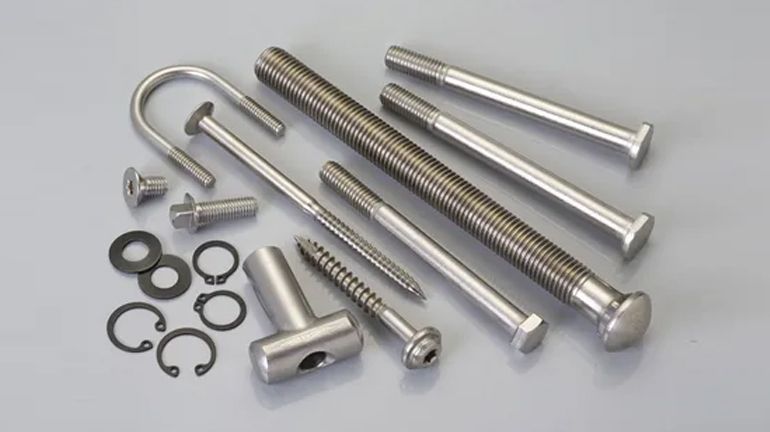
Hex bolts
Stud bolts
Screws
Nuts
Washers
Threaded rods
These fasteners are typically produced in accordance with ASTM B574 (rods and bars) and related specifications for nickel alloys.
Industrial Applications
Due to its corrosion resistance and strength, Hastelloy C276 fasteners are widely used in:
Chemical Processing Industry
Reactors
Heat exchangers
Scrubbers
Pressure vessels
Oil & Gas Sector
Offshore platforms
Sour gas environments
Subsea equipment
Pollution Control & Waste Treatment
Flue gas desulfurization systems
Waste incineration units
Pulp & Paper Industry
Chlorine handling equipment
Bleaching systems
Advantages Over Conventional Stainless Steel Fasteners
Compared to common stainless steels such as 304 or 316, Hastelloy C276 fasteners provide:
Superior resistance to chloride stress corrosion cracking
Better performance in mixed acid environments
Higher reliability in severe chemical exposure
Longer service life in aggressive industrial conditions
Conclusion
Hastelloy C276 fasteners are a premium solution for industries operating in extreme chemical and high-temperature environments. With outstanding resistance to corrosion, excellent mechanical strength, and proven performance in aggressive media, they offer long-term durability where failure is not an option.
Appreciate the creator