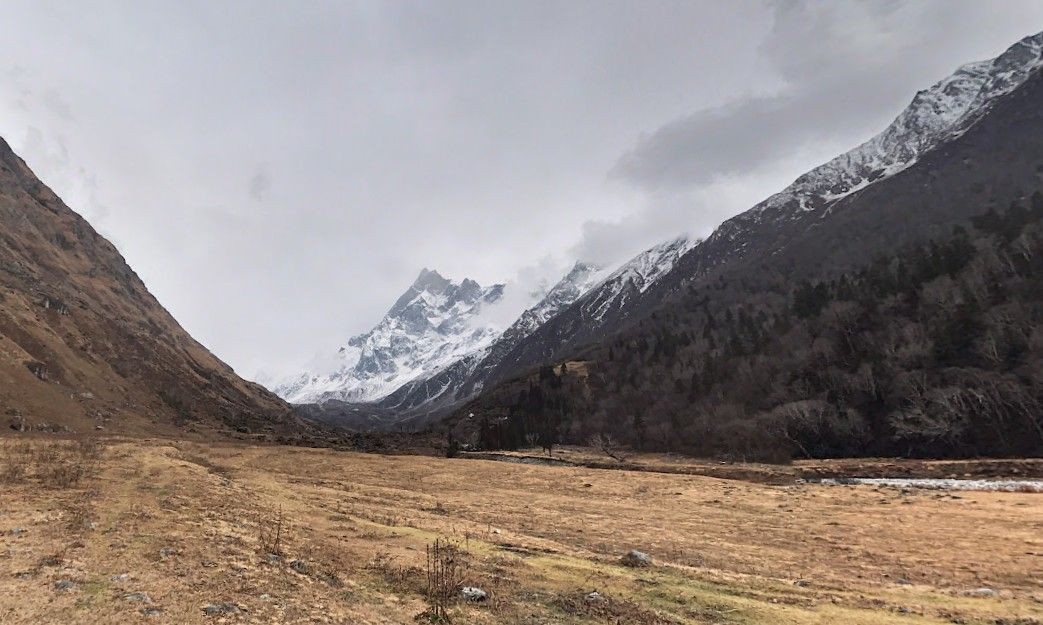
Har Ki Dun Trek Best Time: A Guide to Choosing the Right Season
The Har Ki Dun trek is one of the most beautiful treks in the Indian Himalayas. Located in the Garhwal region of Uttarakhand, this trek takes you through lush green valleys, quiet villages, pine forests, and snow-capped mountains. It offers a peaceful and scenic experience for nature lovers, trekkers, and even beginners who want to explore the outdoors.
But before you plan your trek to Har Ki Dun, it is important to understand when is the best time to visit. The weather, trail conditions, and natural beauty of the region vary from season to season. In this article, we will look at all the different times of the year to help you decide the best time to go for the Har Ki Dun trek.
Overview of Har Ki Dun Trek
Har Ki Dun means “Valley of Gods.” It lies at an altitude of around 11,700 feet and is part of the Govind Ballabh Pant National Park. The trail begins from a small village called Sankri and goes through villages like Taluka, Osla, and Seema before reaching Har Ki Dun. The trek is known for its rich forests, alpine meadows, rivers, and panoramic mountain views.
The entire trek takes around 6 to 8 days to complete, depending on the route and pace. It is considered a moderate-level trek and can be done by beginners with basic fitness. However, choosing the right time to go can make a big difference in your overall experience.
If you're looking for a trek that combines natural beauty, cultural charm, and a touch of adventure, Har Ki Dun Trek is a perfect choice for your next mountain escape
Spring Season (March to April)
Spring is one of the best seasons to do the Har Ki Dun trek. During this time, the snow starts melting, and the trail begins to open up after the winter months. The temperatures are cool during the day and slightly cold at night.
The main attraction of this season is the fresh greenery and blooming flowers. The rhododendron flowers bloom in different colors and cover the hills, making the trail look beautiful and colorful. The rivers are full of fresh snowmelt water, and the views of the mountains are very clear.
Snow is still present in many parts of the trail in early spring, especially at higher altitudes, which adds to the beauty of the landscape. However, the snow is not too deep, so the trek is still doable for most people.
This is also a quieter season compared to summer, so the trails are not too crowded. If you want a peaceful experience with scenic beauty and mild snow, spring is a great time to visit Har Ki Dun.
Summer Season (May to June)
Summer is also a good time to trek to Har Ki Dun. During this time, the weather is pleasant, with daytime temperatures ranging from 15 to 20 degrees Celsius and cooler nights.
By early May, most of the snow has melted, making the trail easier to walk. The forests are full of greenery, and the meadows are bright with wildflowers. The streams and rivers are flowing strongly, and the skies are mostly clear, giving great views of the Swargarohini and other Himalayan peaks.
This is also the season when local villagers are active in their fields and homes. You can see the traditional lifestyle of the mountain people, which adds a cultural touch to your trek.
However, this is also the peak season for trekking, so you may find more groups on the trail. If you do not mind a bit of crowd and prefer comfortable weather with full access to the trail, summer is a great time to go.
Monsoon Season (July to Mid-September)
Monsoon is generally not considered a good time to trek to Har Ki Dun. The region receives moderate to heavy rainfall during this time. The trails become slippery, muddy, and sometimes dangerous due to landslides and water crossings.
Cloud cover is also common, which blocks the view of the mountains. The rain can also cause delays and make camping difficult.
On the other hand, the valley becomes very lush and green during this season. If you are an experienced trekker and do not mind the rain, you may enjoy the raw beauty of the monsoon season. However, for most people, this is not the recommended time to visit Har Ki Dun.
Autumn Season (Mid-September to November)
Autumn is another great time to go on the Har Ki Dun trek. The weather becomes cool and dry after the monsoon. The skies are clear, and the visibility is excellent. This is the best season for photographers and those who want sharp, unobstructed views of the mountains.
The trails are dry and easy to walk, and the forests change color, giving the trek a golden and brown touch. The days are pleasant, but the nights can get quite cold, especially in late October and November.
This season is less crowded than summer, so you can enjoy the peace of the mountains without too much disturbance. It is also safe, with minimal chances of rainfall or weather issues.
If you want to experience the best of both nature and weather, autumn is definitely one of the best times for the Har Ki Dun trek.
Winter Season (December to February)
Winter is a special time in Har Ki Dun, but it is also the most difficult time to do the trek. The valley receives heavy snowfall, and temperatures drop well below freezing, especially at night.
The trail becomes completely covered in snow, and it can be hard to find the path. Many parts of the trail become inaccessible, and camping becomes challenging due to extreme cold.
However, the landscape during winter is breathtaking. The snow-covered forests, frozen streams, and white mountains make it look like a wonderland. If you are an experienced trekker, well-equipped for snow trekking, and want a unique and adventurous experience, winter may be for you.
But beginners should avoid this season unless they are going with a professional guide and proper gear.
Final Thoughts
To sum up, the best time for the Har Ki Dun trek depends on what kind of experience you are looking for:
Spring (March to April): For flowers, snow patches, and peaceful trails.
Summer (May to June): For full access, greenery, and comfortable weather.
Monsoon (July to Mid-September): Not recommended due to rain and safety risks.
Autumn (Mid-September to November): For clear skies, dry trails, and amazing mountain views.
Winter (December to February): For snow lovers and experienced trekkers seeking adventure.
Each season has its own charm, but for most trekkers, spring and autumn are considered the best times. These months offer good weather, clear views, and a balanced trekking experience.
Before you plan your trek, always check the latest weather reports, trail conditions, and travel advisories. Going with a trusted trekking group or guide is also helpful, especially if it’s your first time.
With the right planning and timing, Har Ki Dun can be one of the most rewarding and memorable treks you’ll ever do.
Appreciate the creator