Greener Farms Through Smart Agriculture and Farm Traceability Software
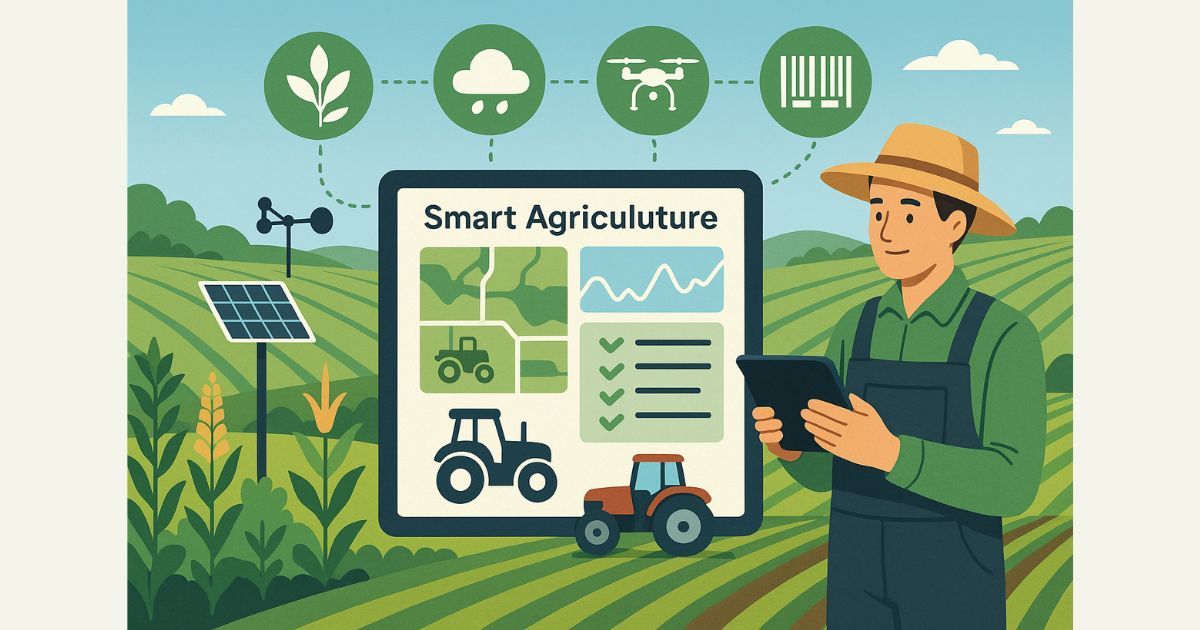
With a growing global population, the need for food is increasing, putting immense pressure on farmers to enhance production while using fewer resources than ever before. This is where modern innovations like a Smart Agriculture System step in, reshaping traditional farming practices. These technologies not only boost efficiency but also foster sustainability, reduce waste, and help farmers make better decisions backed by data. In the path to more sustainable farming, digital technologies are essential for enhancing the overall agricultural process.
The Environmental Need for Greener Farming
Agriculture, while essential, has long been associated with environmental challenges. Overuse of chemical fertilizers, improper irrigation, and inefficient land use contribute significantly to soil degradation, water pollution, and greenhouse gas emissions. Greener farming emphasizes eco-friendly practices—reducing chemical inputs, conserving water, and enhancing biodiversity.
Modern technology has provided tools that can directly address these challenges. By integrating sustainable practices with data-driven tools, farmers can ensure their crops thrive without compromising the health of the planet.
Role of Technology in Sustainable Agriculture
Sustainable agriculture isn’t just about going organic—it’s about making smarter decisions that balance productivity and environmental care. Technologies that track soil moisture, monitor weather patterns, and detect crop health in real-time give farmers a proactive edge. These tools reduce reliance on guesswork and enable precise application of water, fertilizers, and pesticides.
Remote sensing through drones or satellites, GPS-enabled farm machinery, and IoT-based soil sensors are increasingly common. They help farmers plan their work more efficiently and avoid overuse of inputs, which leads to healthier crops and better yields with fewer resources.
Data-Driven Decision Making
One of the most transformative aspects of modern agriculture is access to real-time data. Farmers can now access dashboards showing the status of their fields, equipment, and even market prices. This data helps in optimizing planting schedules, managing risks, and making informed choices about harvesting or storage.
For instance, predictive analytics can alert farmers about upcoming weather events or pest outbreaks. This foresight allows for timely action, which not only saves crops but also reduces the need for emergency pesticide applications, which can be harmful to the environment.
Precision Farming: Doing More with Less
Precision farming is a core component of smart, sustainable agriculture. It involves tailoring farming practices to specific areas of a field, based on variations in soil, crop growth, and moisture. Rather than treating the whole farm uniformly, farmers can now manage zones within a single field differently.
The result is lower costs, better crop health, and reduced environmental impact. For example, a farmer might find that only one section of a field needs irrigation or fertilization, thereby conserving water and reducing chemical runoff.
Benefits of Digital Traceability in Farming
Today’s consumers are increasingly interested in where their food comes from. They want assurance that the food they eat is safe, sustainably grown, and ethically sourced. This is where Farm Traceability Software becomes invaluable.
Such systems track every step of the agricultural supply chain—from planting and harvesting to storage, transportation, and final sale. This transparency builds consumer trust and opens up premium markets for farmers who follow sustainable practices. Moreover, if a problem arises (like a contamination issue), traceability allows for rapid, targeted responses rather than broad product recalls.
Empowering Small and Medium Farmers
One misconception is that digital agriculture only benefits large-scale industrial farms. In reality, small and medium-sized farms can gain immensely from adopting smart tools. Cloud-based platforms and mobile apps bring advanced agricultural insights right into the hands of a farmer with just a smartphone.
Many solutions are now being designed with affordability and ease of use in mind, making them accessible to farmers in rural and low-income areas. These tools not only improve farm productivity but also enhance the livelihood of farmers through better market access and reduced input costs.
Climate Resilience through Smart Practices
Climate change has brought increased uncertainty to farming, with unpredictable rainfall, prolonged droughts, and new pest invasions. Smart farming tools help build resilience against these challenges. By monitoring weather patterns and soil conditions, farmers can adapt quickly to changing conditions.
Water-saving irrigation systems, solar-powered sensors, and crop rotation guided by software insights all contribute to long-term resilience. These measures help maintain yield stability even in tough environmental conditions.
Policy Support and Government Initiatives
Countries around the globe are acknowledging the significance of sustainable farming and are initiating programs to promote it. Subsidies for adopting smart technologies, funding for research in eco-friendly farming, and training programs for farmers are becoming more common.
Public-private partnerships are also encouraging the integration of digital tools into farming practices. By aligning agricultural policy with sustainability goals, governments can accelerate the transition to greener farms.
Challenges and the Road Ahead
While the benefits are clear, challenges remain. High initial costs, lack of technical know-how, and poor internet connectivity in rural areas can slow down adoption. As technology becomes increasingly affordable and reachable, these obstacles are slowly being surmounted.
Education and awareness are key. Farmers must be trained not just in using the tools, but in understanding how the data helps their specific context. Agricultural extension services, NGOs, and local governments have a vital role to play in this transition.
Conclusion
Building greener farms is not just a noble goal—it’s a necessary one for the future of our planet. By combining sustainable practices with cutting-edge technology like the Smart Agriculture System and Farm Traceability Software, farmers can significantly reduce their environmental footprint while boosting productivity and profitability. As we look ahead, the path to sustainable food security lies in smart, connected, and environmentally conscious farming.
Appreciate the creator