Global Biolubricants Market Analysis: Strategic Overview and 2028 Forecast
The global industrial landscape is undergoing a structural transition toward sustainable chemical solutions, driven by a combination of stringent environmental mandates and a corporate pivot toward ESG (Environmental, Social, and Governance) goals. Central to this evolution is the Biolubricants Market, a sector defined by the production of lubricants derived from renewable biological feedstocks such as vegetable oils, animal fats, and other biodegradable sources. As of 2026, biolubricants have matured from niche "green" alternatives into high-performance industrial standards, essential for applications where fluid leakage or accidental discharge could cause irreparable ecological damage.
The market’s financial trajectory reflects its growing integration into global supply chains and heavy machinery maintenance. The biolubricants market is expected to grow from US$ 1,551.15 million in 2022 to US$ 1,902.41 million by 2028; it is estimated to record a CAGR of 3.5% from 2022 to 2028. This steady growth is underpinned by technological breakthroughs that have closed the performance gap between bio-based and conventional petroleum-based lubricants, particularly regarding oxidative stability, flash points, and temperature range versatility.
Comprehensive Market Analysis and Overview
The biolubricants market analysis is characterized by a shift in material science, moving away from simple vegetable oils toward Synthetic Esters and specialized bio-based formulations that meet the rigorous demands of modern hydraulics and automotive engines.
1. Product Segmentation and Feedstock Evolution
The market is broadly categorized by its base oil source and end-use application. While vegetable oils (such as soybean, rapeseed, and sunflower oil) remain the primary feedstock due to their abundance and natural lubricity, there is a significant move toward animal fats and synthetic bio-esters. These alternative feedstocks offer enhanced thermal stability, which is critical for high-pressure hydraulic systems and metalworking fluids.
2. Primary End-User Applications
Industrial Hydraulics: This remains the largest application segment. Biolubricants are preferred in "total loss" environments—such as forestry, mining, and agriculture—where the lubricant is inevitably released into the soil or water.
Automotive: The demand for bio-based engine oils and transmission fluids is rising as OEMs seek to reduce the carbon footprint of their vehicle lifecycles.
Maritime: With strict international regulations like the Vessel General Permit (VGP), the shipping industry is a major consumer of Environmentally Acceptable Lubricants (EALs) for oil-to-sea interfaces.
3. Sustainability and Circular Bioeconomy
The overview of the market is incomplete without acknowledging the role of the Circular Bioeconomy. Biolubricants offer a lower carbon footprint compared to mineral oils, from "cradle to grave." Their high biodegradability (often exceeding 90% within 28 days) reduces the potential costs and legal liabilities associated with environmental remediation after accidental spills, making them a financially sound choice for risk-averse industrial operators.
Equip your business with data-driven strategies and regional benchmarks. Download the Sample PDF Report here: https://www.theinsightpartners.com/sample/TIPAT00002193
Strategic Growth Dynamics and Industry Trends
The journey toward 2028 is being shaped by several high-impact trends that are redefining the value proposition of bio-based fluids:
Technological Parity: Modern biolubricants are no longer "inferior" to petroleum products. Advanced additives have improved their resistance to oxidation and hydrolysis, allowing for longer drain intervals and better equipment protection.
Regulatory Compliance: Tightening legislation in North America and Europe regarding "green" procurement and chemical safety is forcing a shift away from toxic mineral-based greases in public infrastructure projects.
Agricultural Synergy: The localized production of bio-feedstocks in regions like North America and the Asia-Pacific is creating a shortened, more resilient supply chain that insulates manufacturers from the volatility of global crude oil prices.
Top Key Players in the Global Industry
The competitive arena features a mix of traditional petrochemical conglomerates and specialized bio-chemical innovators. These leaders are setting the standard for the 2028 horizon through aggressive R&D and strategic partnerships:
Royal Dutch Shell plc
Exxon Mobil Corporation
TotalEnergies SE
Fuchs Petrolub SE
Panolin AG
Castrol (BP p.l.c.)
Emery Oleochemicals
Klüber Lubrication (Freudenberg Group)
Rowe Mineralölwerk GmbH
Environmental Lubricants Manufacturing, Inc. (ELM)
Forecast and Regional Outlook 2028
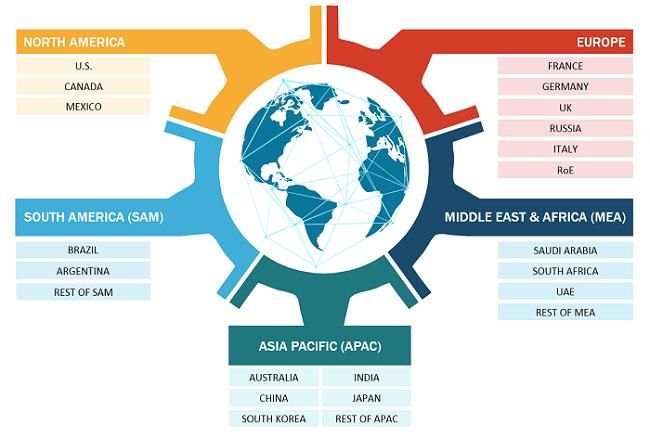
By 2028, the market is expected to achieve a high degree of maturity in Europe, which currently leads in both production and consumption due to early regulatory adoption. However, North America and the Asia-Pacific are projected to be the primary growth engines. In the Asia-Pacific, rapid industrialization in China and India, combined with a growing awareness of environmental protection, is driving the demand for biodegradable hydraulic fluids and metalworking lubricants.
The ultimate forecast points toward the integration of Industry 4.0 and digital monitoring with biolubricant use. This will allow for real-time tracking of fluid degradation, ensuring that these eco-friendly fluids are used to their maximum efficiency, further reducing waste and aligning with global zero-waste-to-landfill targets.
About Us
The Insight Partners is a one-stop industry research provider of actionable intelligence. We help our clients find effective solutions to their research requirements through our syndicated and consulting research services. Our expertise spans industries including Chemicals and Materials, Manufacturing, and Energy, delivering the data-driven insights needed for strategic decision-making in 2026 and beyond.
Contact Us
If you have any queries regarding the market overview or require customized regional data for your 2028 strategy, please contact us:
The Insight Partners Email: sales@theinsightpartners.com
Phone: +1-646-491-9876
Website: www.theinsightpartners.com
Appreciate the creator