Gi vs No Gi BJJ – Navigating Your Path in Brazilian Jiu-Jitsu
Introduction to BJJ Styles
What Is Brazilian Jiu-Jitsu (BJJ)?
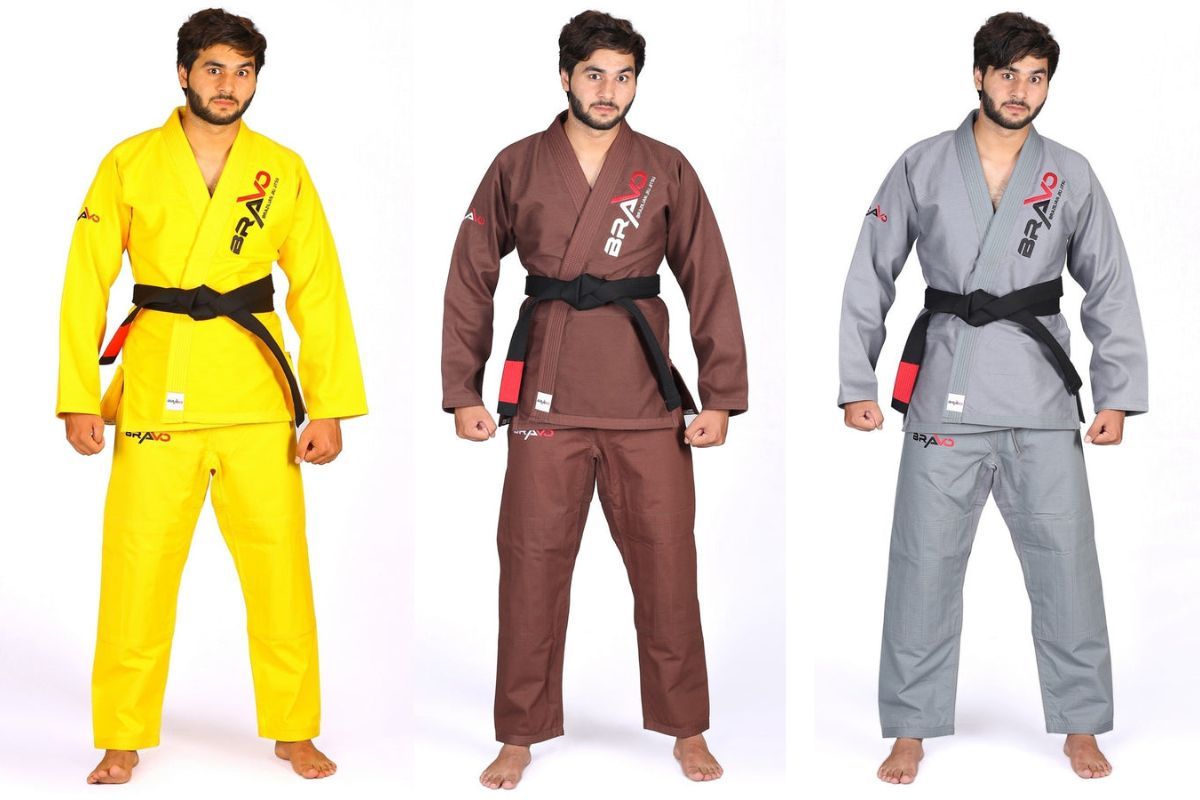
Brazilian Jiu-Jitsu (BJJ) is a grappling-based martial art focused on ground fighting, submissions, and positional control. Bravo is offering Brown bjj gi. Originating from Japanese jujutsu and judo, BJJ evolved in Brazil during the early 20th century and emphasizes technique over strength, making it ideal for practitioners of all sizes and skill levels.
Understanding the Two Main Styles: Gi and No Gi
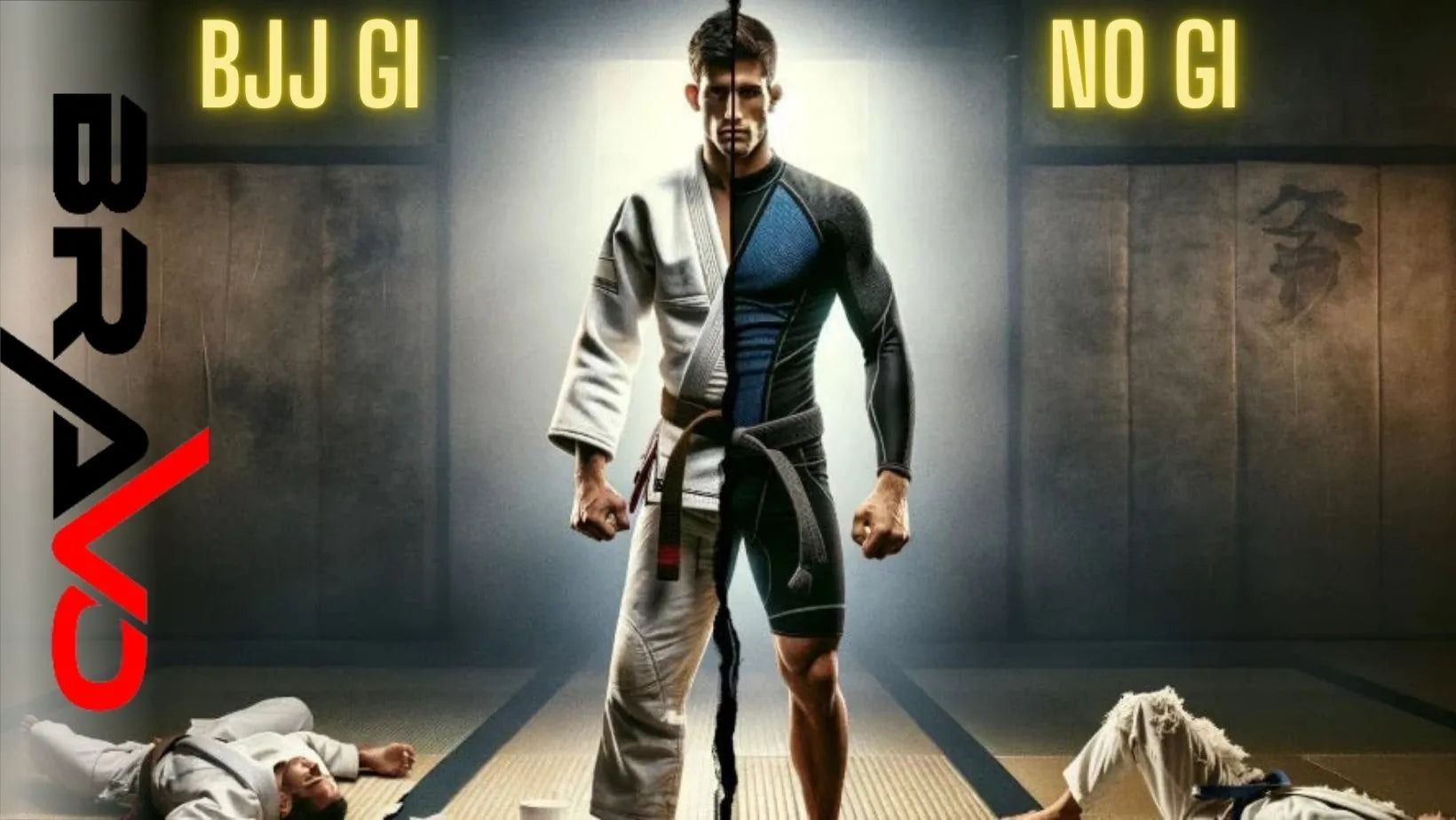
Within BJJ, training and competition are divided into two primary formats: Gi and No Gi. Each style has distinct rules, techniques, and strategic nuances. Gi BJJ uses a traditional kimono, while No Gi training typically involves rash guards and grappling shorts. Choosing between them depends on your goals, preferences, and long-term interests in the sport.
What Is Gi BJJ?
Overview and Origin
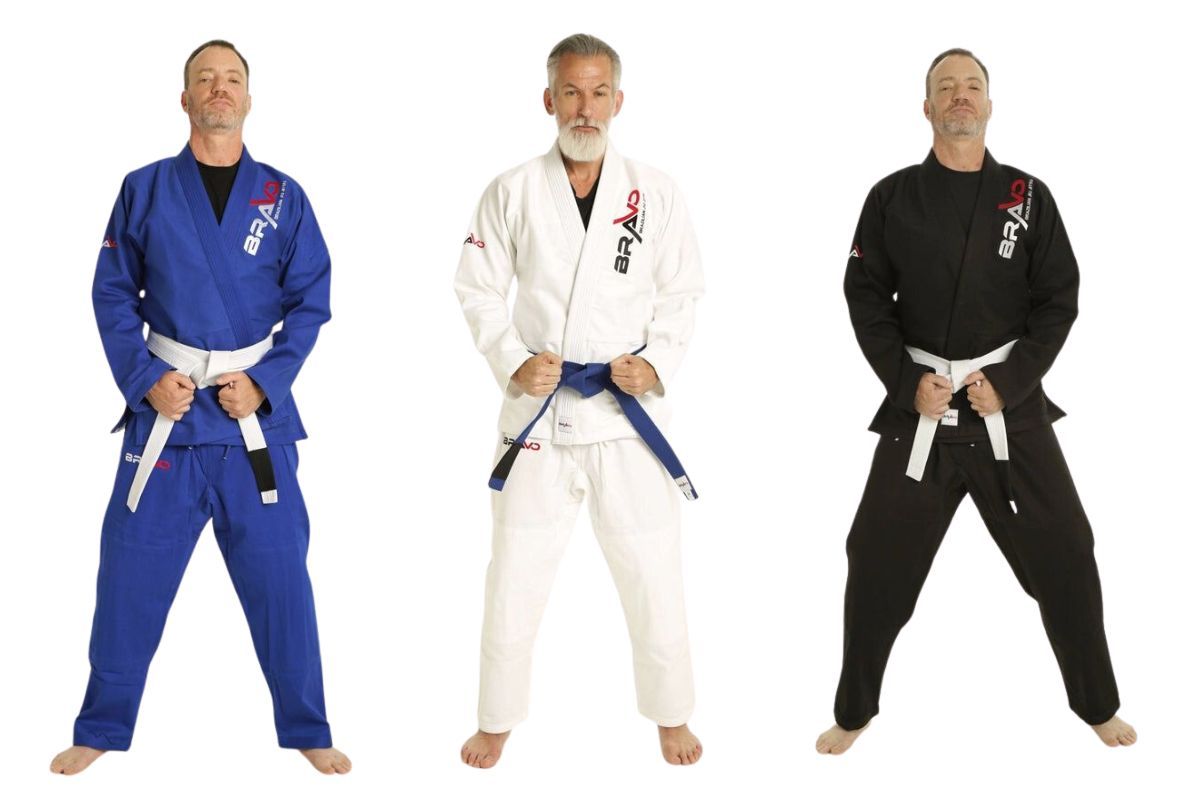
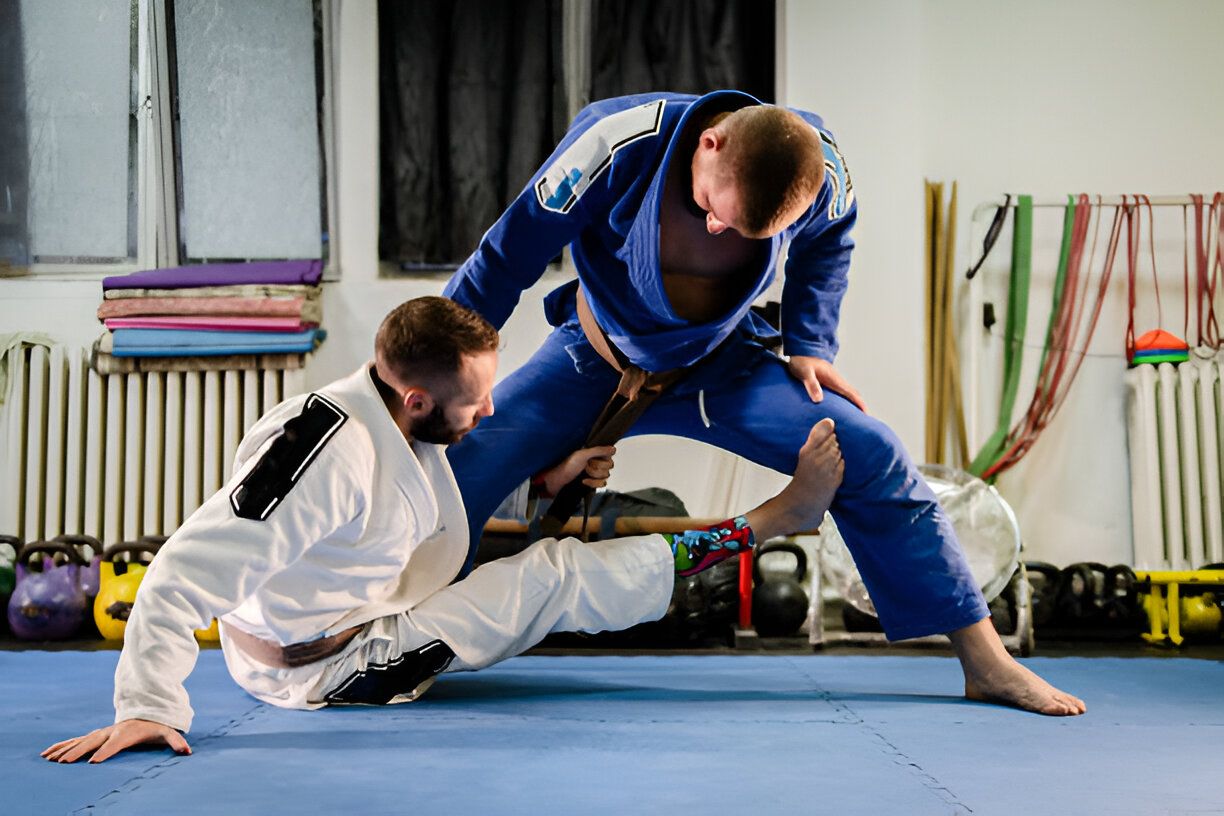
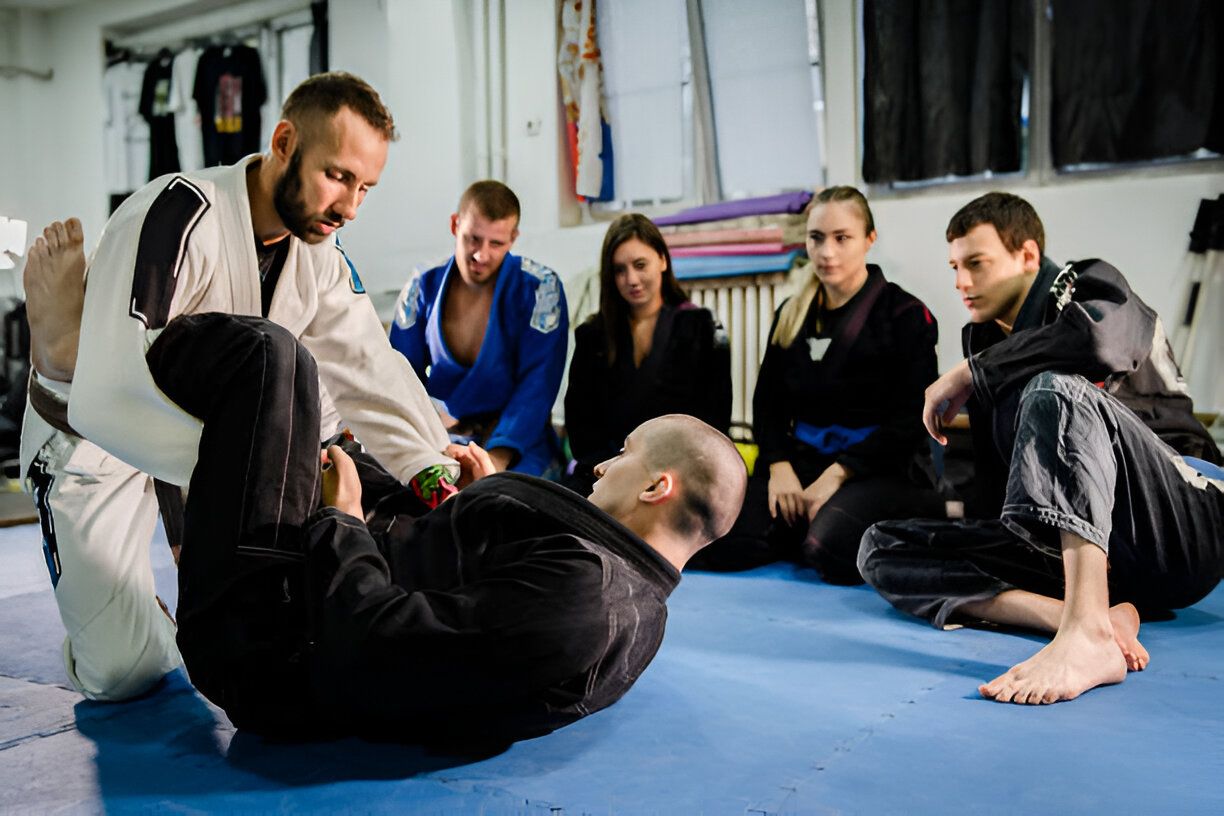
Gi BJJ retains the traditional roots of Judo and Japanese Jiu-Jitsu. Practitioners wear a thick cotton jacket, pants, and a belt indicating their rank. The presence of the Gi changes how techniques are applied, especially when it comes to grips and control.
Gi Uniform Components and Features
A Gi typically consists of:
Jacket (Kimono): Reinforced cotton with thick lapels.
Pants: Lightweight, durable cotton or ripstop material.
Belt: Indicates rank and helps secure the jacket.
The Gi offers numerous grip options, allowing more diverse techniques, but also requires knowledge of how to avoid being controlled by your opponent.
Techniques and Grips Unique to Gi Training
Gi BJJ introduces various grips that are absent in No Gi:
Sleeve grips
Collar chokes (e.g., cross collar choke)
Belt and pant grips These enable a more methodical, control-oriented style, and open up a wide array of submissions.
Common Gi-Based Submissions and Strategies
Popular Gi submissions include:
Bow and Arrow Choke
Ezekiel Choke
Cross Collar Choke
Loop Choke
Strategies often involve breaking posture using grips, setting up sweeps, and controlling pace through friction.
What Is No Gi BJJ?
Overview and Evolution
No Gi BJJ has gained immense popularity due to its crossover with MMA and its faster pace. The uniform consists of athletic wear such as rash guards, spats, and board shorts. Without the Gi, athletes rely more on underhooks, overhooks, and body positioning rather than grips on clothing. Bravo is offering Buy Jiu Jitsu Gear.
Typical No Gi Attire and Gear
Rash guard: Prevents mat burn and infection
Spats or shorts: Allow mobility and compression
No belt: Rank is often identified by experience or affiliation
No Gi training tends to be sweatier, faster-paced, and more scramble-based than Gi training.
Techniques and Grip Differences in No Gi
Without Gi grips, practitioners rely on:
Wrist control
Neck ties (e.g., collar tie)
Underhooks and overhooks
Control of hips and ankles
This results in a more explosive and athletic style, with fewer stalling opportunities.
Popular No Gi Submissions and Rolling Styles
Common submissions include:
Guillotine choke
Rear naked choke
Heel hook
Arm triangle
No Gi rolls often involve high tempo, frequent transitions, and fast reactions to escapes and submissions.
Key Differences Between Gi and No Gi
Grip Dynamics and Control
Gi: Emphasizes grip fighting, lapel wraps, and friction.
No Gi: Requires body control, speed, and fluid transitions.
Grip dynamics significantly affect your strategic approach to both offense and defense.
Speed, Movement, and Transitions
Gi: Slower and more methodical.
No Gi: Faster with more scrambles.
This difference often influences which style appeals to certain athletes based on personality or physical ability.
Rulesets and Competition Structures
Gi Competitions: Run by IBJJF and other federations; strict uniform rules.
No Gi Competitions: Include ADCC, EBI, and NAGA with different rules and leg lock allowances.
Understanding these structures helps you prepare and choose events that suit your skills.
Clothing and Training Environment
Gi: Heavier, more absorbent; ideal in cooler environments.
No Gi: Lightweight, ideal for warmer climates and quicker sessions.
Your training context may affect your preference.
Advantages of Training in Gi
Technical Depth and Patience
The Gi adds layers of complexity that deepen your understanding of leverage, grips, and positional strategy. It promotes patience and technique over athleticism.
Better Defensive Skills and Control
Because of the friction and control options, Gi training enhances your ability to:
Escape tight positions
Maintain control
Use minimal movement to achieve maximum results
Transferability to No Gi and MMA
Many concepts from Gi translate well into No Gi, including:
Positional hierarchy
Pressure passing
Submission setups
However, grip reliance must be adjusted when transitioning.
Advantages of Training in No Gi
Faster-Paced Learning and Reactions
Without Gi grips, timing and speed become critical. This forces practitioners to:
React quickly
Transition smoothly
Develop real-time problem-solving
Closer Alignment with MMA and Self-Defense
Since street altercations rarely involve thick clothing, No Gi techniques often apply more directly to:
Real-life self-defense
Mixed martial arts (MMA)
This makes No Gi a practical choice for those with such interests.
Physical Conditioning and Endurance
No Gi training tends to be more taxing on:
Cardio
Muscle endurance
Core strength
This can accelerate your fitness improvements.
Which One Should You Start With?
Factors to Consider – Goals, Gym Culture, and Interests
Consider your personal goals:
Want to compete? Check which format your gym supports more.
Interested in MMA? No Gi may align better.
Prefer traditional martial arts? Start with Gi.
Your gym's focus and instructor expertise are important.
Pros and Cons Based on Skill Level
Beginners may find Gi training easier to learn technique due to the slower pace.
Intermediate to advanced athletes benefit from switching between both to become more complete grapplers.
Transitioning Between Gi and No Gi
It’s not unusual to start in one and move to the other. Many BJJ champions, such as Gordon Ryan and Marcelo Garcia, train in both to diversify their skill set.
Gi vs No Gi for Competition
Major Gi and No Gi Tournaments and Organizations
Gi:
IBJJF Worlds
Pan American Championship
UAEJJF events
No Gi:
ADCC
EBI (Eddie Bravo Invitational)
Polaris
Each has unique rulesets, so it’s vital to tailor your training accordingly.
Differences in Rules and Scoring
IBJJF Gi: Penalizes certain grips and positions; strict time and points.
ADCC (No Gi): Allows heel hooks; half-time scoring model.
Understanding scoring can significantly improve your performance and strategy.
Preparing Strategically for Each Format
Gi: Emphasize grip strength, lapel setups, and pressure passing.
No Gi: Focus on speed, leg entanglements, and wrist control.
Your prep should align with the technical and physical demands of each format.
Gi and No Gi in Self-Defense Context
Real-Life Applicability of Gi Techniques
Gi techniques work well if an opponent is wearing clothing, allowing for:
Collar chokes
Sleeve control
Jacket manipulation
However, they may be less applicable in warm climates or summer settings.
No Gi Efficiency in Everyday Scenarios
No Gi's reliance on body control makes it ideal for real-world altercations:
No need for clothing-based grips
Fast escapes and clinch control
Directly applicable in MMA and police/military training
For practical defense skills, No Gi often proves more adaptable.
Blending Both for Optimal Progress
How Gi Training Improves No Gi and Vice Versa
Training in both builds:
Well-rounded skill set
Adaptability in competition
Stronger understanding of grappling principles
Many elite BJJ athletes advocate cross-training.
Building a Versatile Game
Gi gives you control and technical finesse, while No Gi enhances your speed and athletic ability. Together, they create a balanced, formidable grappler.
Conclusion – Choosing Your BJJ Path
Whether you choose Gi, No Gi, or both, the most important thing is to stay consistent. Each path offers unique benefits:
Gi: Depth, control, tradition
No Gi: Speed, practicality, modern appeal
Your journey in BJJ is personal. Try both styles, explore their intricacies, and find what resonates with your goals and personality. Ultimately, the best BJJ path is the one that keeps you passionate and progressing on the mats.
Appreciate the creator