From Patient Complaints to Legal Notices: How Medicolegal Consultants Provide Critical Support
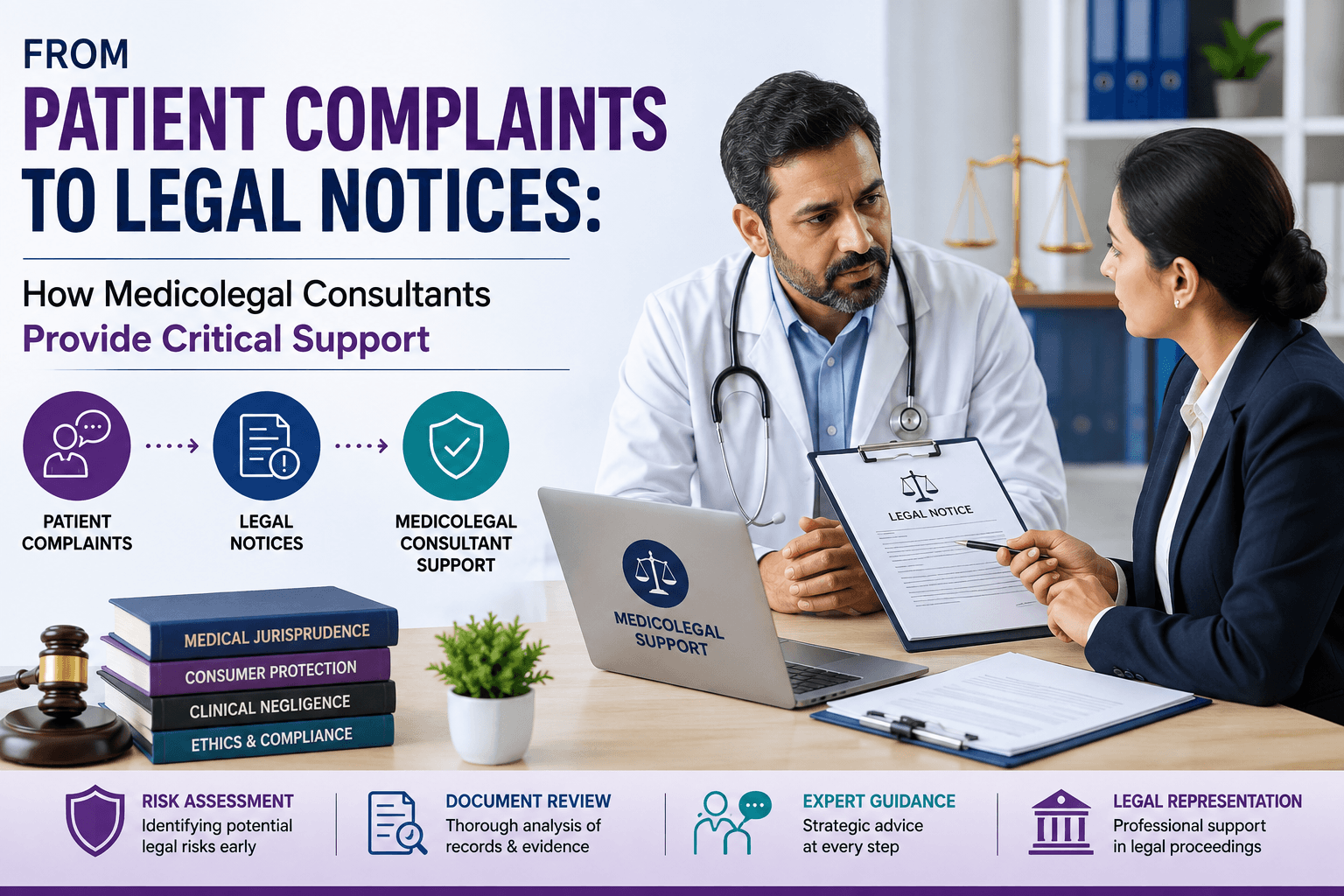
A clinic owner gets a call from an upset patient on a Friday evening. By Monday, that same complaint has turned into a formal letter asking for records and an explanation. The doctor hasn't done anything different — the treatment was reasonable — but suddenly there are deadlines, documentation requests, and questions about how to respond without making things worse. This is usually the point where someone starts looking for the best medico legal consultant in Delhi (https://drvimalkantgoyal.com/best-medicolegal-consultant-in-delhi.php), often for the first time in their career.
Start With the Real Problem
Most doctors are trained to handle clinical emergencies, not legal ones. When a complaint escalates into a formal notice, the instinct is either to over-explain everything at once or to go silent out of caution, and both responses can create new problems. A medico legal consultant in Delhi exists precisely for this narrow but important gap between good clinical practice and an unfamiliar legal process.
What Actually Changes Between a Complaint and a Notice
A verbal complaint is often emotional and immediate — a patient upset about pain, cost, or a result they didn't expect. A legal notice is different. It usually asks for specific records, timelines, and a written response, and how that response is framed can shape the entire direction of the matter that follows.
Why Doctors Struggle to Respond Well on Their Own
Doctors know their clinical reasoning inside out, but they rarely know how that reasoning should be presented in a formal reply. Important details get left out, defensive language creeps in, or a response ends up sounding evasive simply because it wasn't structured with the right context. None of this reflects bad care — it reflects unfamiliarity with the process.
What a Medicolegal Consultant Actually Does at Each Stage
Their role isn't limited to courtroom situations. Most of the real work happens earlier, when a complaint is still manageable.
Reviewing Records Before Anyone Else Sees Them
One of the first things a consultant does is go through the patient's file — consultation notes, consent forms, investigation reports, treatment records — to understand what the documentation actually shows, not just what the doctor remembers. This review often reveals gaps early, while there's still time to address them honestly rather than discovering them under pressure later.
Helping Structure an Accurate, Measured Response
A good response to a complaint or notice explains what was assessed, decided, and communicated, in a clear sequence, without over-promising or admitting things that aren't supported by the record. This is where an experienced medico legal expert in Delhi (https://drvimalkantgoyal.com/best-medicolegal-consultant-in-delhi.php) becomes genuinely useful — not to hide anything, but to present the actual clinical picture accurately.
Common Situations Where This Support Becomes Necessary
Certain patterns show up again and again in doctor-patient disputes, more often than dramatic negligence claims.
Complaints Rooted in Communication, Not Treatment
Many complaints start because a patient feels something wasn't explained properly — a risk, a cost, a delay, an alternative option. Even when the treatment itself was appropriate, unclear communication can make the patient feel blindsided, and that feeling is often what drives the complaint forward.
Disputes Involving Multiple Doctors or Departments
When a patient has been seen by more than one doctor, or has moved between departments, records can become fragmented. Missing follow-up documentation or an undocumented phone conversation between visits can make it harder to demonstrate that appropriate care was provided at each stage.
How Early Involvement Changes the Outcome
Doctors often wait until things feel serious before reaching out for help, but early involvement tends to produce a very different result.
Catching Documentation Gaps While They're Still Fixable
If a consultant reviews a case while a complaint is still informal, gaps like a missing consent detail or an unclear prescription entry can sometimes still be clarified through proper notes or supplementary documentation, depending on the circumstances. Waiting until a formal notice arrives removes much of that flexibility.
Reducing Miscommunication With the Patient
A measured, well-prepared response can reduce avoidable escalation. Patients are often more willing to accept an honest, clearly explained account of their care than a defensive or overly brief one, and a medico legal consultant in Delhi (https://drvimalkantgoyal.com/best-medicolegal-consultant-in-delhi.php) can help shape that tone appropriately.
Building an Ongoing Relationship Instead of a One-Time Call
The most effective use of medicolegal support isn't a single emergency consultation — it's an ongoing relationship built before problems arise.
Regular Documentation and Compliance Reviews
Clinics that involve a consultant periodically, not just during a crisis, tend to catch documentation habits and compliance gaps early — an outdated consent template, inconsistent discharge notes, or unclear referral records. These reviews support both patient safety and long-term risk management.
Training Staff to Reduce Recurring Issues
A consultant can also help train doctors and administrative staff on what to document during consultations, procedures, and follow-ups, so fewer gaps appear in the first place. This shifts the relationship from reactive damage control to genuine risk reduction.
What Doctors Should Do Before They're Facing a Legal Notice
Prevention here isn't about avoiding every complaint — it's about being prepared if one comes.
A Practical Starting Point
Keep consultation, consent, and follow-up records clear and contemporaneous. Note down patient concerns and how they were addressed, even briefly. Review your documentation habits periodically rather than assuming they're fine. And build a working relationship with the before you actually need one, so the first conversation isn't happening under pressure.
When It's Time to Make the Call
If a complaint feels like it's moving beyond a simple misunderstanding — repeated calls, a written request for records, or language suggesting formal action — that's the right moment to involve a consultant, not after a notice has already arrived. Appropriate documentation can support a doctor's account of care, depending on the circumstances, but having the right guidance early often matters just as much as the records themselves.
Appreciate the creator